Geopolitical Flashpoint: US Air Strikes Target Iran’s Hormozgan Province

Tensions in the Middle East have surged following US air strikes targeting Iran's Hormozgan province. This military escalation introduces significant geopolitical risk, forcing market participants to brace for potential volatility in both traditional and digital asset markets.
Speculative data points to a 31.5% probability of a full airspace closure by July 31, signaling a potential escalation of hostilities. With further projections suggesting a 10.5% chance of regime change by the end of 2026, the intersection of geopolitical instability and global finance remains a critical area for high-stakes monitoring.
Geopolitical tensions have escalated as US air strikes hit Iran's Hormozgan province, marking a significant increase in regional instability. The strike comes at a time of heightened military readiness and diplomatic friction.
According to recent briefings, there is a 31.5% probability of a full airspace closure by July 31. Additionally, more radical forecasts suggest a 10.5% chance of the Iranian regime falling by the end of 2026. Investors are closely watching these developments for impacts on global liquidity and market sentiment.
This is a summarized and adapted version by Artificial Intelligence. To read the complete original story, visit the official source.
Read Full Article at Crypto BriefingSupport Jornal Bitcoin
Independent journalism, curated by AI, no clickbait. Keep the flame alive with any amount of BTC.
jonata@walletofsatoshi.comDaily Crypto Brief 📬
Subscribe to receive the curation of the most important Bitcoin and crypto news, summarized by AI. No spam.
Join more than 10,000 smart readers.
Related News

Bitcoin Under Siege: Middle East Oil Crisis Threatens Crypto Stability
This volatility highlights the growing intersection between global energy security and digital assets. As the market processes the potential for a major supply shock, the impact on Bitcoin liquidity and investor sentiment remains the primary focus for traders watching the unfolding crisis in the Middle East.

Middle East Escalation: Iran Strikes Saudi Arabia as Geopolitical Tensions Surge
Adding to the complexity, whispers of a potential US-Iran deal in 2026 involving Iran Reconstruction Funding are circulating. The interplay between active military conflict and long-term diplomatic restructuring creates a high-stakes environment for macro traders and digital asset investors alike.

Middle East Escalation: Iran Strikes Saudi Arabia, Sending Oil Prices Surging and Bitcoin Tumbling
This volatility highlights the ongoing sensitivity of the crypto market to international conflicts. As the energy sector braces for supply disruptions, the sudden movement in Bitcoin underscores how macroeconomic shocks and Middle East instability continue to dictate short-term liquidity and investor sentiment in the digital asset space.
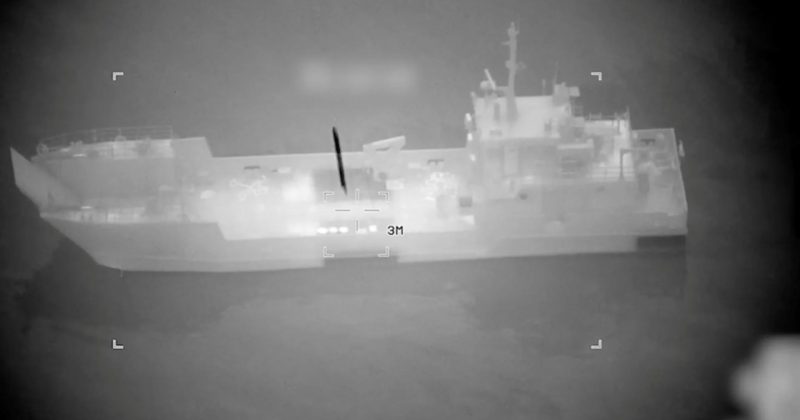
Strait of Hormuz Crisis: Iranian Ship Attacks Fuel US-Iran War Fears
While current forecasts suggest a slim 11.5% chance of traffic normalization by August 31, the immediate impact on global supply chains cannot be ignored. Investors should prepare for heightened volatility in crypto markets and traditional assets as the risk of a broader regional war intensifies.

Geopolitical Deadlock: Polymarket Holds 51.5% Odds for US-Iran Ceasefire
The ongoing cycle of attacks underscores the fragility of current diplomatic efforts and the high stakes involved for global stability. As the ceasefire ladder remains stagnant, the market is bracing for potential escalations that could trigger significant shifts in both traditional finance and the broader crypto ecosystem.

Geopolitical Alert: Iran Advises Hormozgan Residents to Avoid Travel Amid Attack Fears
Adding to the complexity, the IAEA is scheduled to conduct visits to nuclear sites by December 31, with current data showing a 27.5% engagement rate. The intersection of military threats in strategic corridors and nuclear oversight creates a high-stakes environment that could trigger significant shifts in global risk appetite and crypto market volatility.
