Ukraine Strikes Rosneft Refinery: Global Energy Markets and Investor Risk on High Alert
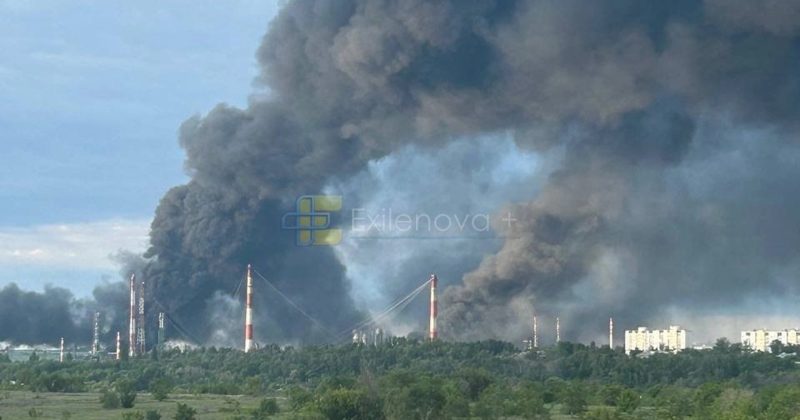
Ukraine has launched strategic strikes against Russian energy infrastructure, successfully hitting the Rosneft refinery in the Samara region and targeting tankers in the Sea of Azov. This escalation represents a direct assault on Russia's logistical capabilities, aiming to disrupt the flow of critical energy resources.
Beyond the immediate battlefield impact, these strikes are poised to disrupt global energy markets and heighten investor risk. As logistical challenges mount, the resulting volatility could trigger broader shifts in market sentiment, forcing a reassessment of risk management strategies across both traditional and digital asset classes.
This is a summarized and adapted version by Artificial Intelligence. To read the complete original story, visit the official source.
Read Full Article at Crypto BriefingSupport Jornal Bitcoin
Independent journalism, curated by AI, no clickbait. Keep the flame alive with any amount of BTC.
jonata@walletofsatoshi.comDaily Crypto Brief 📬
Subscribe to receive the curation of the most important Bitcoin and crypto news, summarized by AI. No spam.
Join more than 10,000 smart readers.
Related News

Global Chaos: Iran Closes Strait of Hormuz, Sending Maritime Traffic Plummeting
Disruptions to global oil supply chains are poised to create a massive ripple effect of volatility across financial assets and commodities. As geopolitical uncertainty heightens, investors are bracing for systemic risk, a move that could severely impact market liquidity and the broader global economy.

Retaliation Threat: IRGC Commander’s Son Vows Strikes in San Francisco and Gulf of Mexico
Such threats pose a direct risk to global shipping routes, potentially disrupting international trade and critical supply chains. As these tensions mount, the resulting market volatility may drive investors toward crypto assets as a hedge against the unpredictable shifts in the traditional economic landscape.

Geopolitical Alert: Israel Prepares Solo Military Strike Against Iran Amid 2026 Conflict Fears
As the specter of a 2026 conflict looms, the implications for global energy security and investor sentiment are profound. This shift toward unilateral military capability forces a re-evaluation of risk models, as the potential for sudden escalation could disrupt traditional market predictions and heighten geopolitical uncertainty.
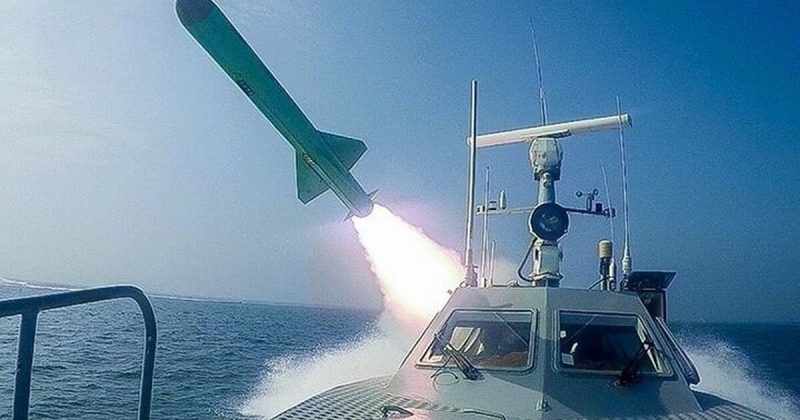
Missile Interception and the Growing Scrutiny of Iran's Crypto War Machine
Increased scrutiny on IRGC's crypto activities is expected to tighten global compliance standards, creating ripples across the broader crypto markets. This intersection of kinetic warfare and digital finance is set to heighten geopolitical tensions and reshape how decentralized finance is monitored in high-risk zones.
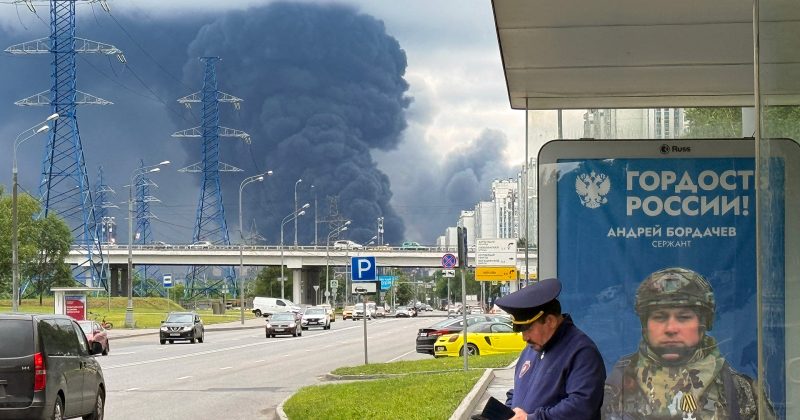
Massive Attrition: 230,000 Russian Soldiers Reported Dead by Day 1,600 of Conflict
Beyond the battlefield, this high casualty rate threatens to undermine Russia's military sustainability and could significantly shift market confidence regarding its strategic objectives. As geopolitical tensions persist, the economic implications of such prolonged attrition remain a primary concern for global stability and investor sentiment.
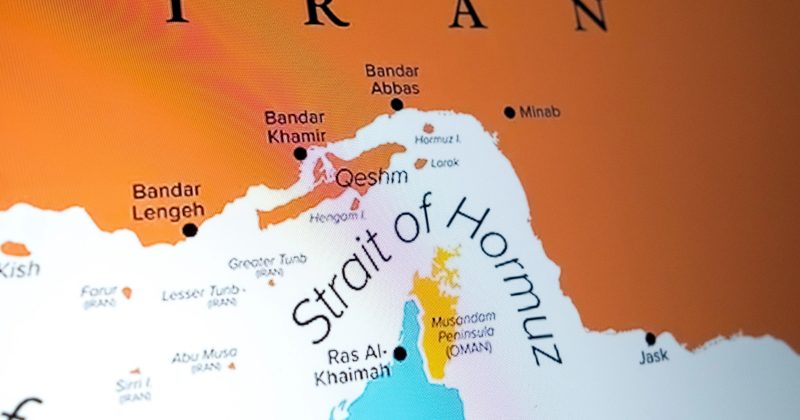
War Zone: US and Iran Exchange Fire in Strait of Hormuz as 2026 Conflict Escalates
The consequences of this military friction extend far beyond regional borders, severely undermining market stability and global economic predictability. As prospects for a diplomatic resolution vanish, the world faces heightened volatility and a potential energy crisis driven by regional instability.
