Russian Strike on Odesa Port: New Projections on Crimea Recapture
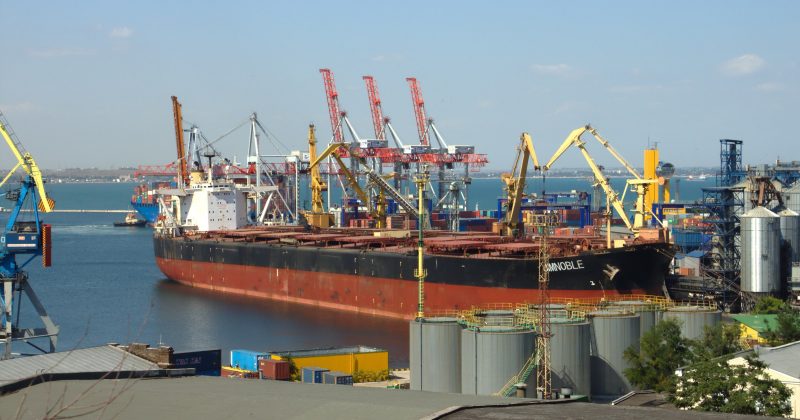
Russian forces have launched a fresh strike targeting Ukraine's strategic Odesa port, marking a significant escalation in the ongoing conflict. This direct hit on critical maritime infrastructure underscores the intensifying pressure on Ukrainian supply lines and regional stability.
Amidst the kinetic warfare, emerging data provides a controversial outlook on the long-term conflict, suggesting an 8.5% chance of Ukraine recapturing Crimea by December 31, 2026. As the strike on Odesa unfolds, the global community remains focused on these shifting military dynamics and their potential to reshape the geopolitical landscape.
The Russian army has launched a fresh strike on Ukraine's Odesa port, according to IFX reports. The attack targets a vital hub for the nation's maritime operations. In a related development, new projections suggest there is an 8.5% probability that Ukraine could recapture Crimea by December 31, 2026, highlighting the unpredictable nature of the current geopolitical struggle.
This is a summarized and adapted version by Artificial Intelligence. To read the complete original story, visit the official source.
Read Full Article at Crypto BriefingSupport Jornal Bitcoin
Independent journalism, curated by AI, no clickbait. Keep the flame alive with any amount of BTC.
jonata@walletofsatoshi.comDaily Crypto Brief 📬
Subscribe to receive the curation of the most important Bitcoin and crypto news, summarized by AI. No spam.
Join more than 10,000 smart readers.
Related News
Shock Diplomacy: Trump Eyes Direct Talks with World Leaders and Terror Groups
Looking ahead to 2026, the plan suggests a potential US-Iran deal that could involve significant funding for Iran's reconstruction. Such high-stakes maneuvers in Middle East diplomacy are expected to create massive ripples across global markets and influence investor sentiment in the crypto space.

AI Power Play: OpenAI to Brief Trump Administration and Congress on GPT-6 Models
This high-stakes briefing follows the highly restricted rollout of GPT-5.6, a move dictated by urgent national security concerns. As OpenAI navigates these political waters, the development of next-generation AI models will increasingly be viewed through the lens of geopolitical dominance and federal oversight.

Geopolitical Shock: Houthi Threats to Saudi Oil Exports Could Send WTI Soaring
While markets have been slow to react to these developments, long-term forecasts are already sounding the alarm. Projections suggest that WTI could hit $110 by July 2026, highlighting a significant supply-side risk that investors cannot afford to ignore as the situation evolves.

Tech Warfare: US Threatens Sanctions on Chinese AI Models Over IP Theft
The fallout from these potential sanctions extends far beyond traditional tech sectors, posing major implications for the crypto AI tokens market. As regulatory pressure mounts, the intersection of blockchain and artificial intelligence faces a period of intense volatility and structural realignment.

Bitcoin defies geopolitical chaos, surging toward seven-week high
This rally mirrors a resilient performance in US stock markets, indicating that investors are currently looking past potential trade wars and military escalations. By ignoring the noise of Trump's tariff plans and Middle East instability, Bitcoin is reinforcing its role as a dominant force in the current financial cycle.

Extreme Certainty: Polymarket Predicts 99.85% Chance Israel-Iran Ceasefire Holds
Despite this overwhelming confidence, new political headwinds are emerging on the horizon. Reports suggest the Netherlands is preparing to ban products from Israeli settlements starting September 22, a move that could introduce fresh diplomatic friction and potentially disrupt the stability currently being priced into the markets.
