Argentina’s VP Labels England ‘Usurping Pirates,’ But Crypto Markets Remain Unmoved

In a sharp escalation of geopolitical rhetoric, Argentina's Vice President has labeled England as 'usurping pirates' ahead of their World Cup clash, yet the crypto markets have shown zero reaction to the outburst. This intel brief highlights a growing decoupling between traditional political drama and the digital asset landscape, where market sentiment remains anchored in economic reality rather than nationalist fervor.
The lack of impact on crypto prices and trading volume underscores the specialized focus of blockchain investors. While the political discourse centers on historical tensions and sporting rivalries, the crypto market continues to prioritize liquidity, macroeconomic trends, and technological developments, effectively filtering out the noise of geopolitical posturing.
Argentina's Vice President's recent rhetoric, labeling England as 'usurping pirates' ahead of their World Cup matchup, highlights enduring geopolitical tensions within the region. However, crypto markets couldn't care less about the diplomatic friction. The incident serves as a clear example of how the digital asset sector remains insulated from localized political outbursts, maintaining a strictly economic focus despite the surrounding geopolitical noise.
This is a summarized and adapted version by Artificial Intelligence. To read the complete original story, visit the official source.
Read Full Article at Crypto BriefingSupport Jornal Bitcoin
Independent journalism, curated by AI, no clickbait. Keep the flame alive with any amount of BTC.
jonata@walletofsatoshi.comDaily Crypto Brief 📬
Subscribe to receive the curation of the most important Bitcoin and crypto news, summarized by AI. No spam.
Join more than 10,000 smart readers.
Related News

Wallet War: PayPal vs Stripe and the Explosive Impact on Crypto Payments
While this rivalry could significantly accelerate stablecoin adoption, it also threatens to trigger heightened regulatory scrutiny on a global scale. The crypto industry must now balance rapid integration with the looming pressure from international regulators as these two titans fight for control of digital wallets.
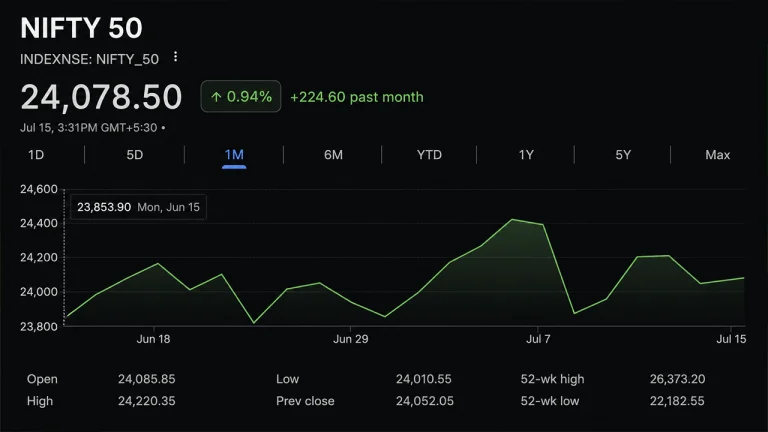
India Defies Global Chaos: Sensex and Nifty 50 Bounce Back After Massive Crash
Beyond the market fluctuations, the nation's core growth drivers—including its advanced payment systems, the burgeoning chip industry, and evolving crypto rules—continued to advance uninterrupted. This ability to maintain structural progress amidst macro turbulence solidifies India's position as one of the world's most robust and defiant leading economies.

Wall Street Evolution: Securitize and Cantor Fitzgerald Target Tokenized IPOs
This move signals a massive shift in how capital is raised, enabling companies to leverage digital assets for both primary and follow-on issuances. By combining Securitize's tokenization infrastructure with Cantor's deep equity capital markets expertise, the initiative aims to bring unprecedented efficiency and liquidity to global capital markets.

Security Breach: Arbitrum-based DEX Ostium Hit by $18 Million Vault Exploit
Beyond the immediate financial loss, this Ostium exploit highlights deep-seated vulnerabilities in DeFi platforms. Such incidents threaten to undermine market trust and are expected to prompt much stricter security measures and more rigorous auditing standards across the entire DeFi sector.

Institutional Floodgates Open: Major Banks Reach 32% Bitcoin Integration Milestone
This surge in institutional adoption represents a critical milestone for the crypto economy. As major banks weave Bitcoin into their service models, the gap between legacy finance and decentralized technology narrows, paving the way for unprecedented liquidity and mainstream legitimacy.

Staking Success, Trading Disaster: BitMine Earns $46M on Ethereum Only to Lose Double That on Options
This massive deficit, coupled with rising treasury costs and aggressive share issuance, is severely weakening the economic outlook for existing shareholders. The situation highlights the extreme volatility and danger of balancing stable Ethereum staking yields against high-stakes derivative trading.
