Staking Success, Trading Disaster: BitMine Earns $46M on Ethereum Only to Lose Double That on Options

BitMine successfully leveraged one of the world's largest corporate Ethereum holdings to generate $46 million in staking rewards last quarter. However, this steady income stream was completely obliterated by a disastrous $92.1 million loss incurred through aggressive Ethereum options betting.
This massive deficit, coupled with rising treasury costs and aggressive share issuance, is severely weakening the economic outlook for existing shareholders. The situation highlights the extreme volatility and danger of balancing stable Ethereum staking yields against high-stakes derivative trading.
BitMine's ambitious strategy to convert its massive Ethereum treasury into a recurring revenue stream hit a major roadblock this quarter. While the company successfully generated nearly $46 million from Ethereum staking, those gains were dwarfed by a staggering $92.1 million loss in the options market.
According to fiscal third-quarter data, the company's financial position is further strained by escalating treasury costs and a heavy reliance on share issuance. For shareholders, the combination of massive trading losses and equity dilution presents a complex and challenging landscape for the company's future valuation.
This is a summarized and adapted version by Artificial Intelligence. To read the complete original story, visit the official source.
Read Full Article at CryptoSlateSupport Jornal Bitcoin
Independent journalism, curated by AI, no clickbait. Keep the flame alive with any amount of BTC.
jonata@walletofsatoshi.comDaily Crypto Brief 📬
Subscribe to receive the curation of the most important Bitcoin and crypto news, summarized by AI. No spam.
Join more than 10,000 smart readers.
Related News

Bitcoin Surges Past $65,500 as US Inflation Data Comes in Cooler Than Expected
Softer inflation data in the US provides a bullish backdrop for Bitcoin, as it lowers the probability of prolonged high interest rates. As investors digest these figures, the impact on liquidity and institutional interest remains a key focal point for the digital asset's short-term trajectory.

Aave V4 Lands on Avalanche: Paving the Way for Tokenized Credit Markets
This deployment is a critical step toward the mass adoption of tokenized real-world assets (RWA) within decentralized finance. By enabling borrowing against tokenized assets on Avalanche, Aave V4 is bridging the gap between traditional finance and on-chain liquidity, setting a new benchmark for the future of global credit markets.

Crackdown Imminent: New CNJ Judicial Network to Deepen Cryptocurrency Tracking Against Organized Crime
This development signals a major escalation in the Brazilian judiciary's fight against sophisticated financial crimes. By focusing on the technical complexities of blockchain technology, the new network intends to close loopholes used for money laundering and to effectively intercept the flow of illicit funds moving through the crypto ecosystem.

Wallet War: PayPal vs Stripe and the Explosive Impact on Crypto Payments
While this rivalry could significantly accelerate stablecoin adoption, it also threatens to trigger heightened regulatory scrutiny on a global scale. The crypto industry must now balance rapid integration with the looming pressure from international regulators as these two titans fight for control of digital wallets.
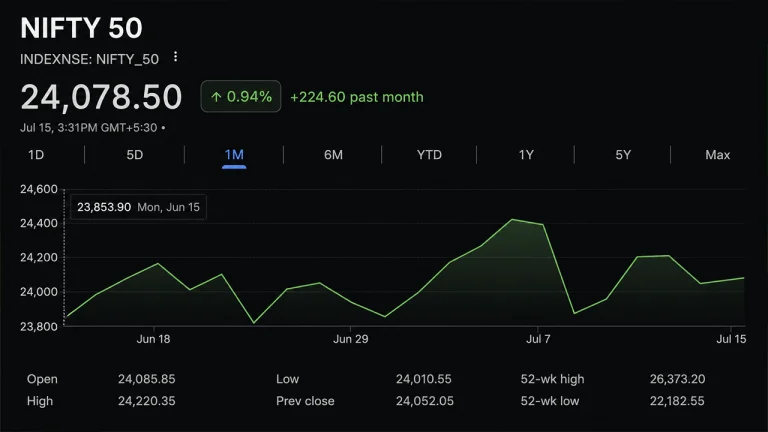
India Defies Global Chaos: Sensex and Nifty 50 Bounce Back After Massive Crash
Beyond the market fluctuations, the nation's core growth drivers—including its advanced payment systems, the burgeoning chip industry, and evolving crypto rules—continued to advance uninterrupted. This ability to maintain structural progress amidst macro turbulence solidifies India's position as one of the world's most robust and defiant leading economies.

Security Breach: Arbitrum-based DEX Ostium Hit by $18 Million Vault Exploit
Beyond the immediate financial loss, this Ostium exploit highlights deep-seated vulnerabilities in DeFi platforms. Such incidents threaten to undermine market trust and are expected to prompt much stricter security measures and more rigorous auditing standards across the entire DeFi sector.
