Polymarket Odds: Putin Exit Probability Surges to 18% Amid Ukraine Escalation

Geopolitical instability is driving massive shifts in prediction markets. As the conflict in Ukraine intensifies, Polymarket odds for Vladimir Putin leaving office by June 2027 have climbed to 18%, signaling growing market sentiment regarding the long-term stability of the Kremlin.
The surge follows devastating Russian missile and drone strikes on Kyiv and Odesa, which have caused significant casualties. As President Zelenskyy urges NATO for critical munitions support to counter dwindling supplies, the decentralized prediction market is increasingly factoring in the political fallout of the escalating war.
Polymarket odds suggest that the probability of Vladimir Putin exiting power by June 2027 has risen to 18%, fueled by the recent escalation in the Ukraine war. This shift comes amid heightened tensions following Russian missile and drone strikes on Kyiv and Odesa this week, which resulted in reported injuries and deaths.
As President Zelenskyy presses NATO for firmer commitments regarding munitions amid dwindling supplies, the prediction market is reacting to the shifting landscape. The escalation of military strikes and the resulting humanitarian crisis are directly impacting the geopolitical risk metrics tracked by crypto-asset investors and decentralized forecasting platforms.
This is a summarized and adapted version by Artificial Intelligence. To read the complete original story, visit the official source.
Read Full Article at Blockchain.newsSupport Jornal Bitcoin
Independent journalism, curated by AI, no clickbait. Keep the flame alive with any amount of BTC.
jonata@walletofsatoshi.comDaily Crypto Brief 📬
Subscribe to receive the curation of the most important Bitcoin and crypto news, summarized by AI. No spam.
Join more than 10,000 smart readers.
Related News

Geopolitical Flashpoint: US Strikes Iran Following Attack on Kuwait Base, Shaking Global Markets
Beyond the military implications, the fallout is expected to hit global oil markets hard, driving massive volatility in energy prices and broader geopolitical stability. As the situation evolves, the potential for widespread economic disruption remains a primary concern for global markets and risk management strategies.

Betting on a Surge: Polymarket Prices Bitcoin Odds at 99.95% to Top $54K by July 14
As traders brace for this potential breakout, the broader tech landscape shows significant capital movement. Understanding the correlation between crypto market sentiment and massive liquidity shifts in AI-driven sectors like CoreWeave is essential for navigating the current volatile market environment.

Bahrain Explosions Escalate US-Iran Tensions, Threatening Gulf Stability
The consequences of these explosions extend far beyond local borders, complicating vital peace negotiations between Washington and Tehran. This escalation of instability in the Gulf region may trigger unpredictable volatility for risk assets, demanding close monitoring from investors tracking the intersection of geopolitics and the crypto market.

Red Alert: Air Raid Sirens Sound in Bahrain as Gulf Tensions with Iran Escalate
The ongoing Middle East uncertainty threatens to disrupt global air travel and destabilize regional security frameworks. As these tensions rise, the resulting impact on market dynamics could trigger significant volatility, forcing global investors to brace for sudden shifts in economic stability and risk appetite.
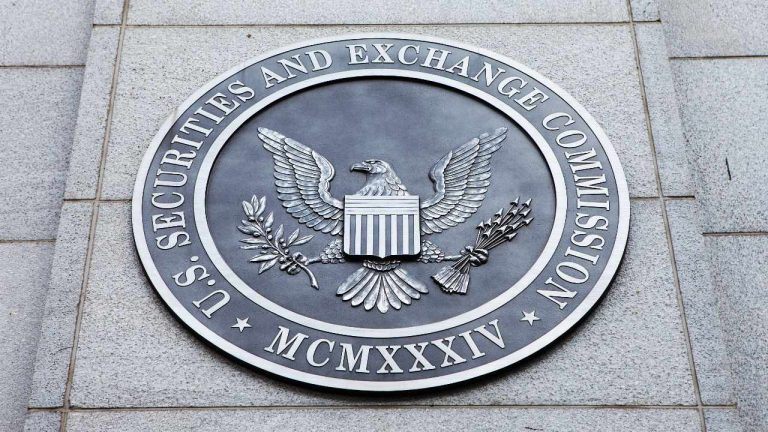
Ripple's Near Collapse: CEO Reveals Plans to Shut Down and Distribute XRP Following SEC Lawsuit
This revelation underscores the existential threat posed by regulatory enforcement actions on major blockchain entities. The saga of Ripple serves as a pivotal case study in how SEC litigation can jeopardize the stability of the broader cryptocurrency market and its core infrastructure.
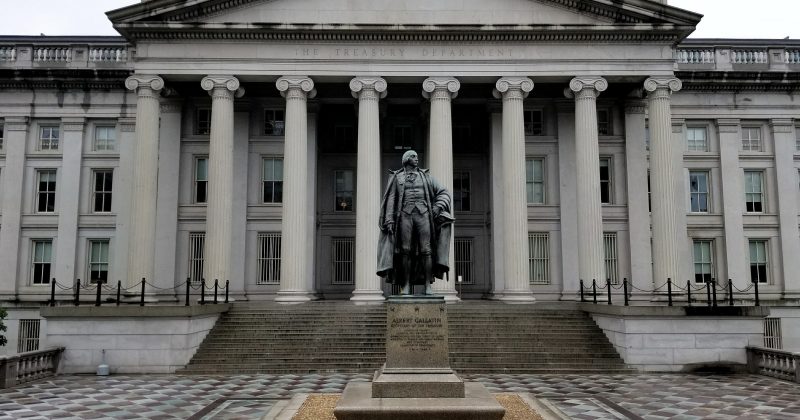
Market Alert: 2-Year Treasury Yield Hits 16-Month High as Oil Prices Surge
This surge in yields directly impacts borrowing costs and global economic growth projections. As geopolitical tensions continue to drive energy volatility, investors must navigate a complex landscape where traditional market shifts and central bank policies heavily influence liquidity and risk appetite across all asset classes.
