Ripple's Near Collapse: CEO Reveals Plans to Shut Down and Distribute XRP Following SEC Lawsuit
Ripple CEO Brad Garlinghouse has pulled back the curtain on a period of extreme instability following the SEC lawsuit. The company faced a critical crossroads where leadership contemplated shutting down operations entirely and distributing XRP holdings to shareholders to wind down the business.
This revelation underscores the existential threat posed by regulatory enforcement actions on major blockchain entities. The saga of Ripple serves as a pivotal case study in how SEC litigation can jeopardize the stability of the broader cryptocurrency market and its core infrastructure.
Ripple nearly shut down after the U.S. Securities and Exchange Commission (SEC) filed its lawsuit against the company. CEO Brad Garlinghouse revealed that the company seriously considered ending operations, distributing XRP holdings to shareholders, and closing the business altogether. The legal battle with the SEC put the company's very existence at risk, marking one of the most turbulent periods in the history of the digital asset industry.
This is a summarized and adapted version by Artificial Intelligence. To read the complete original story, visit the official source.
Read Full Article at Bitcoin.comSupport Jornal Bitcoin
Independent journalism, curated by AI, no clickbait. Keep the flame alive with any amount of BTC.
jonata@walletofsatoshi.comDaily Crypto Brief 📬
Subscribe to receive the curation of the most important Bitcoin and crypto news, summarized by AI. No spam.
Join more than 10,000 smart readers.
Related News
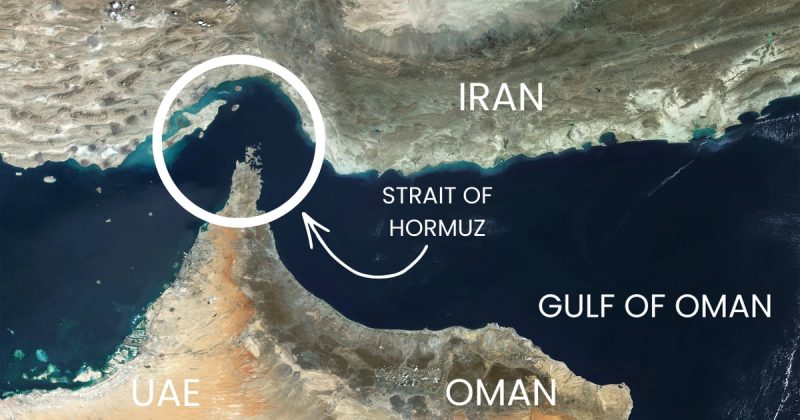
Oil Price Surge: US-Iran Clash in Strait of Hormuz Sparks Global Market Fears
Beyond the immediate spike, the ongoing friction threatens long-term global economic stability. As the energy markets react to the potential for supply disruptions, the ripple effects are expected to influence broader financial landscapes and commodity trading patterns.

Market Alert: 4 Critical Factors Set to Shake Crypto Markets This Week
Understanding these macroeconomic shifts is vital for navigating the current landscape. As inflation metrics influence Federal Reserve policy expectations, the geopolitical instability in the Middle East adds a layer of risk that could either drive investors toward digital assets or spark a broader flight to safety, impacting Bitcoin and the wider crypto ecosystem.

Market Storm Brewing: Hormuz Strait Tension and US Inflation Data to Trigger Volatility
The outcome of these events will heavily influence future monetary policy and shape global assessments of economic resilience. As investors weigh the risks of energy supply disruptions against macroeconomic shifts, the resulting liquidity shifts could create massive opportunities or risks within the crypto ecosystem.

Bahrain Explosions Escalate US-Iran Tensions, Threatening Gulf Stability
The consequences of these explosions extend far beyond local borders, complicating vital peace negotiations between Washington and Tehran. This escalation of instability in the Gulf region may trigger unpredictable volatility for risk assets, demanding close monitoring from investors tracking the intersection of geopolitics and the crypto market.

Bitcoin ETF Rebound: $197M Inflow Breaks 8-Week Outflow Streak
While the BlackRock iShares Bitcoin Trust spearheaded the recovery with $291.9 million in inflows, analysts warn against premature optimism. The end of the outflow streak suggests a potential recovery in institutional demand, yet seasonal trends in August and September, alongside stablecoin fluctuations, remain critical variables to watch.

Red Alert: Air Raid Sirens Sound in Bahrain as Gulf Tensions with Iran Escalate
The ongoing Middle East uncertainty threatens to disrupt global air travel and destabilize regional security frameworks. As these tensions rise, the resulting impact on market dynamics could trigger significant volatility, forcing global investors to brace for sudden shifts in economic stability and risk appetite.
