Financial Breakthrough? US Paycheck-to-Paycheck Living Hits 5-Year Low Amid Persistent Economic Anxiety

A recent survey by Debt.com reveals a significant shift in American household finances, with the number of adults living paycheck to paycheck dropping to a five-year low. This Intel Brief suggests a growing buffer in personal liquidity, yet the underlying psychological tension regarding the macroeconomy remains remarkably high.
The data underscores a complex economic paradox: while improved budgeting has provided some relief, the fear of economic instability continues to drive consumer behavior. As households navigate this landscape, the necessity of strict financial planning remains a cornerstone of survival in an unpredictable market environment.
A Debt.com survey has revealed that fewer U.S. adults are currently living paycheck to paycheck, marking a five-year low for this metric. However, this statistical improvement has not quelled the widespread anxiety regarding the nation's economic future.
Despite the increased financial breathing room for many households, economic concerns remain a dominant force. The study indicates that budgeting remains an essential practice for nearly all families, as the fear of inflation and market volatility keeps the American consumer on high alert.
This is a summarized and adapted version by Artificial Intelligence. To read the complete original story, visit the official source.
Read Full Article at The Daily HodlSupport Jornal Bitcoin
Independent journalism, curated by AI, no clickbait. Keep the flame alive with any amount of BTC.
jonata@walletofsatoshi.comDaily Crypto Brief 📬
Subscribe to receive the curation of the most important Bitcoin and crypto news, summarized by AI. No spam.
Join more than 10,000 smart readers.
Related News

Polymarket Signal: 84% Odds of Zero Fed Rate Cuts in 2026 Amid $44.6M Surge
This hawkish outlook is heavily influenced by shifting macroeconomic pressures, specifically regarding energy stability. A recent Rabobank report warns that elevated European natural gas prices could persist, creating a structural inflationary risk that may force the Fed to maintain restrictive monetary policy longer than many analysts had originally projected.

Kazakhstan Unveils Bold Plan to Build National Crypto Reserve via Bitcoin Miners
President Kassym-Jomart Tokayev is spearheading this two-step initiative to transition the country's large-scale mining industry into a strictly regulated and state-supervised ecosystem. By integrating Bitcoin production into the national treasury, Kazakhstan is positioning itself as a proactive player in the global digital economy, turning industrial mining power into long-term sovereign wealth.
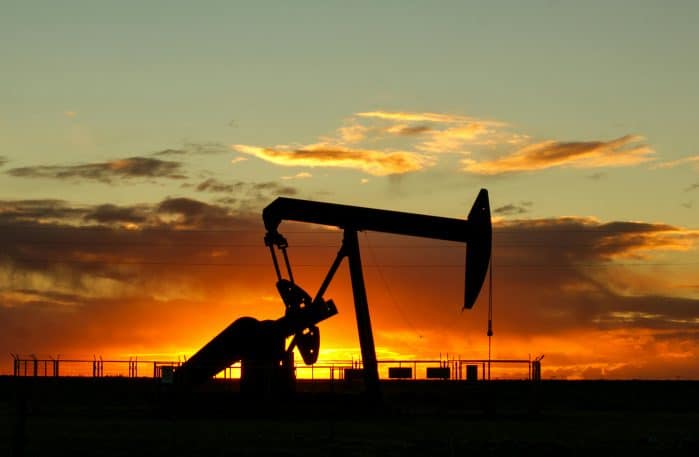
Geopolitical Chaos? RBC Warns Oil Prices Could Shatter 2008 Records
This potential surge in oil prices carries significant implications for global inflation and broader market stability. As geopolitical tensions rise, investors are bracing for a commodity shock that could reshape capital flows across both traditional energy sectors and the digital asset landscape.
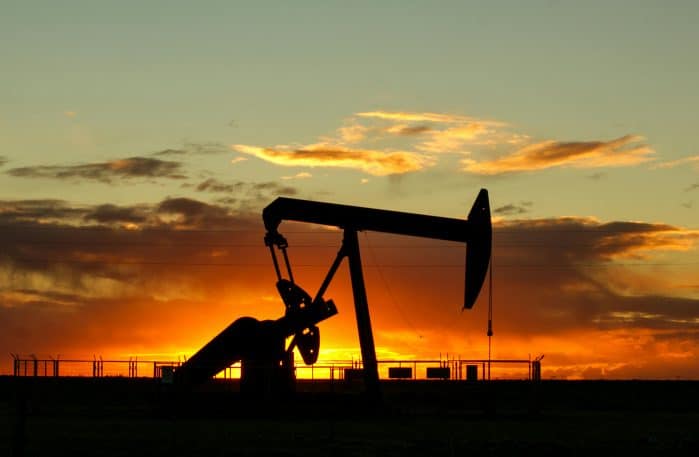
Inflation Panic: Oil Price Surge Triggers Massive Global Bond Sell-Off
With crude oil projected to hit new all-time highs by December 31, potentially rising by 16.5%, the macroeconomic implications are profound. The volatility in the energy sector is directly impacting bond yields, creating a ripple effect across global financial markets and complicating the outlook for economic stability.
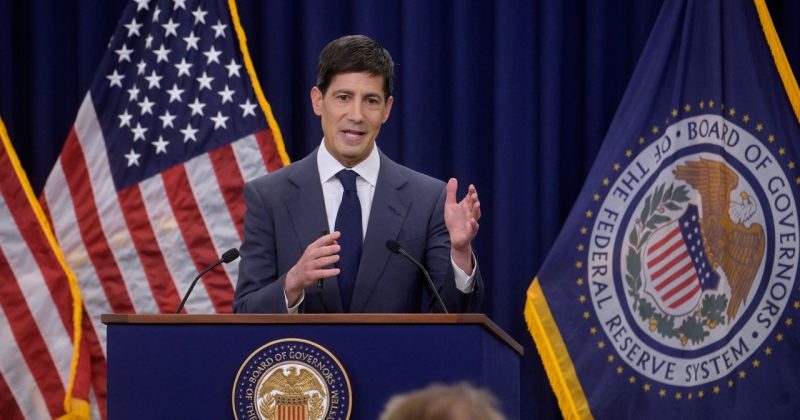
Fed Alert: Warsh Signals No Immediate Rate Cuts Amid Inflation Fears
While the immediate outlook remains tight, market models show a marginal 0.1% probability of a rate cut occurring within the next three meetings. This lack of stimulus could dampen liquidity in risk-on assets, directly impacting the crypto market and broader investor sentiment.
Iran-Red Sea Conflict Escalation Threatens Global Oil Supply Routes
As market participants eye the Strait of Hormuz, the focus remains on whether maritime traffic can normalize by August 31. Any disruption in these vital shipping lanes could lead to a supply shock, creating ripple effects that extend far beyond the energy sector into broader macroeconomic stability.
