Geopolitical Shockwave: Strait of Hormuz Ship Traffic Plummets Following US-Iran Strikes
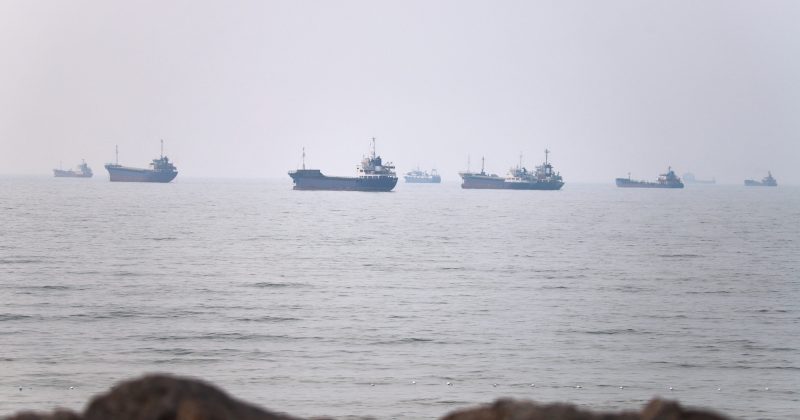
Ship traffic through the Strait of Hormuz has hit a monthly low following intense military strikes involving the US and Iran. This sudden decline in maritime activity serves as a critical indicator of heightened geopolitical tensions that threaten to paralyze vital global trade routes.
The escalating conflict poses a direct threat to global oil supply chains, potentially compromising international energy security and market stability. As military actions intensify, the risk of a massive supply disruption looms large, creating significant uncertainty for global economic actors and energy markets.
Geopolitical tensions in the Strait of Hormuz could disrupt global oil supply chains, significantly impacting market stability and energy security. The situation remains highly fluid, with the potential for further escalation to trigger widespread economic consequences.
This is a summarized and adapted version by Artificial Intelligence. To read the complete original story, visit the official source.
Read Full Article at Crypto BriefingSupport Jornal Bitcoin
Independent journalism, curated by AI, no clickbait. Keep the flame alive with any amount of BTC.
jonata@walletofsatoshi.comDaily Crypto Brief 📬
Subscribe to receive the curation of the most important Bitcoin and crypto news, summarized by AI. No spam.
Join more than 10,000 smart readers.
Related News
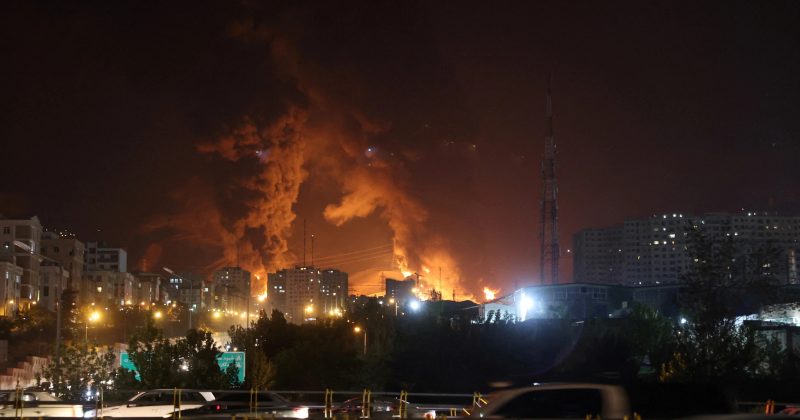
Geopolitical Alert: Rising Iran Tensions Threaten Infrastructure and Global Markets
The potential consequences extend far beyond Middle Eastern borders, threatening to disrupt global oil markets and escalate into a broader regional conflict. For market participants, tracking this regional instability is vital to navigating potential shocks in risk assets and energy commodities.

Explosions Reported on Iran’s Larak Island: Strait of Hormuz Tensions Spike
The heightened tensions in the Strait of Hormuz pose a direct threat to global oil shipping and overall market stability. Should these disruptions persist, the impact on global energy supplies could trigger significant volatility across international markets and broader economic sectors.
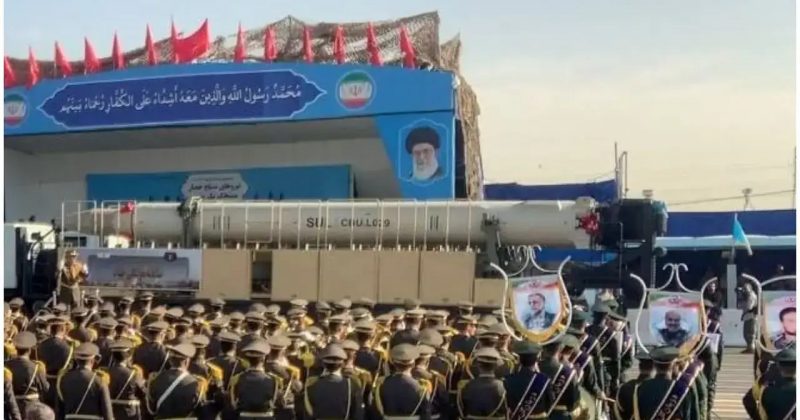
UK to Criminalize Support for Iran’s IRGC Under New Security Act
This move is expected to escalate geopolitical tensions and significantly impact diplomatic relations between the UK and Iran. Furthermore, the new law may create unforeseen complications for opposition figures working to challenge the Iranian regime, adding a layer of legal complexity to international political activism.
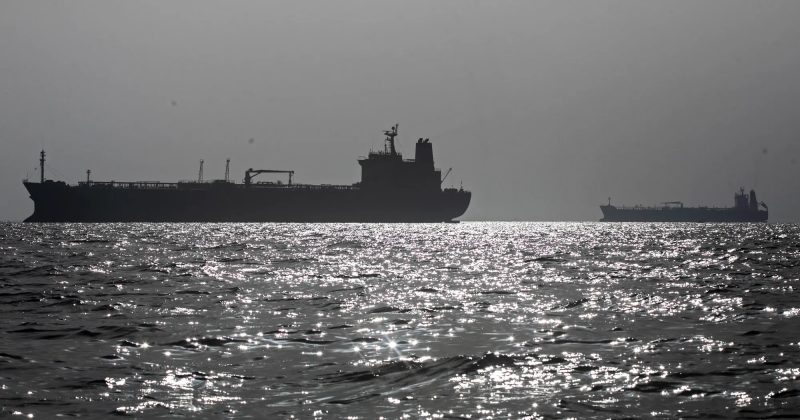
Supply Surge: Iran Exports 57M Barrels Amid US Blockade Ceasefire
The conclusion of this ceasefire period is expected to trigger heightened geopolitical tensions. As the blockade resumes its full force, market analysts anticipate increased oil price volatility, which could create ripple effects across global energy markets and broader financial stability.
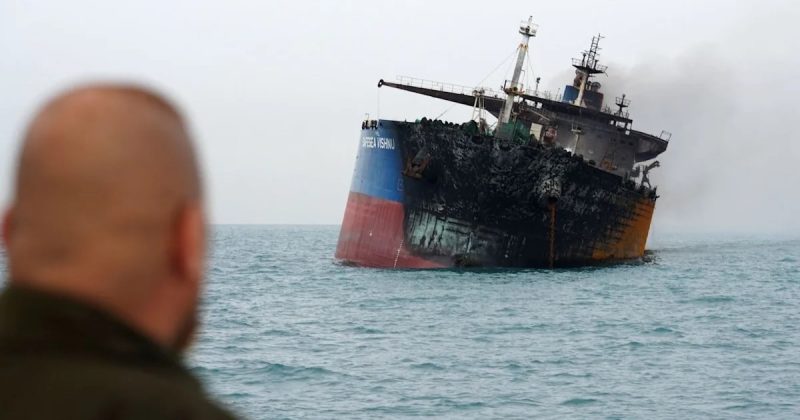
WTI Crude Surges to $77.77 as US-Iran Tensions Flare in Strait of Hormuz
This geopolitical friction threatens to induce sustained market volatility and potential long-term increases in global oil prices. As the situation evolves, the risk of supply disruptions remains a primary concern for macro analysts monitoring the intersection of energy security and global economic stability.
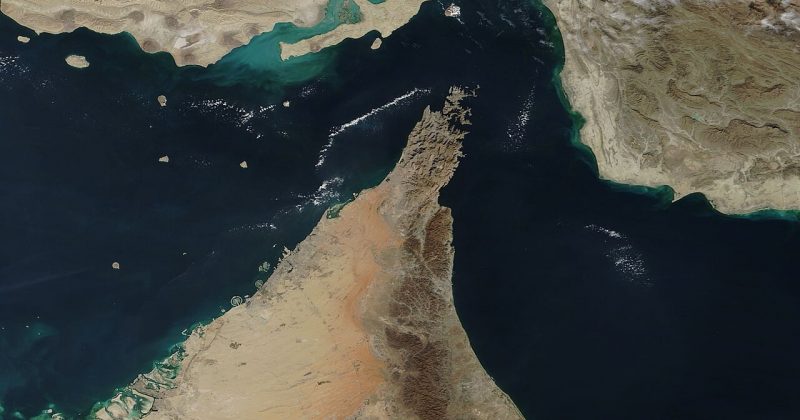
Hormuz Strait Shake-up: Iran Pledges Fair Tolls in Surprising Alignment with Trump
In a surprising diplomatic twist, Iran is aligning its stance on financial compensation with the expectations of the Trump administration. This alignment suggests a potential opening for high-stakes geopolitical negotiations, though the market remains cautious about how these new toll structures will influence global shipping costs and regional stability.
