Centralization Risk: Cambridge Study Finds 31% of Ethereum Node Activity Concentrated in the US

New research from the University of Cambridge has sent shockwaves through the crypto industry, revealing that 31% of all Ethereum node activity is currently concentrated within the United States. This high level of geographic concentration poses a direct challenge to the core principle of decentralization that secures the Ethereum network.
Beyond geography, the heavy reliance on a handful of major cloud service providers introduces systemic vulnerabilities that could jeopardize network security and long-term price stability. As regulatory scrutiny intensifies, this centralization of infrastructure remains a critical bottleneck for the Ethereum ecosystem's resilience.
A recent study by the University of Cambridge has uncovered a significant centralization trend within the Ethereum network, noting that 31% of node activity is concentrated in the US. This concentration, coupled with a heavy reliance on a small number of cloud infrastructure providers, creates potential single points of failure that could undermine the entire network's security.
Industry experts warn that such centralization increases the risk of censorship and could lead to increased volatility in Ethereum's price. To uphold its mission of being a censorship-resistant global computer, the network must address these infrastructural dependencies to mitigate risks to its decentralized foundation.
This is a summarized and adapted version by Artificial Intelligence. To read the complete original story, visit the official source.
Read Full Article at Crypto BriefingSupport Jornal Bitcoin
Independent journalism, curated by AI, no clickbait. Keep the flame alive with any amount of BTC.
jonata@walletofsatoshi.comDaily Crypto Brief 📬
Subscribe to receive the curation of the most important Bitcoin and crypto news, summarized by AI. No spam.
Join more than 10,000 smart readers.
Related News
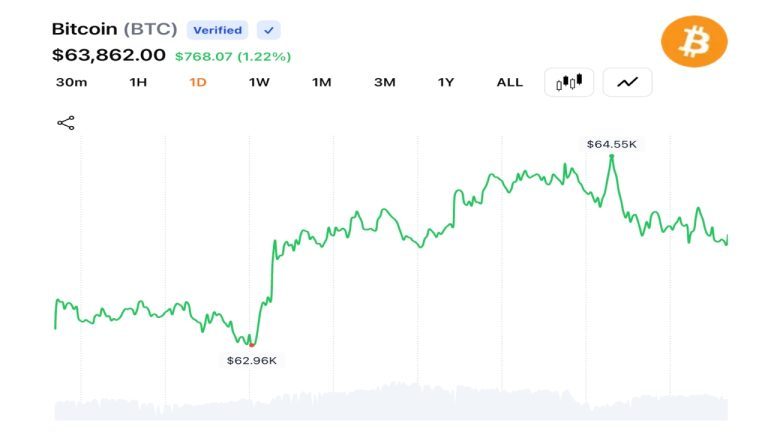
Bitcoin Surges Past $64K as $96M Short Squeeze Triggers Massive Recovery
As Bitcoin regains its footing, the total crypto market cap has climbed to $2.28 trillion. This sudden shift suggests that the market is absorbing geopolitical risks, with the liquidation of short positions providing the necessary fuel for a renewed upward trajectory in the digital asset space.

DOJ Scandal: Inmate Accused of Stealing $290,000 in US Government Confiscated Crypto
This incident highlights significant concerns regarding the security of confiscated cryptocurrency and the potential for internal breaches within the justice system. Iossifov, who was already serving an 111-month sentence, now faces additional charges that underscore the growing challenges in managing high-value crypto assets during legal proceedings.

Missed Opportunity? New Hampshire Council Rejects $100M Bitcoin-Backed Bond Proposal
Critics, including state representative Keith Ammon, have slammed the vote as 'short-sighted,' arguing that the council failed to grasp the long-term potential of Bitcoin-backed assets. The rejection marks a significant setback for proponents of state-level crypto adoption and raises questions about New Hampshire's future role in the evolving digital asset landscape.

Energy Warfare: Ukraine Strikes Russian Refineries and Fuel Tankers in Massive Offensive
Beyond the immediate battlefield, these strikes could exacerbate Russia's fuel shortages and trigger significant volatility in global energy markets. Such geopolitical instability poses a direct risk to crypto mining economics, as energy price fluctuations can drastically alter the profitability and operational landscape of the digital asset sector.

ETF Exodus: Bitcoin Funds Bleed $95 Million as Ether's Inflow Streak Snaps
Adding to the pressure, Ether ETFs ended a promising five-day inflow streak, posting a $52.08 million exit. With Solana seeing minor redemptions and XRP ETFs showing zero trading activity, the market is closely monitoring these ETF flows to determine if this capital flight is a temporary correction or a broader shift in sentiment.

Goodbye OTP? Hong Kong Forces Crypto Exchanges to Upgrade Security or Pay for Hacks
This regulatory pivot places a massive burden of responsibility on exchanges, as they must now implement immediate monitoring and incident response duties. Failure to comply with these enhanced security standards could result in platforms being held legally and financially liable for user losses, marking a significant shift in the accountability landscape for the crypto industry.
