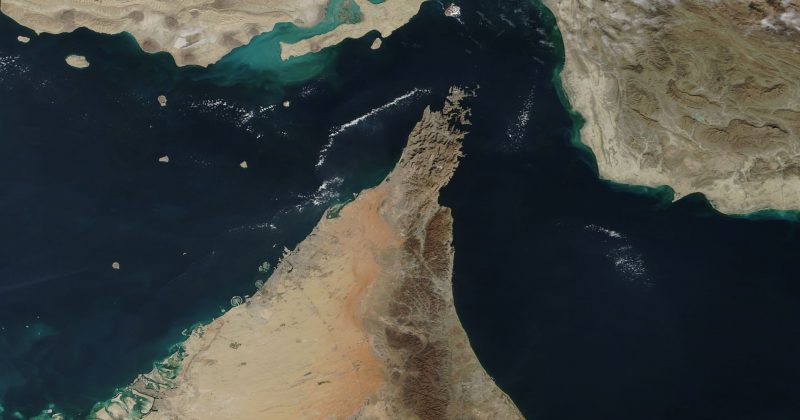
ADNOC Reports 15 Vessel Attacks as Hormuz Crisis Escalates: Global Oil Supply at Risk

ADNOC, Abu Dhabi's state-owned oil giant, has confirmed 15 vessel attacks in the Strait of Hormuz, marking a dangerous escalation in maritime threats that jeopardize global energy security. The incidents come at a critical time for oil markets, with the Strait of Hormuz serving as a vital chokepoint for global oil and natural gas transportation. The growing instability in the region could trigger a global supply crisis, impacting oil prices and the world economy. Analysts warn these attacks represent a significant challenge to international energy security, with potential geopolitical consequences that could reshape power dynamics in the Persian Gulf.
This is a summarized and adapted version by Artificial Intelligence. To read the complete original story, visit the official source.
Read Full Article at Crypto BriefingSupport Jornal Bitcoin
Independent journalism, curated by AI, no clickbait. Keep the flame alive with any amount of BTC.
jonata@walletofsatoshi.comDaily Crypto Brief 📬
Subscribe to receive the curation of the most important Bitcoin and crypto news, summarized by AI. No spam.
Join more than 10,000 smart readers.
Related News
China Unveils Massive AI Dataset Plan as Global Data Crisis Escalates

Nvidia's $1B Bet: Potential 30% Stake in Lancium Signals AI Energy Race

Oil Prices Plunge as US-Iran Peace Talks Signal De-escalation

US Intel Warns Russia May Target NATO Ally to Fragment Alliance
The potential for Russian aggression against a NATO member puts fundamental alliance principles to the test and could trigger a chain reaction of unpredictable consequences. Investors and market watchers are closely monitoring geopolitical developments, as regional instability traditionally leads to volatility in both digital and traditional assets, with Bitcoin often serving as a safe haven during times of uncertainty.
US Sanctions on Iranian Crypto Exchanges Rock Nuclear Talks
The sanctions specifically target cryptocurrency platforms that allegedly facilitate financial transactions for the Iranian government, potentially bypassing traditional restrictions. This action could undermine market confidence and further complicate diplomatic relations, as analysts closely monitor potential effects on digital asset volatility and prospects for a nuclear deal that could ease economic sanctions against Iran.