AI Meets Blockchain: Next Acceleration Program Targets Next-Gen Fintech Innovations

The Next acceleration program has launched its ninth edition, setting a high-stakes mission to bridge the gap between artificial intelligence and blockchain technology. The program is specifically hunting for cutting-edge financial tools that leverage AI to streamline monetary tasks and blockchain-based payment systems.
This strategic move aims to foster a new wave of fintech disruption by empowering entrepreneurs with expert mentorship. By combining the predictive power of artificial intelligence with the immutable nature of blockchain, selected participants are poised to redefine the future of automated digital finance.
The Next acceleration program is actively seeking solutions that merge the power of artificial intelligence with the efficiency of blockchain payments. In its ninth edition, the program is focusing its selection process on proposals that utilize AI to automate and optimize complex monetary tasks.
Interested entrepreneurs and startups looking to join this innovation journey must submit their registration forms by August 2, 2026. Selected participants will receive dedicated support from expert tutors, providing the essential guidance needed to transform disruptive ideas into robust, market-ready products.
This is a summarized and adapted version by Artificial Intelligence. To read the complete original story, visit the official source.
Read Full Article at LivecoinsSupport Jornal Bitcoin
Independent journalism, curated by AI, no clickbait. Keep the flame alive with any amount of BTC.
jonata@walletofsatoshi.comDaily Crypto Brief 📬
Subscribe to receive the curation of the most important Bitcoin and crypto news, summarized by AI. No spam.
Join more than 10,000 smart readers.
Related News
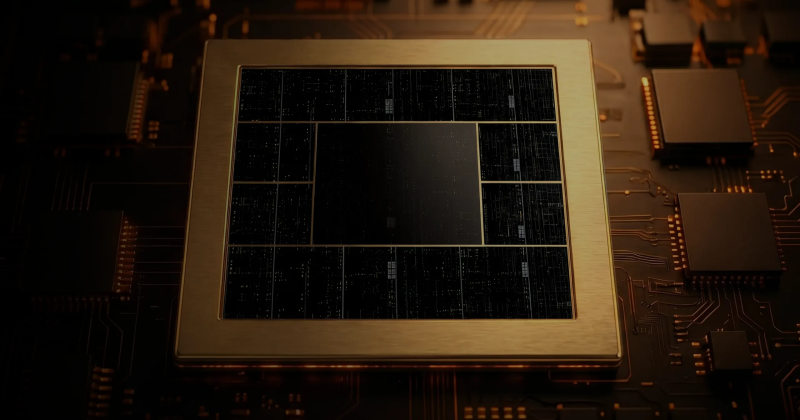
AI Hardware Revolution: TYLSemi Secures $43M to Build 'Lego Blocks' for Custom AI Chips
This massive injection of capital is set to accelerate industry growth by lowering the technical and financial barriers to custom silicon. As the demand for tailored AI solutions skyrockets, TYLSemi’s modular approach provides the essential infrastructure needed to fuel the next wave of artificial intelligence evolution.

Decentralized AI Returns to Crypto Venture Map as Nous Research Funding Talks Heat Up
As the industry pivots, the focus on decentralized AI infrastructure and regulatory frameworks is becoming paramount. This evolution suggests that the long-term value in the crypto space will be driven by technological utility and robust infrastructure rather than mere market volatility.
AMD’s 2026 AI Vision: The Roadmap to Dominating the Artificial Intelligence Era
The implications of this roadmap extend far beyond simple hardware upgrades, directly impacting the global high-performance computing and AI infrastructure landscape. By prioritizing cutting-edge AI solutions, AMD aims to capture significant market share in the AI chip sector, challenging established leaders and accelerating industrial-scale technological innovation.

Polymarket Surge: Le Pen Odds Skyrocket to 31% for 2027 France Race Amid $112M Volume
The sudden spike in odds reflects a significant recalibration of political risk perception in Europe. As trading volume expands, investors are increasingly leveraging Polymarket to price election uncertainties, turning blockchain-based data into powerful market indicators that often outpace traditional polling methods.
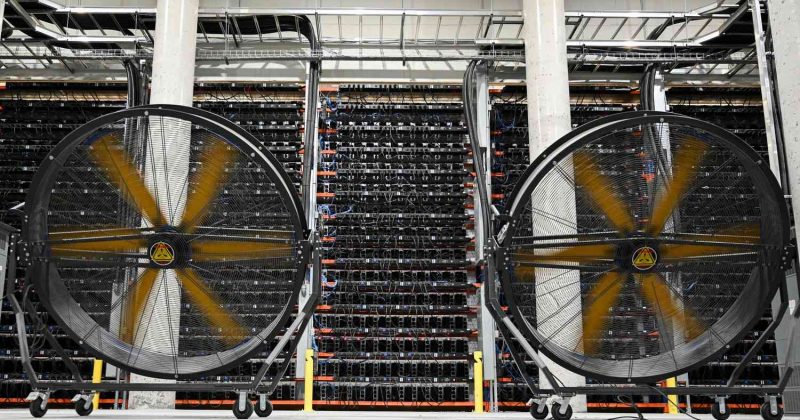
New York Shockwave: One-Year Data Center Ban Rattles Crypto Mining and AI Ambitions
This moratorium signals a growing trend of regulatory scrutiny on tech infrastructure that could reshape energy policies nationwide. As authorities tighten control over high-density power usage, the industry faces a pivotal moment where the tension between technological expansion and environmental/grid stability reaches a breaking point.

Satoshi Nakamoto: Lone Genius or Secret Team? AI Models Attempt to Solve Bitcoin's Greatest Mystery
By leveraging advanced machine learning logic, this investigation dives into the technical complexities of the Bitcoin protocol to weigh the probabilities of a single architect versus a group effort. The findings provide a fascinating look at how artificial intelligence interprets the origins of the world's largest cryptocurrency and what it means for the future of decentralization.
