World Cup in the USA Smashes Expectations—and Crypto Is Along for the Ride

The World Cup’s success in the United States smashed expectations and could set a new global standard for how fans engage with sports. With crypto integrated into the broader event ecosystem, the move also hints at a shift in digital asset adoption.
If this momentum holds, it may reshape sports consumption worldwide—more interactive, more connected, and increasingly tied to digital rails that include crypto. For the industry, this is a clear signal: crypto is not just trying to fit in, it’s positioning for mainstream visibility through major public moments.
This is a summarized and adapted version by Artificial Intelligence. To read the complete original story, visit the official source.
Read Full Article at Crypto BriefingSupport Jornal Bitcoin
Independent journalism, curated by AI, no clickbait. Keep the flame alive with any amount of BTC.
jonata@walletofsatoshi.comDaily Crypto Brief 📬
Subscribe to receive the curation of the most important Bitcoin and crypto news, summarized by AI. No spam.
Join more than 10,000 smart readers.
Related News

Real Madrid Breaks World Cup Goal Record, Yet Crypto Fan Token Market Remains Silent
This muted response suggests a significant waning of investor interest in the crypto fan token sector. As the correlation between sporting achievements and token performance weakens, analysts are questioning whether the current utility of these digital assets is sufficient to sustain momentum during major global football events, potentially signaling a shift in how crypto enthusiasts engage with sports.

Chelsea’s Xabi Alonso Move Signals Massive Shift Toward Fan Token Integration
As clubs lean into these digital assets, the impact on fan engagement and club decision-making dynamics will be profound. This evolution marks a transition toward a decentralized model where fan tokens provide real utility, reshaping how supporters influence the clubs they love.

Michael Saylor’s Warning: The 5 Critical Risks Shaping Bitcoin’s Future
These risks encompass regulatory shifts, custody system vulnerabilities, and long-term network security challenges. For institutional investors and Bitcoin holders, these insights highlight that the primary threats are not technological failure, but rather the complex interplay of global regulation and evolving financial infrastructure.

US Strikes in Iran Kill Telecom Official, Sending Shockwaves Through Crypto Markets
Beyond the immediate casualties, the fallout threatens to destabilize global markets and drive oil prices upward, creating a ripple effect of volatility across the crypto landscape. As geopolitical uncertainty rises, the digital asset market faces significant turbulence, testing the resilience of crypto assets in times of global crisis.
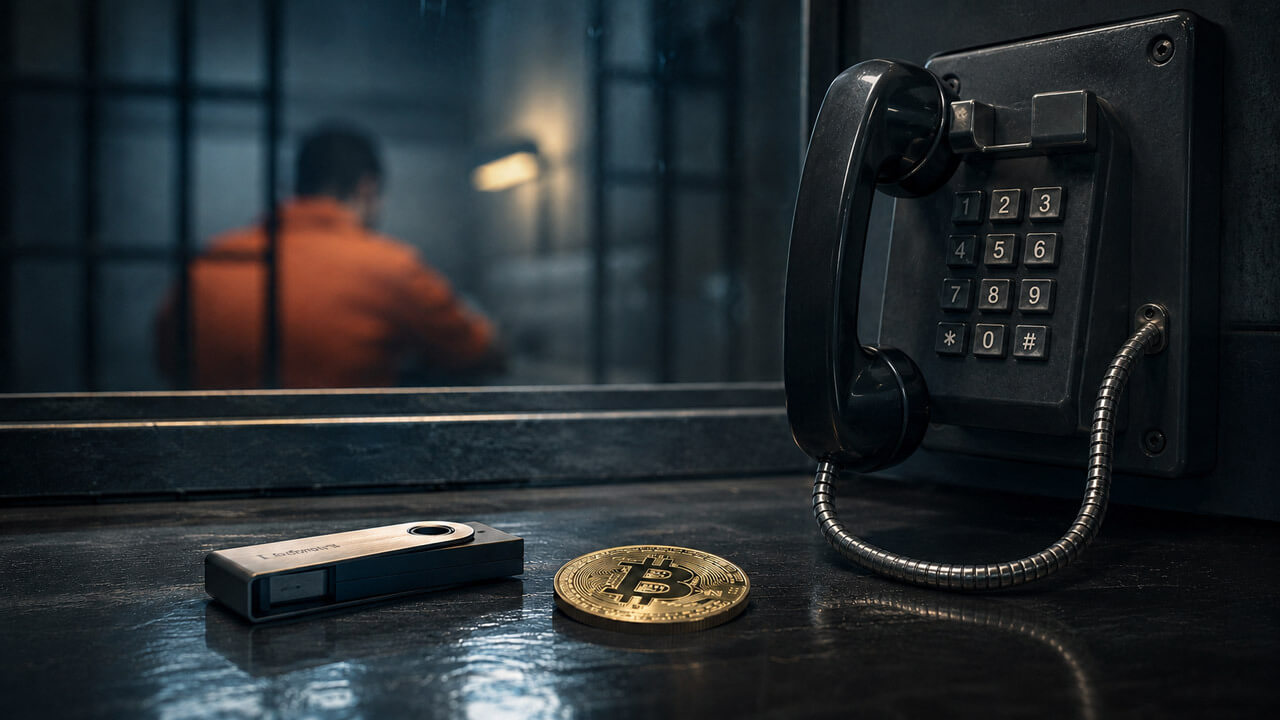
DOJ Security Breach: 'Seized' Crypto from Convicted Scammer Vanishes to Unknown Wallets
The core of the issue lies in the DOJ's failure to distinguish between a legal forfeiture order and the technical authorization required for transfers. As these funds move through unmonitored channels, the incident raises serious questions about the legal and technical protocols used to manage recovered crypto assets in high-profile criminal cases.

Geopolitical Alert: US Capable of Seizing Control of Strait of Hormuz if Trump Decides, says Gen. McKenzie
Such a move has the potential to destabilize global energy markets and heighten geopolitical risks to critical levels. Tensions in the Strait of Hormuz do not merely affect regional security; they directly impact economic volatility and international relations, creating a high-stakes environment for both traditional markets and the broader global economy.
