Regulatory War: 44 States Unite to Crack Down on Prediction Markets
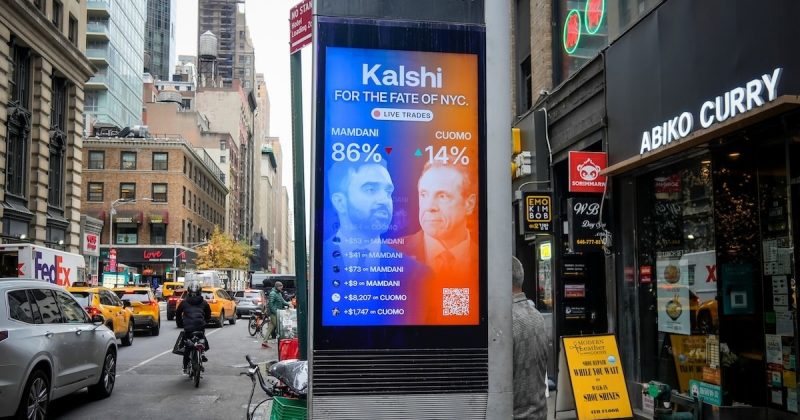
A massive regulatory shift is underway as 44 states align to challenge the expansion of prediction markets. This legal confrontation targets the intersection of data-driven forecasting and traditional sports wagering, threatening the current operational model of major prediction platforms.
The implications extend far beyond simple gambling laws, touching on state revenues and regulatory control. As the fight intensifies, investor strategies must adapt to a landscape where the legal definition of a prediction market could fundamentally reshape the entire industry's future.
In a move that could permanently alter the betting landscape in the United States, 44 states have aligned themselves in a legal fight against prediction markets. The core of the conflict lies in the distinction between data-driven prediction markets and regulated sports wagering.
Legal experts suggest this clash could reshape the prediction market landscape, significantly impacting state revenues, regulatory control, and the long-term strategies of institutional investors. The outcome will determine whether these markets can coexist with traditional gambling frameworks or face strict prohibition.
This is a summarized and adapted version by Artificial Intelligence. To read the complete original story, visit the official source.
Read Full Article at Crypto BriefingSupport Jornal Bitcoin
Independent journalism, curated by AI, no clickbait. Keep the flame alive with any amount of BTC.
jonata@walletofsatoshi.comDaily Crypto Brief 📬
Subscribe to receive the curation of the most important Bitcoin and crypto news, summarized by AI. No spam.
Join more than 10,000 smart readers.
Related News
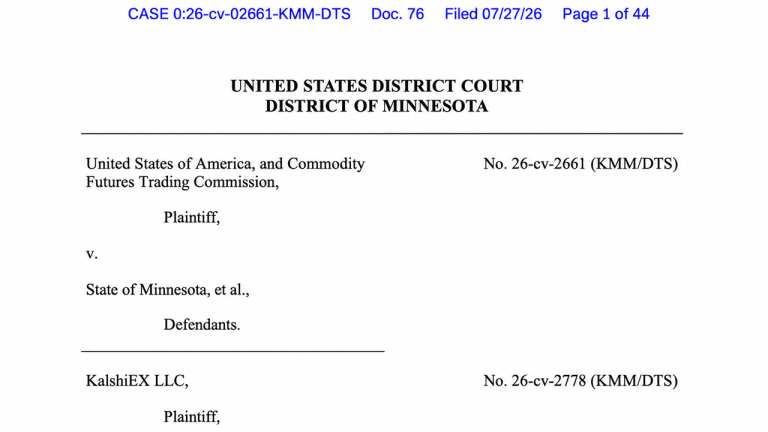
Legal Win for Polymarket: US Judge Blocks Minnesota's Prediction-Market Ban
However, the ruling is not a total sweep for the industry, as it introduces critical regulatory distinctions. The judge noted that certain entertainment-based contracts may not qualify as 'swaps' under federal regulation, potentially setting the stage for a complex legal battle over how prediction markets and digital assets are classified moving forward.

Paradigm Takes on CFTC: The Move That Could Redefine Prediction Markets
This engagement is poised to reshape the landscape of prediction markets and investor dynamics significantly. By influencing how the CFTC views event contracts, Paradigm is helping to pave the way for institutional-grade participation and a more structured environment for decentralized forecasting tools.

Legal Win for Polymarket: Federal Court Blocks Minnesota's Prediction Market Ban
This ruling sets a significant precedent for the intersection of state and federal regulation within the crypto space. By prioritizing federal authority, the court has mitigated the risk of a fragmented regulatory landscape that could stifle the growth of decentralized prediction markets and digital asset trading.

Federal Court Blocks Minnesota's Felony Crackdown on Kalshi and Polymarket
This ruling represents a major win for the prediction market industry, providing much-needed breathing room before critical deadlines. The outcome underscores the ongoing tension between state-level enforcement and the operational legality of decentralized and centralized prediction platforms in the U.S. market.
Market Split: Prediction Markets Signal Hold While Citadel Bets on Fed Rate Hike
This divergence comes amid mounting political pressure from Donald Trump on the central bank, complicating the Fed's path forward. As participants buy protection against unexpected shifts, the market remains on edge, balancing technical indicators against a backdrop of intense geopolitical and institutional tension.

Regulatory Showdown: Hyperliquid and Multicoin Demand Unified Rules for Prediction Markets
The core of the demand focuses on transparency, specifically asking the CFTC to clarify settlement tests and mandate the publication of detailed reasoning following every contract review. This push for accountability aims to prevent arbitrary enforcement and create a stable environment for the next wave of institutional adoption in decentralized finance.
