Zhipu’s $4B Hong Kong Placement Fails to Boost Tradable Shares, Raising Liquidity Concerns

Zhipu’s massive $4B Hong Kong placement has failed to significantly impact the volume of tradable shares, signaling a major hurdle in liquidity expansion. This lack of movement suggests that even multi-billion dollar efforts may struggle to penetrate deeper market layers effectively.
The consequences of this limited expansion are far-reaching, potentially dampening investor confidence and shifting broader market dynamics. As liquidity remains constrained, the market watches closely to see if Zhipu can overcome these structural challenges to stabilize its position in the global financial landscape.
This is a summarized and adapted version by Artificial Intelligence. To read the complete original story, visit the official source.
Read Full Article at Crypto BriefingSupport Jornal Bitcoin
Independent journalism, curated by AI, no clickbait. Keep the flame alive with any amount of BTC.
jonata@walletofsatoshi.comDaily Crypto Brief 📬
Subscribe to receive the curation of the most important Bitcoin and crypto news, summarized by AI. No spam.
Join more than 10,000 smart readers.
Related News

SEC Vacancy Clash: Trump Requested Democratic Candidates, But No Names Arrived, Says White House
This political tug-of-war carries significant weight for the future of financial oversight and crypto regulation. As the battle over SEC leadership intensifies, the resulting vacuum or composition of the commission will dictate the regulatory landscape for institutional investors and the broader digital asset market.
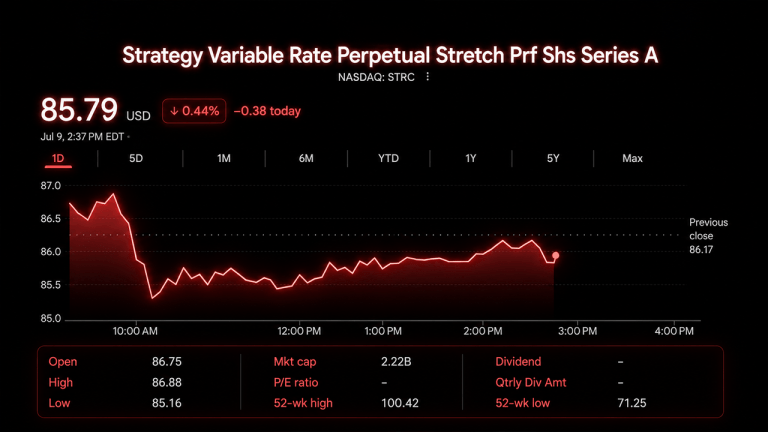
Controversy Erupts: Using Bitcoin Sales to Fund Stock Buybacks Sparks Intense Debate
While the firm boosted dividends to 12% in late June, the market remains skeptical of using volatile Bitcoin holdings to support equity prices. This maneuver highlights a growing tension between crypto treasury management and traditional stock market stability, posing questions about long-term sustainability.

Beyond the Hype: How Rise is Revolutionizing Private Credit via Blockchain
By integrating this advanced infrastructure, the platform aims to drastically slash operational costs and broaden access to high-value assets. This strategic move cements the role of Real World Assets (RWA) tokenization as a practical driver of efficiency, enhancing liquidity and risk management within the evolving decentralized finance ecosystem.

Market Red Alert: Massive Outflows from Bitcoin ETFs and Private Credit Funds Signal Rising Risk
Crucially, redemption requests in the $2 trillion private credit market skyrocketed to $15.6 billion in the second quarter, dwarfing the outflows seen in Bitcoin ETFs. This massive movement in the credit space underscores a broader trend of de-risking that could have profound implications for both traditional finance and the crypto ecosystem.

The ETF Revolution: Why Millions of Brazilian Investors are Switching Strategies
While the efficiency of ETFs is undeniable, navigating the specificities of Brazilian taxation and understanding the underlying risks remains crucial. Investors must grasp the core mechanism of these funds to leverage their potential within a sophisticated investment strategy.

Robinhood Debuts Wall Street Layer 2 Chain as $150M 'Cat Coin' Takes the Throne
In a twist typical of crypto markets, the network's initial momentum is being driven by retail frenzy surrounding CASHCAT. This memecoin, born from Robinhood's own discarded 'CashCat' branding, has surged to a $150 million market cap, proving that community-driven assets can dominate the spotlight even on high-utility institutional chains.
