Privacy Revolution: Zcash Targets Visa-Scale Speed with 50,000 TPS New Node

The Zcash ecosystem has reached a massive milestone with the introduction of the Zakura client. This new node is engineered to catapult the network's capacity from a mere one private transaction per second to a staggering 50,000 transactions per second (TPS), directly challenging the processing power of traditional payment giants like Visa.
As the first live component of a long-term strategic roadmap, Zakura aims to bridge the gap between niche privacy tools and global payment-network scale. By solving the critical scalability bottleneck, Zcash is positioning itself to become a cornerstone of high-volume, privacy-preserving financial infrastructure for the decentralized future.
This is a summarized and adapted version by Artificial Intelligence. To read the complete original story, visit the official source.
Read Full Article at CoinDeskSupport Jornal Bitcoin
Independent journalism, curated by AI, no clickbait. Keep the flame alive with any amount of BTC.
jonata@walletofsatoshi.comDaily Crypto Brief 📬
Subscribe to receive the curation of the most important Bitcoin and crypto news, summarized by AI. No spam.
Join more than 10,000 smart readers.
Related News
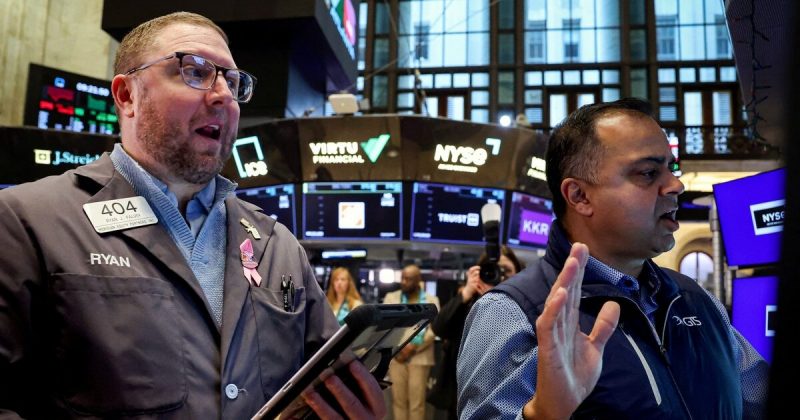
ECB's Inflation Roadmap to 2028: Why Crypto Markets Need to Watch Closely
As inflation stabilizes, the implications for the crypto market are profound, potentially triggering shifts in interest rate expectations and risk appetite. Investors must monitor this ECB roadmap closely, as the transition toward lower inflation often dictates the macro environment necessary for digital asset bull runs and increased capital inflows.

Wall Street Fractures: Goldman Sachs Breaks Ranks as CLARITY Act Reshapes Crypto Regulation
In a surprising turn of events, Goldman Sachs is breaking away from traditional banking stances, while industry heavyweight Charles Hoskinson has signaled support for Senator Warren. This legislative tug-of-war over crypto regulation is set to determine whether the future of digital assets remains decentralized or falls under strict federal oversight.

The Great Rotation: Is Capital Shifting from AI Back to Crypto?
This rotation is fueled by investors distinguishing between AI hype and sustainable earnings, alongside a recovery in digital asset demand. As the Philadelphia Semiconductor Index enters a technical bear market, the combination of improving regulatory clarity—potentially via the CLARITY Act—and easing AI enthusiasm is creating a highly constructive backdrop for the next crypto cycle.

Victory or Half-Measure? White House Urges Dems to Accept Trump's Crypto Limits
Despite this progress, a rift is forming as many Democrats argue that the current restrictions under the Clarity Act fall short of true accountability. As the battle over crypto regulation intensifies, the outcome will heavily influence how digital assets are governed and how executive transparency is maintained in the U.S.
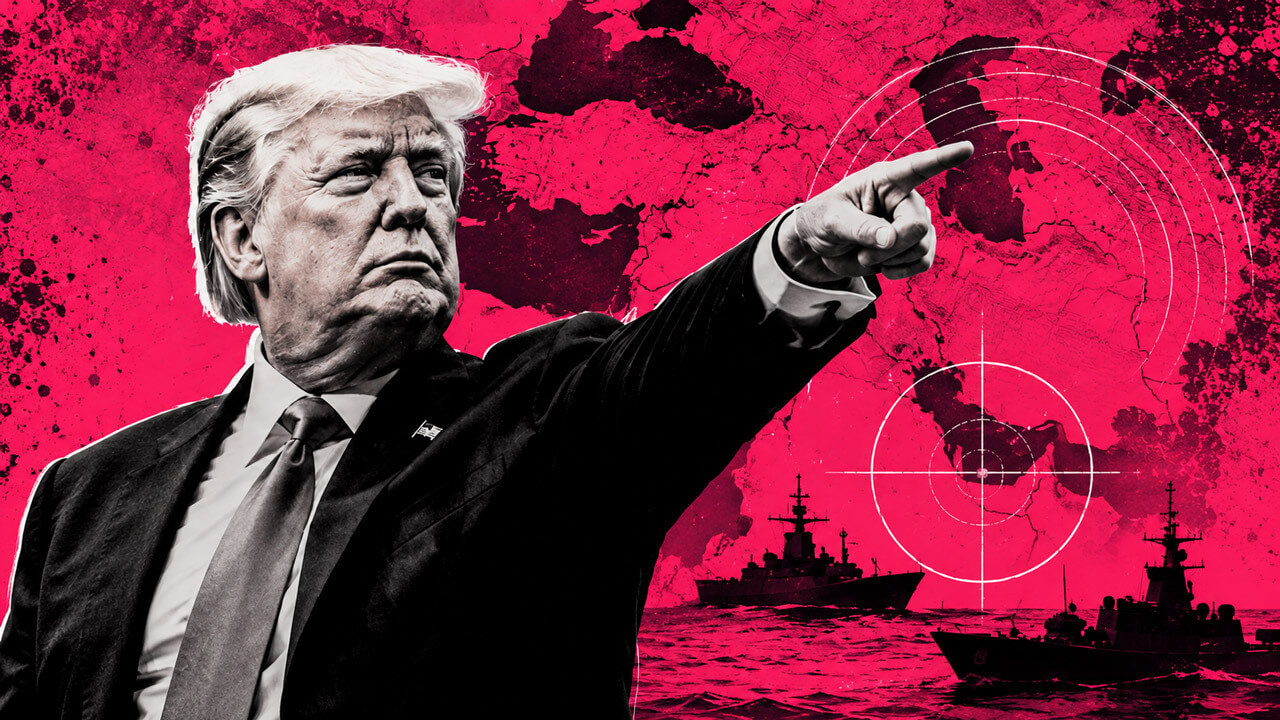
Bitcoin Plummets Below $65,000 as Oil Surges Over $100 Amid Trump-Iran Tensions
Geopolitical friction has reached a boiling point, with Trump threatening Iran following tanker attacks that pushed Brent crude above the $100 mark. As oil prices climb toward weekly gains of 10%, the resulting inflationary fears and risk aversion are driving significant downward pressure on Bitcoin and the broader digital asset landscape.

Crypto as Your Hotel Key: Flyfi Disrupts Travel for Token2049 and Devcon 8
This move bridges the gap between digital assets and real-world utility, solving the common headache of booking accommodation at massive blockchain conferences. As the industry moves toward mass adoption, Flyfi’s model demonstrates how crypto can serve as a functional medium of exchange for high-end services while maintaining the core principle of user anonymity.
