The XRP Mystery: Why Ripple Failed to Break $3.65 One Year Later

Ripple (XRP) hit a massive peak of $3.65 exactly one year ago, yet the price action has failed to mirror the ecosystem's rapid evolution. This intel brief dissects the disconnect between the token's market performance and the fundamental developments driving the Ripple network.
Despite the recent token crash, the past year has been defined by high-stakes movements, including potential ETF launches and major strategic acquisitions. These developments suggest that while the price remains suppressed, the underlying infrastructure and institutional adoption of the Ripple ecosystem are reaching new heights.
Ripple (XRP) peaked at $3.65 exactly one year ago, leaving the crypto community asking: what went wrong? While the token price has faced a significant crash, the Ripple ecosystem has remained incredibly active. The past twelve months have seen a flurry of activity, ranging from intense speculation regarding an XRP ETF to major acquisitions designed to bolster the network's capabilities.
As investors grapple with price volatility, the broader narrative focuses on institutional integration. Examining the past year shows that despite the downward pressure on XRP, the fundamental growth of the Ripple ecosystem continues to build momentum through strategic expansion and technological milestones.
This is a summarized and adapted version by Artificial Intelligence. To read the complete original story, visit the official source.
Read Full Article at CryptoPotatoSupport Jornal Bitcoin
Independent journalism, curated by AI, no clickbait. Keep the flame alive with any amount of BTC.
jonata@walletofsatoshi.comDaily Crypto Brief 📬
Subscribe to receive the curation of the most important Bitcoin and crypto news, summarized by AI. No spam.
Join more than 10,000 smart readers.
Related News

Institutional Surge: Avalanche (AVAX) Secures BlackRock Interest Despite Market Dip
This strategic pivot toward RWA and enterprise use cases provides a fundamental buffer against current market volatility. While the AVAX price currently sits at $6.48, the underlying momentum driven by institutional adoption suggests a long-term structural shift in how blockchain technology is integrated into global finance.
Race Against the Clock: House Debates Crypto Clarity Act, Eyes Trump's Approval Before Recess
As the industry awaits definitive guidance, the impact of this act cannot be overstated. With historical projections suggesting a 30.5% approval threshold for its implementation by 2026, the successful passage of the Crypto Clarity Act would provide the institutional certainty required to drive mass adoption and stabilize the volatile crypto market landscape.
The $1.9 Trillion Test: T. Rowe Price Challenges Crypto ETF Skepticism
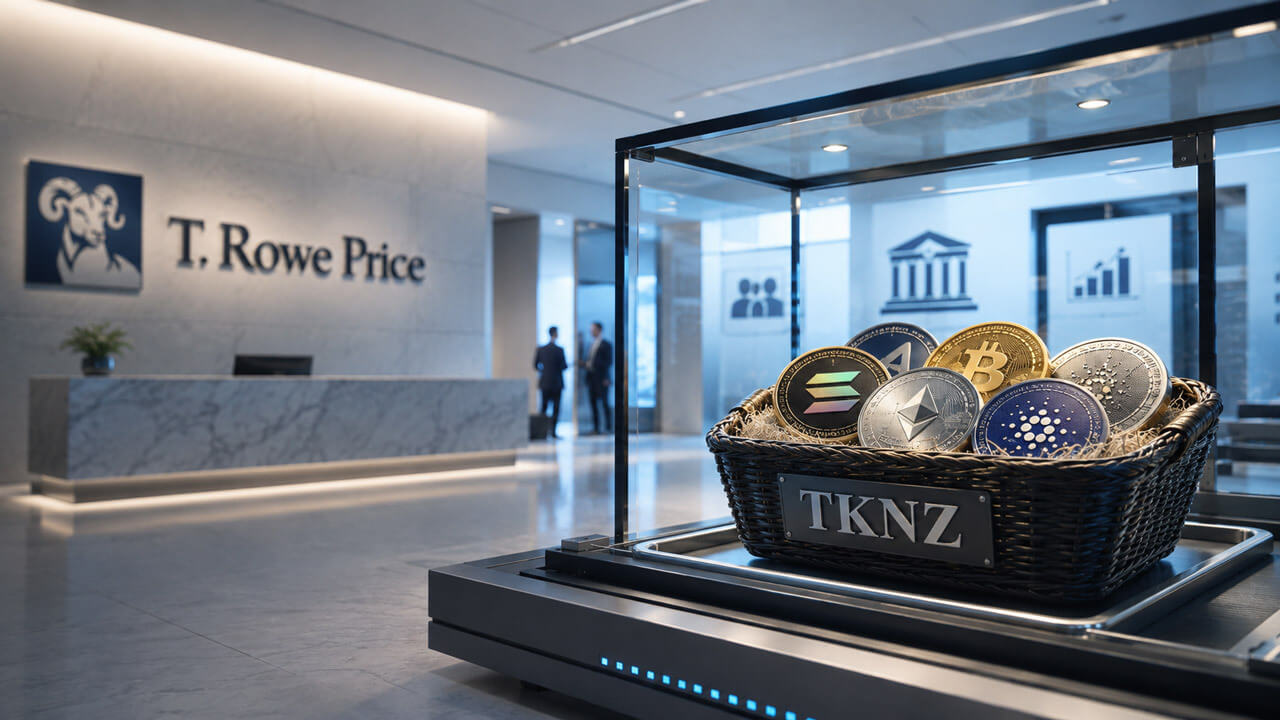
With 66% of its assets tied to retirement accounts and institutional advisers, T. Rowe Price is targeting the core demographic the crypto industry has spent years trying to penetrate. The performance of TKNZ on the NYSE Arca will serve as a critical litmus test for institutional appetite regarding diversified digital asset products.

“We will approve it”: US Crypto Law Faces Decisive Test Over Trump’s Business Interests
This legislative battle is more than just a procedural hurdle; it represents a critical junction for market stability and institutional adoption. The outcome will determine whether the US can provide the legal certainty required by major players or if political entanglement will continue to stall the progress of much-needed crypto regulations.

Middle East Escalation: Iran Vows Sustained Strikes to Force Regional Stability
As the threat of prolonged conflict looms, market analysts are closely monitoring the potential for regime instability, with some projections eyeing significant political shifts by late 2026. For the crypto market, such geopolitical volatility often serves as a catalyst for increased interest in decentralized assets as hedges against traditional instability.
AI Hype Fades: Bitcoin Now Less Volatile Than South Korean Stocks
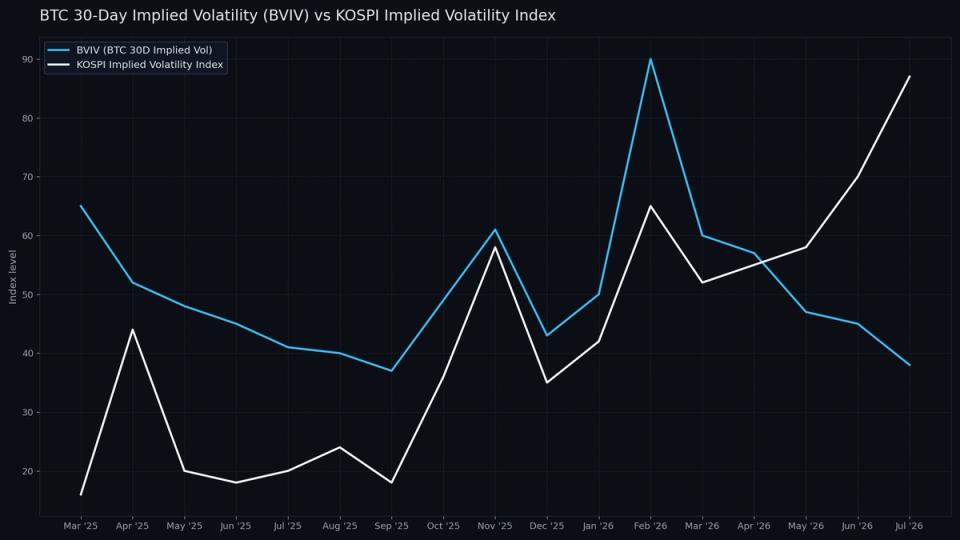
This trend highlights a decoupling from the tech-driven volatility that previously dominated market sentiment. As the AI narrative cools, Bitcoin's reduced volatility suggests a potential maturation phase, offering a different risk profile for institutional and retail investors alike.
