World Cup Chaos: Tuchel benches England's superstars, sending prediction markets into overdrive

Thomas Tuchel's bombshell decision to bench Jude Bellingham and Harry Kane for England's clash against France has sent prediction markets into a frenzy. This sudden tactical shift forced immediate repricing across various platforms, highlighting the intense volatility inherent in prediction markets when faced with high-stakes sporting upsets.
This event marks a significant intersection between global football drama and the booming prediction market sector. As the England lineup shifts, the rapid reaction of traders demonstrates how real-world sporting volatility can directly influence the pricing of decentralized prediction markets and digital asset ecosystems.
World Cup drama meets the prediction market boom as Thomas Tuchel benches England’s biggest stars. By dropping Jude Bellingham and Harry Kane from the starting lineup against France, Tuchel has sent prediction markets scrambling to reprice the match in real-time.
This sudden shift underscores the growing synergy between major sporting events and the rapid-response nature of prediction markets, where unexpected lineup changes can trigger massive shifts in market sentiment and liquidity.
This is a summarized and adapted version by Artificial Intelligence. To read the complete original story, visit the official source.
Read Full Article at Crypto BriefingSupport Jornal Bitcoin
Independent journalism, curated by AI, no clickbait. Keep the flame alive with any amount of BTC.
jonata@walletofsatoshi.comDaily Crypto Brief 📬
Subscribe to receive the curation of the most important Bitcoin and crypto news, summarized by AI. No spam.
Join more than 10,000 smart readers.
Related News

Geopolitical Shock: US Strike on Iranian Plant Triggers Bitcoin Crash and $700M in Liquidations
The strike, which cut off essential water supplies to 10,000 people, has heightened the correlation between Middle East tensions and market volatility. As the humanitarian crisis unfolds, the crypto market faces intense pressure, with investors closely watching how further geopolitical risks might impact Bitcoin liquidity and overall market sentiment.

Betting on Chaos: Polymarket Prices Starmer Exit Before 2027 at 99.4%
This surge highlights the growing influence of decentralized prediction markets in gauging geopolitical stability and political risk. As global election cycles intensify, the massive liquidity flowing into these bets demonstrates how crypto-native platforms are becoming essential tools for real-world political forecasting.
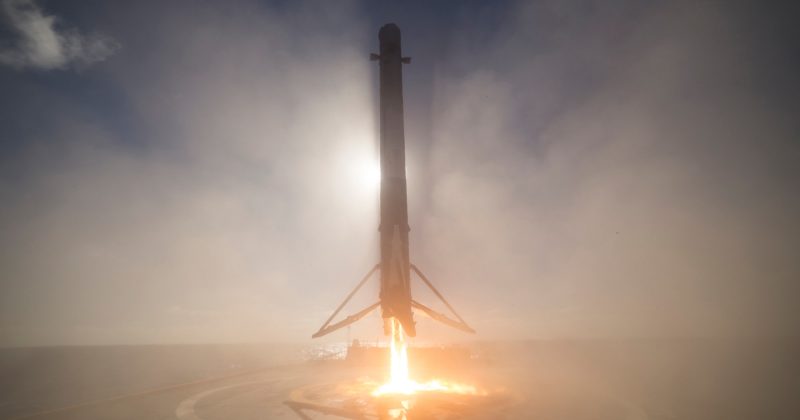
SpaceX IPO Premium Vanishes: What the Price Drop Means for Crypto Risk Appetite
Beyond the aerospace sector, this shift carries heavy implications for global liquidity and risk appetite. As capital flows react to SpaceX's volatility, analysts are watching closely for potential ripple effects that could influence inflows into the crypto market and broader high-risk assets.
Washington Gridlock: Why the CLARITY Act is Still Stuck in the Senate
The continued delay in establishing clear crypto rules leaves the digital asset ecosystem in a state of regulatory limbo. Without decisive Senate action, the lack of legal certainty threatens to stifle blockchain innovation and undermine the United States' position in the global digital economy.

6-4 Madness: England’s World Cup Thriller Sends Fan Tokens Into Hyperdrive
Market activity is being heavily influenced by Chiliz trading surges and Kraken's strategic FIFA sponsorship, highlighting the growing synergy between global sports and blockchain. As fan tokens react to real-world results, the connection between athletic performance and crypto market sentiment becomes increasingly undeniable.

Workforce Collapse? Nouriel Roubini Predicts AI-Driven Socialism and Universal Basic Income
This looming economic shift carries profound implications for global markets and the crypto landscape. As automation threatens traditional employment, the demand for decentralized financial alternatives may surge, positioning crypto as a critical hedge against the fiscal volatility and state-driven interventions that such a radical economic transition would inevitably bring.
