World Cup Heartbreak: Brazil and Mexico Exits Send Fan Tokens Into Freefall

Sports results are driving crypto volatility. The early exits of the Brazil and Mexico national teams from the World Cup have triggered a sharp decline in fan token valuations, leaving holders grappling with sudden market shifts.
This trend underscores the high dependency of fan tokens on real-world team performance. As these digital assets are tied to sporting success, the sudden loss of momentum on the pitch translates into immediate liquidity and price challenges within the broader crypto market dynamics.
The early exits of Brazil and Mexico from the World Cup have sent shockwaves through the fan token market. Holders of these specific digital assets are feeling the sting of the tournament's conclusion, as the loss of competitive momentum leads to a direct hit on token prices.
This situation highlights the inherent volatility and the heavy reliance of fan-based crypto assets on team performance. As the tournament progresses and major teams fall, the impact on crypto market dynamics becomes clear, serving as a cautionary tale for those investing in event-driven utility tokens.
This is a summarized and adapted version by Artificial Intelligence. To read the complete original story, visit the official source.
Read Full Article at Crypto BriefingSupport Jornal Bitcoin
Independent journalism, curated by AI, no clickbait. Keep the flame alive with any amount of BTC.
jonata@walletofsatoshi.comDaily Crypto Brief 📬
Subscribe to receive the curation of the most important Bitcoin and crypto news, summarized by AI. No spam.
Join more than 10,000 smart readers.
Related News
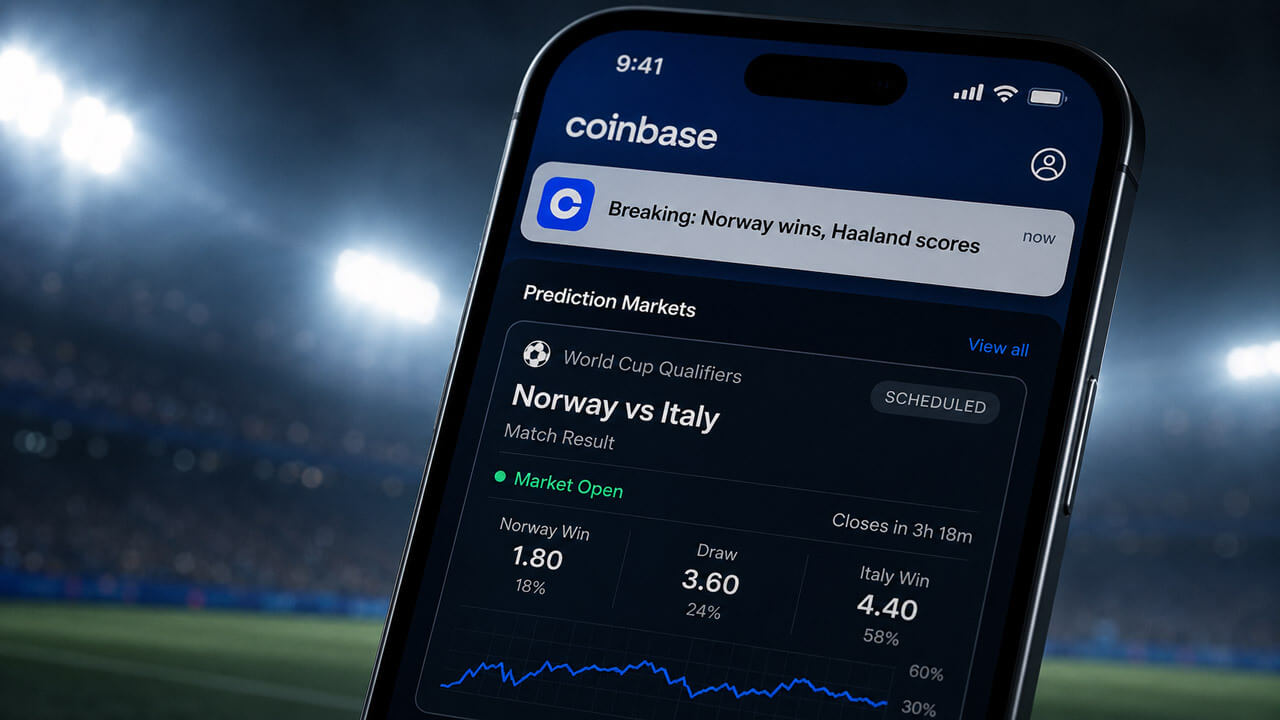
Coinbase World Cup Blunder Exposes Massive Flaw in Prediction Markets
The incident underscores the critical need for clear accountability and verified data streams to prevent misinformation from impacting financial outcomes. As prediction markets continue to integrate into mainstream trading ecosystems, establishing robust mechanisms to validate real-world events will be the deciding factor for institutional and retail adoption.
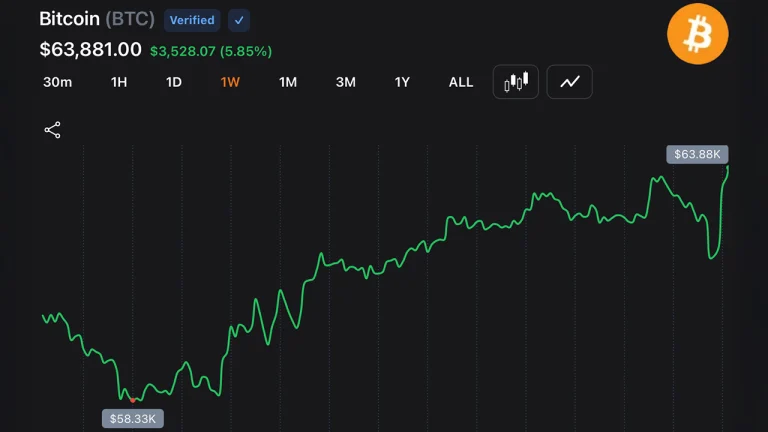
Bitcoin Surges Past $63,500 as $214M Short Squeeze Triggers Massive Rebound
The market volatility was further complicated by a $216 million Bitcoin sale by MicroStrategy, sparking intense debate regarding institutional treasury strategies. Despite this selling pressure, Bitcoin has managed to maintain a nearly 7% gain for early July, demonstrating significant strength amidst high-stakes liquidations and shifting market sentiment.

Money Laundering Crackdown: Brazilian Police Target Illegal Betting Rings Using Crypto
This crackdown highlights the growing intersection between unregulated betting platforms and the crypto market. By targeting these irregular movements, authorities aim to curb the use of digital assets in money laundering schemes and tighten control over the illicit flow of capital within the online gambling industry.

Beyond ETFs: Why Bitcoin Needs Trillions to Trigger the Next Parabolic Run
As ETF demand begins to fade, the market faces a significant liquidity hurdle. For Bitcoin to achieve another parabolic move, the ecosystem requires a trillion-dollar influx of capital, proving that the asset has matured into a market size that demands institutional-grade funding to move the needle.

Crash Warning: Could Bitcoin Plummet to $53K as Exchange Inflows Skyrocket?
Analysts are closely watching these inflows, warning that a massive sell-off could drive the Bitcoin price down to the critical $53,000 support level. This spike in exchange activity serves as a major red flag for traders, highlighting the imminent risk of a sharp price correction in the coming days.

Institutional Split: Bitmine Ramps Up ETH Treasury as MicroStrategy Sells Bitcoin
This rare move by MicroStrategy involves the sale of 3,588 BTC, totaling approximately $216 million, a significant departure from its aggressive Bitcoin accumulation playbook. Meanwhile, Bitmine's ambitious goal to build an $11.1 billion crypto treasury underscores a growing institutional appetite for Ethereum as a core strategic asset.
