The Fatal Institutional Mistake: Why Crypto Tokenization is Failing

Crypto tokenization is hitting a wall due to a reliance on slow, expensive, and siloed legacy settlement layers. Institutions are struggling to bridge the gap because they continue to depend on redundant manual compliance checks that negate the inherent speed and efficiency of blockchain technology.
To unlock true scalability, the industry must shift toward purpose-built Layer 1 blockchain architecture designed for institutional needs. Bridging traditional finance (TradFi) with decentralized infrastructure requires more than just digitizing assets; it demands a complete overhaul of the back-office systems that currently stifle the potential of decentralized finance.
Traditional wealth management is constrained by slow, expensive, and siloed legacy settlement layers that rely on redundant manual compliance checks. Abdul Rafay Gadit discusses how purpose-built Layer 1 blockchain architecture resolves these systemic inefficiencies.
For decades, the back offices of global wealth management have run on a quiet, expensive, and inefficient framework. The core challenge lies in bridging traditional finance and decentralized infrastructure. The mistake institutions keep making is attempting to layer tokenization on top of broken legacy systems rather than embracing a native, decentralized approach to settlement and compliance.
This is a summarized and adapted version by Artificial Intelligence. To read the complete original story, visit the official source.
Read Full Article at Bitcoin.comSupport Jornal Bitcoin
Independent journalism, curated by AI, no clickbait. Keep the flame alive with any amount of BTC.
jonata@walletofsatoshi.comDaily Crypto Brief 📬
Subscribe to receive the curation of the most important Bitcoin and crypto news, summarized by AI. No spam.
Join more than 10,000 smart readers.
Related News

Middle East Escalation: Iran Strikes Saudi Arabia as Geopolitical Tensions Surge
Adding to the complexity, whispers of a potential US-Iran deal in 2026 involving Iran Reconstruction Funding are circulating. The interplay between active military conflict and long-term diplomatic restructuring creates a high-stakes environment for macro traders and digital asset investors alike.
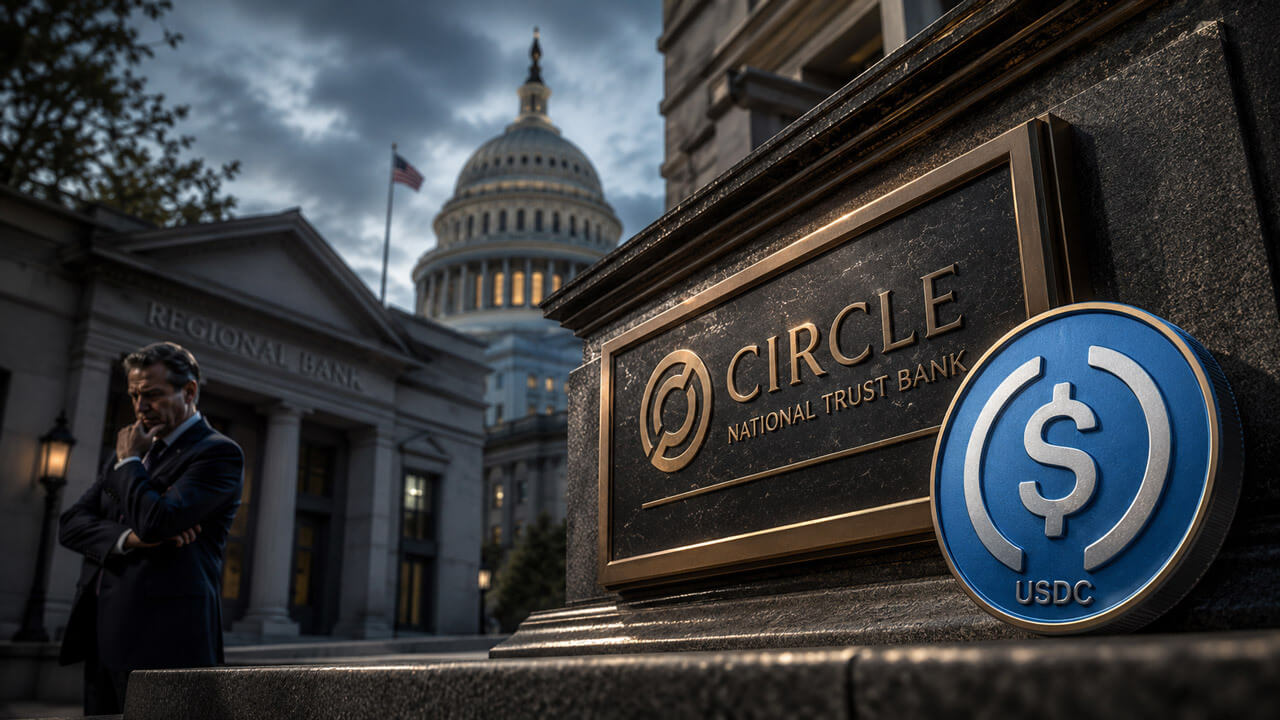
Circle Secures US Federal Bank Status Amid Warnings of $500 Billion Stablecoin Drain
Despite this regulatory victory, a shadow looms over the industry as lenders warn of a massive liquidity shift. Projections suggest that the rapid rise of stablecoins could drain as much as $500 billion from traditional banking systems, creating a tension between the growing legitimacy of digital currencies and the stability of conventional financial institutions.
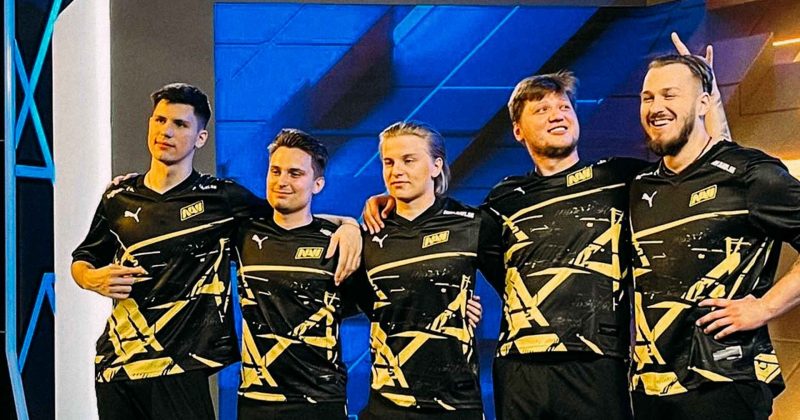
NAVI PH vs. Vitality: MWI 2026 Grand Final Highlights Growing Rift Between Esports and Crypto
As the competitive scene reaches new heights, the disconnect between esports and crypto remains a significant hurdle for brand integration. The outcome of the MWI 2026 will be watched closely, not just for the gameplay, but as a barometer for how much influence digital assets still hold within the global gaming ecosystem.

Chainlink Watch: Analysts Decipher LINK's Tight July Price Consolidation
Monitoring the LINK price action is essential for understanding the broader market sentiment surrounding the Chainlink ecosystem. As trading activity remains subdued, the current price stability could serve as the calm before a significant volatility event, potentially shifting the long-term trajectory for LINK holders.

Ethereum Challenger? BNB Chain RWA TVL Surges to $5.2B Milestone
This surge highlights a growing trend of asset migration as investors seek more efficient environments for on-chain finance. As the RWA sector expands, the massive growth in BNB Chain's TVL suggests that the network is successfully capturing a significant share of the tokenized economy, providing a formidable alternative to the Ethereum-centric landscape.

World Cup Controversy: Falklands Banner Ignites Surge in $ARG Fan Token Interest
Beyond the pitch, the incident underscores the growing influence of the AFA's expanding crypto sponsorship deals on market sentiment. As the intersection of football and blockchain deepens, the $ARG fan token remains at the center of a unique convergence where national identity meets decentralized finance and sports engagement.
