Why Bitstamp's $20 Billion Slump Makes Robinhood Look Weaker Than It Really Is

Bitstamp experienced a staggering 48% drop in trading volume between Q1 and Q2, representing a $20 billion decline. In stark contrast, Robinhood's app showed a significantly smaller 25% decrease, suggesting the retail platform is more resilient than initial metrics might indicate.
This disparity in volume data between the two crypto platforms highlights the importance of analyzing metrics carefully, especially considering Robinhood began including WonderFi trades in June. This inclusion may have partially masked the true strength of the app, making the comparison with Bitstamp even more complex and potentially misleading for crypto market investors and analysts.
This is a summarized and adapted version by Artificial Intelligence. To read the complete original story, visit the official source.
Read Full Article at CryptoSlateSupport Jornal Bitcoin
Independent journalism, curated by AI, no clickbait. Keep the flame alive with any amount of BTC.
jonata@walletofsatoshi.comDaily Crypto Brief 📬
Subscribe to receive the curation of the most important Bitcoin and crypto news, summarized by AI. No spam.
Join more than 10,000 smart readers.
Related News

US Navy enforces Iran blockade with helicopter support, redirects 30 vessels
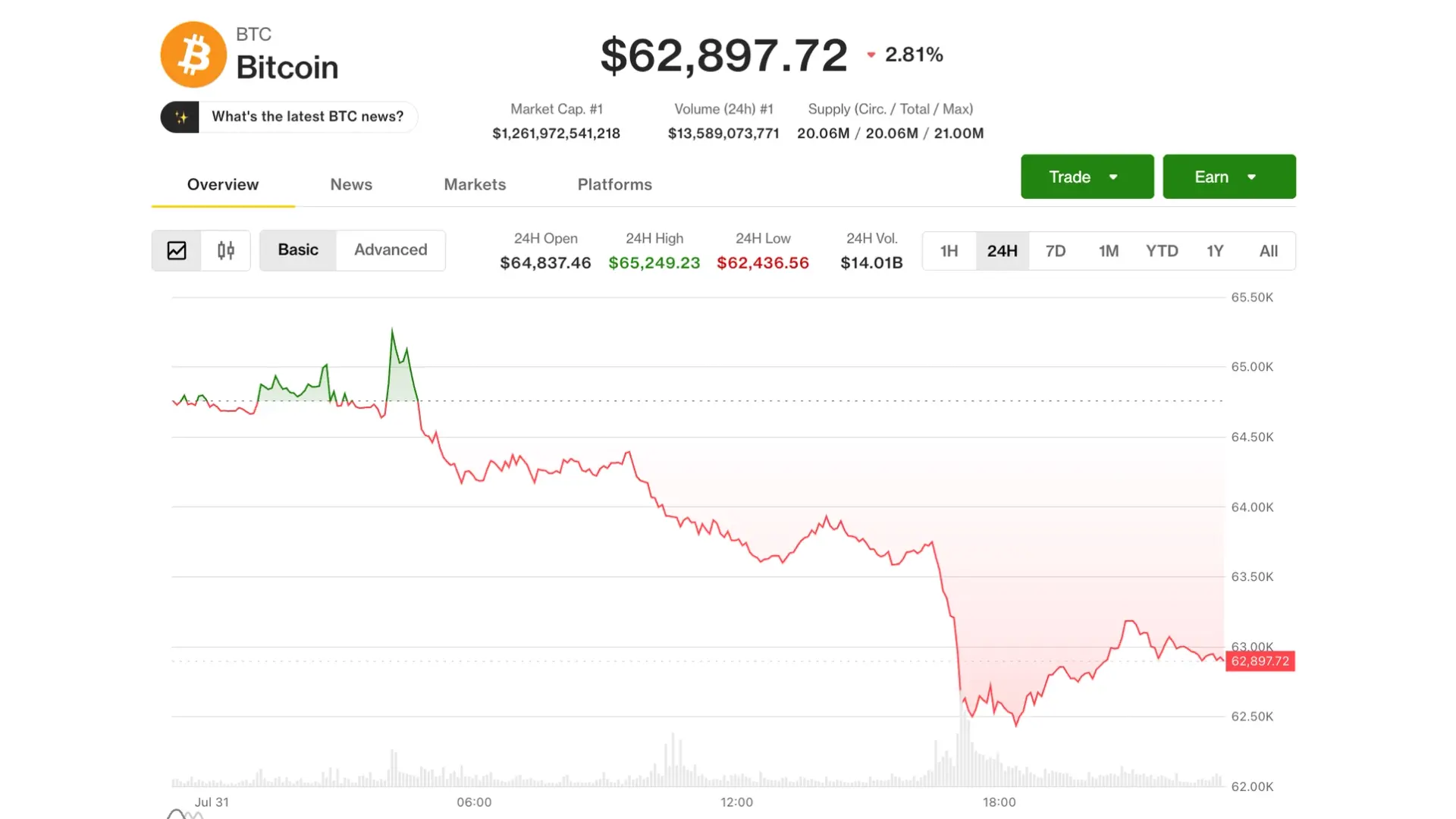
Bitcoin Holds July Gains, Eyes $30K as 'Forced-Selling Fuel Was Already Spent': Analysts
Trader caution remains elevated, with the market watching for upcoming jobs data and potential further interest rate hikes by the Federal Reserve. These macroeconomic factors continue to influence cryptocurrency market sentiment. Despite recent volatility, Bitcoin's ability to sustain its gains amid an adverse environment strengthens the confidence of some investors that the market bottom may have been reached, at least in the short term.

Tether Rakes In $1.5 Billion In Q2 With USDT Growth And Gold Reserves

SecondFi Reaches Out to Hacker Who Stole $16.1M from Cardano with New Bounty

Bank of Italy Study: Stablecoins Offer No Real Cost Advantage for Remittances
The findings challenge the conventional wisdom positioning cryptocurrencies as inherently superior for remittances, suggesting that true efficiency gains in cross-border payments depend more on reducing friction in currency conversion and payment infrastructure rather than on blockchain technology itself. These insights are critical for regulators and fintech companies evaluating the practical implementation of stablecoins in the global payments landscape, highlighting the need to focus on traditional infrastructure improvements for real efficiency gains.

Microsoft, Amazon, and Google Add $1.5T in Market Cap in Single Week
The phenomenon reflects a fundamental shift in market valuation perception, where AI technology bets are generating extraordinary returns for shareholders. This movement not only strengthens the dominant position of tech companies but may also have significant implications for broader risk assets, including cryptocurrencies and other growth sectors, as capital flows toward the most promising innovations in the market.
