Wells Fargo Refuses to Reimburse Teacher After $9,000 Scam

A disturbing case of banking fraud has emerged in the United States where Wells Fargo refused to reimburse a teacher after scammers drained nearly $9,000 from her account. The victim, Jayme Eubanks, was deceived by criminals posing as the bank's fraud department, convincing her to transfer money while pretending to protect her account from alleged suspicious activity. The ordeal began with a simple text message asking if the teacher recognized a charge on her bank account. According to WBRC News reports, she responded and soon received a call from someone identifying themselves as a Wells Fargo employee. The scammers then manipulated the teacher, making her believe her account was at risk and that she needed to move money to a 'secure account' to protect it. After the transfer, Jayme realized she had been scammed, but Wells Fargo refused to reimburse the lost amount. This case raises important questions about banks' responsibilities in protecting clients from digital fraud and the need for better verification protocols.
This is a summarized and adapted version by Artificial Intelligence. To read the complete original story, visit the official source.
Read Full Article at The Daily HodlSupport Jornal Bitcoin
Independent journalism, curated by AI, no clickbait. Keep the flame alive with any amount of BTC.
jonata@walletofsatoshi.comDaily Crypto Brief 📬
Subscribe to receive the curation of the most important Bitcoin and crypto news, summarized by AI. No spam.
Join more than 10,000 smart readers.
Related News
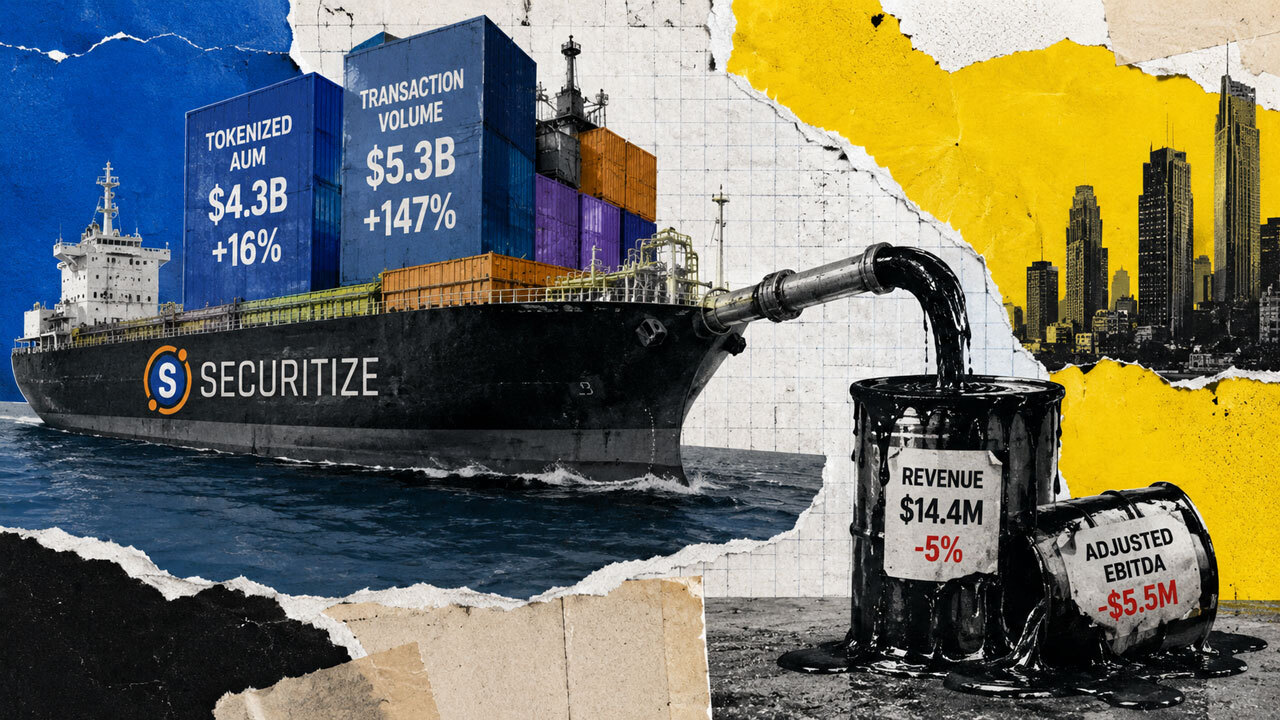
Tokenized Assets Surge 147%, But Revenue Plummets: Is Securitize's Business Model Sustainable?
The disparity between growing tokenized assets and decreasing revenue represents a critical challenge for the decentralized finance sector. With tokenized assets, digital securities, and digital assets gaining traction, the industry urgently needs to develop more efficient revenue models to keep pace with rapid technology adoption. Securitize's situation serves as a warning to other blockchain and DeFi companies about the importance of aligning growth with profitability.

Georgia Businessman Accused of $24M Bank Fraud Using Forged Documents

White House Hires Cyber Privateers to Hunt Down Pig Butchering Scams

Coldcard Hack Exposes Fatal Flaw: Reputation Isn't Security
The crypto community, historically built on principles of verification and decentralization, has seen its trust shaken as a single point of failure compromised the ecosystem. This incident not only questions the effectiveness of reputation-based systems but also accelerates the adoption of more robust and distributed security solutions like multisig and independent verification to protect digital assets against future threats.

Wells Fargo Predicts 25 bps Fed Rate Hike This Year Amid Inflation Pressures
As inflation continues to concern investors worldwide, the Fed's decision to tighten monetary policy could lead to reduced global liquidity, negatively impacting risk assets like cryptocurrencies. Financial analysts are closely watching central bank signals, as any monetary tightening tends to devalue riskier assets, including Bitcoin and other digital currencies, potentially reshaping investment strategies across the board.
Major Israeli Bitcoin Exchange Data Breach: 250,000 User Information Exposed
This incident represents one of the largest crypto exchange data breaches in Israeli history, raising serious concerns about information security at regulated platforms. Despite being government-regulated, Bits of Gold has demonstrated vulnerabilities that could impact investor confidence and perceptions of security within Israel's cryptocurrency market. The breach comes at a time of increasing scrutiny on data protection across the blockchain industry.
