Web3 Revolution in Brazil: New Blockchain Projects Aim to Save Native Bees

The Brazilian Web3 ecosystem has reached a new milestone in environmental conservation with the launch of ASF Control and Bee ReFi. These pioneering projects leverage decentralized technology and Regenerative Finance (ReFi) to implement a modern, free management system dedicated to protecting stingless native bees.
By serving as a data oracle for meliponiculturists, ASF Control enables precise management tracking, bridging the gap between traditional farming and the digital economy. This movement highlights the growing impact of blockchain in biodiversity preservation and the expansion of the ReFi movement within Latin America.
ASF Control acts as a vital data oracle for meliponiculturists, providing a modern and free management system. Through this platform, producers can securely record their management practices, allowing the Bee ReFi project to link this data to the broader ReFi ecosystem, ultimately promoting the preservation of stingless native bees through technological incentives and blockchain-backed transparency.
This is a summarized and adapted version by Artificial Intelligence. To read the complete original story, visit the official source.
Read Full Article at LivecoinsSupport Jornal Bitcoin
Independent journalism, curated by AI, no clickbait. Keep the flame alive with any amount of BTC.
jonata@walletofsatoshi.comDaily Crypto Brief 📬
Subscribe to receive the curation of the most important Bitcoin and crypto news, summarized by AI. No spam.
Join more than 10,000 smart readers.
Related News

Solana Priority Fee Overhaul: A Game Changer for Validator Rewards and Token Burn
The implications of this update extend far beyond mere execution speed; it fundamentally alters the incentive dynamics for those securing the network. By balancing validator profitability with the deflationary pressure exerted by the burn mechanism, Solana aims to solidify its standing as a high-performance blockchain, mitigating congestion while attracting investors focused on long-term economic sustainability.
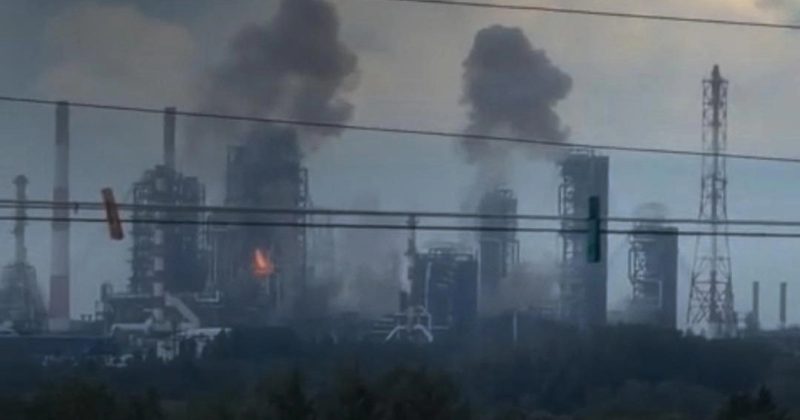
Energy Warfare: Ukraine Strikes Russian Refineries and Fuel Tankers in Massive Offensive
Beyond the immediate battlefield, these strikes could exacerbate Russia's fuel shortages and trigger significant volatility in global energy markets. Such geopolitical instability poses a direct risk to crypto mining economics, as energy price fluctuations can drastically alter the profitability and operational landscape of the digital asset sector.
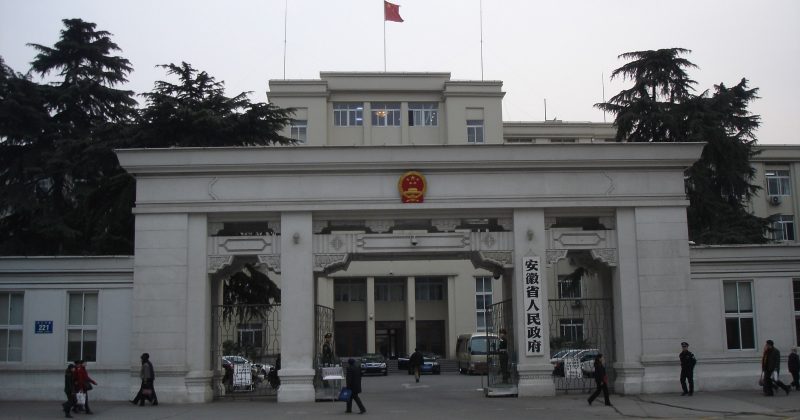
China Debt Milestone: Provinces Near Critical Turning Point in Refinancing Plan
Despite this progress, the broader economic outlook remains cautious as persistent high debt levels and intense fiscal pressures threaten to undermine the plan's long-term impact. The success of this refinancing effort will be a key indicator of China's ability to manage its systemic financial risks in an increasingly volatile global market.

Ukraine Drone Strike on Omsk Refinery Shifts Polymarket Odds for United Russia
As repairs begin on the damaged distillation units, the broader implications for Russian oil production and geopolitical stability remain uncertain. The intersection of drone strikes and market volatility highlights how physical warfare is now directly influencing real-time forecasting and political betting landscapes.

Record-Breaking Deal: LA Galaxy Sells Gabriel Pec to Cruzeiro for Massive $12M Fee
Beyond the immediate revenue, this move highlights the MLS's evolving role in the global soccer market. By successfully exporting Gabriel Pec, the league is proving its ability to reshape player development and sales strategies, positioning itself as a premier destination for scouting and high-value talent redistribution.
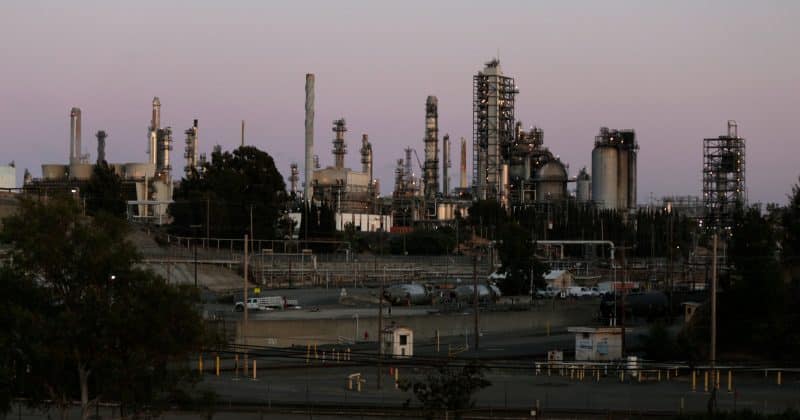
Ukrainian Drone Strike Shuts Down Russia’s Largest Refinery, Fueling Global Energy Supply Fears
The shutdown is set to exacerbate Russia's domestic fuel shortages and could significantly tighten global refined product markets. As energy prices face upward pressure, the market is bracing for increased volatility that may ripple through both traditional commodities and the broader macroeconomic landscape.
