Wall Street Crackdown: Major Banks Ban Staff from Prediction Market Trading

The era of unregulated speculation is facing a massive institutional backlash. Leading Wall Street giants, including Goldman Sachs and Morgan Stanley, are tightening restrictions on employee access to prediction market platforms like Polymarket and Kalshi to prevent potential insider trading.
As event-based contracts gain mainstream traction, the risk of employees leveraging nonpublic information for financial gain has become a top priority for compliance departments. With Bank of America also drafting new prohibitive measures, the banking sector is moving aggressively to insulate itself from the regulatory scrutiny surrounding the rapid rise of prediction markets.
According to reports from CNBC, Goldman Sachs has reportedly banned employees from trading on contracts specific to the bank, including those involving financial markets, macroeconomic events, elections, and geopolitics. While Morgan Stanley maintains existing policies, a spokesperson for Bank of America indicated that the institution is currently developing new prohibitive measures to address the growing risks associated with prediction market trading.
This is a summarized and adapted version by Artificial Intelligence. To read the complete original story, visit the official source.
Read Full Article at CoinTelegraphSupport Jornal Bitcoin
Independent journalism, curated by AI, no clickbait. Keep the flame alive with any amount of BTC.
jonata@walletofsatoshi.comDaily Crypto Brief 📬
Subscribe to receive the curation of the most important Bitcoin and crypto news, summarized by AI. No spam.
Join more than 10,000 smart readers.
Related News

TrueDAO Secures $10M Strategic Funding to Revolutionize AI-Driven Financial Infrastructure
This funding round is expected to drive massive innovation within the DeFi space, allowing TrueDAO to refine its algorithmic models and expand its technological footprint. By bridging the gap between AI and decentralized finance, the project aims to solve complex liquidity and governance challenges facing the modern crypto market.
MicroStrategy vs. Binance: Who is Holding More Unrealized Bitcoin Losses?
This divergence underscores the massive gap between exchange liquidity and institutional treasury strategies. As Bitcoin prices fluctuate, the scale of these unrealized losses will serve as a critical barometer for institutional sentiment and long-term market stability.
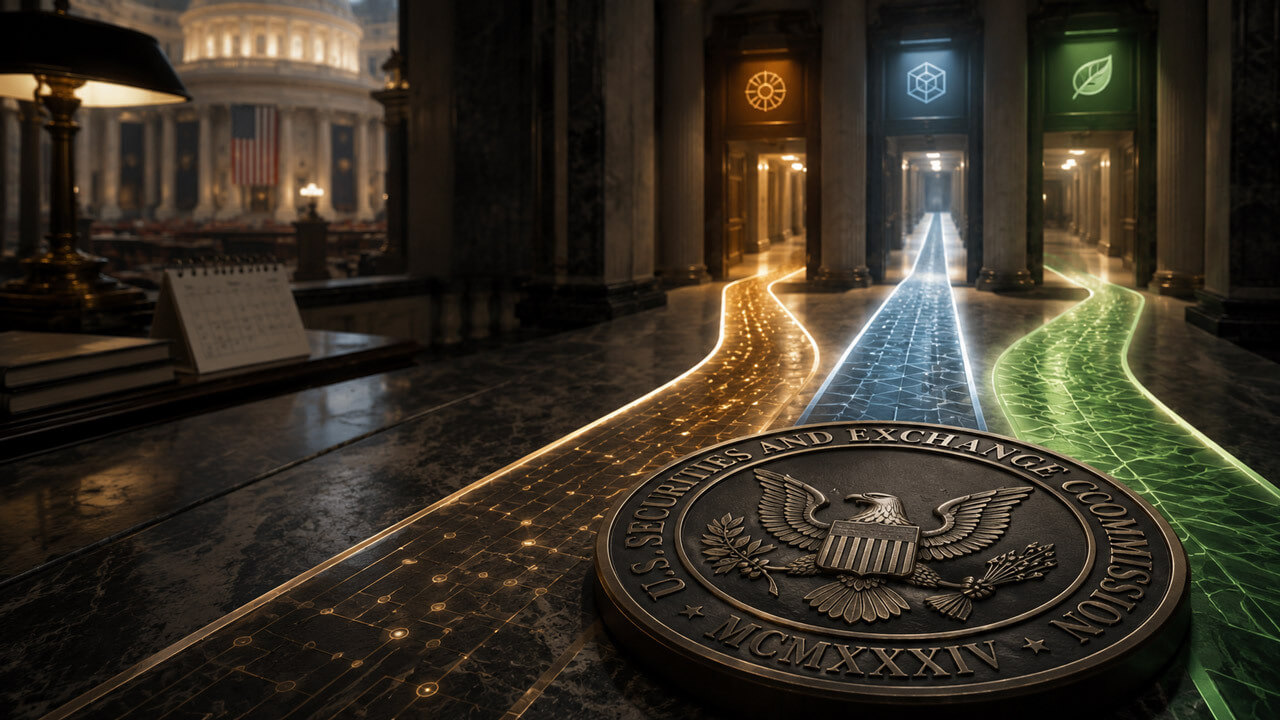
Regulatory Race: SEC May Draft Crypto Rules Ahead of Critical Senate CLARITY Vote
This preemptive strike by the SEC could fundamentally reshape the crypto market landscape, forcing industry participants to navigate a complex web of compliance before the Senate meets its August 7 deadline. As the race for legislative clarity intensifies, the agency's proactive stance underscores a growing tension between regulatory enforcement and formal lawmaking.

SEC Shake-up: Paul Knight Appointed as New Chief Operating Officer
While the appointment might appear to be a routine administrative update, it carries weight within the broader regulatory landscape. The impact of Knight's leadership will be felt in how the SEC manages its internal resources to tackle complex enforcement actions and regulatory challenges involving digital assets and blockchain technology.

Regulatory Crackdown? Brazilian Ministry of Finance Summoned Over Polymarket and Kalshi Legality
This development highlights growing scrutiny over decentralized prediction markets and the integration of crypto assets in speculative environments. The outcome of this inquiry could set a major precedent for how Brazil regulates international prediction sites and the broader crypto ecosystem in the near future.
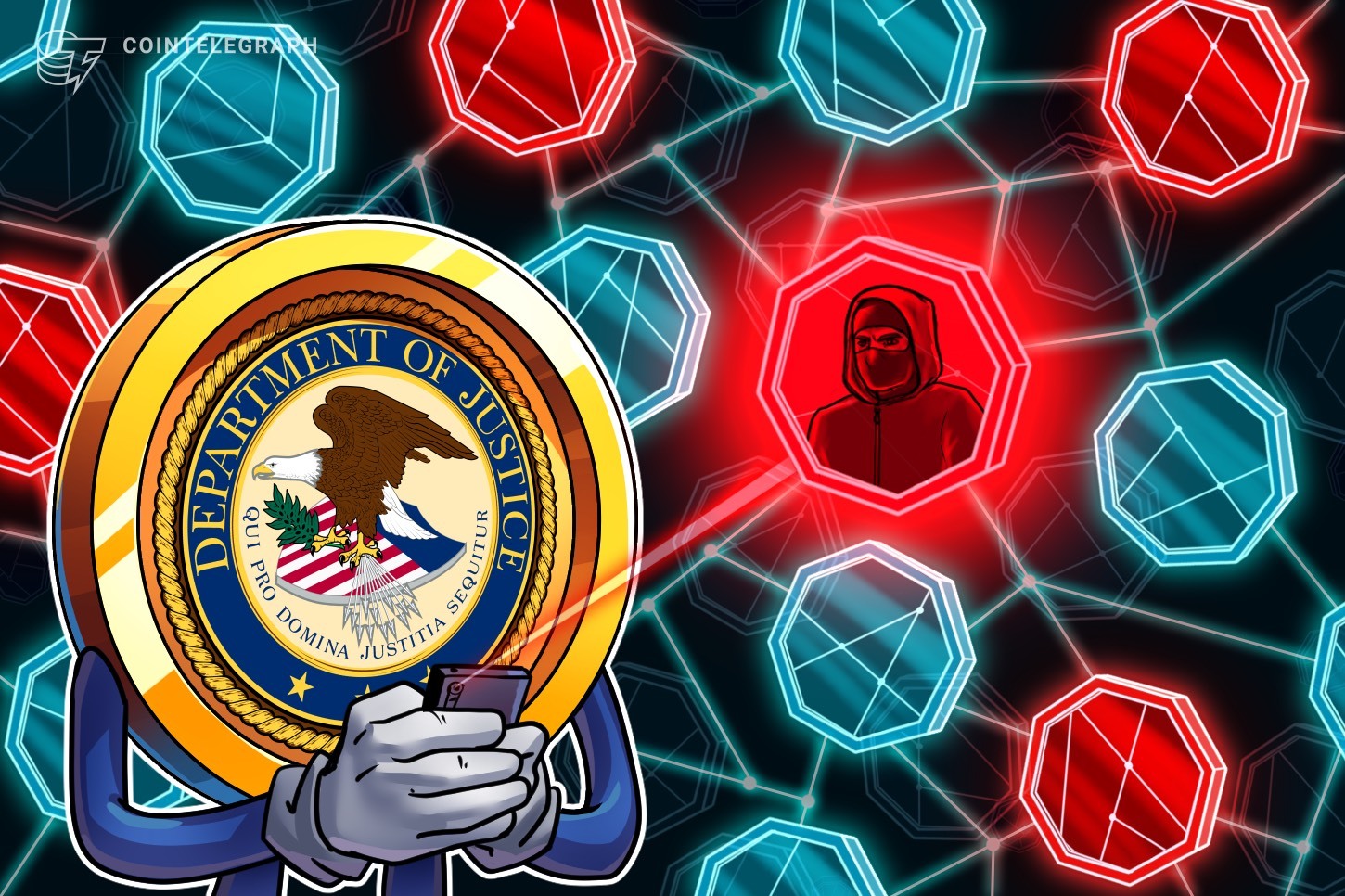
Crypto Laundering Fail: US Charges Inmate for Attempting to Steal Seized Kraken Assets
This legal crackdown highlights the increasing difficulty of evading federal authorities through crypto exchanges and mixers. The Department of Justice's intervention serves as a critical reminder that attempting to move crypto assets following a forfeiture order can trigger fresh criminal charges, regardless of existing convictions.
