Wall Street's $407 Million Move to Build Crypto's Missing Collateral Layer
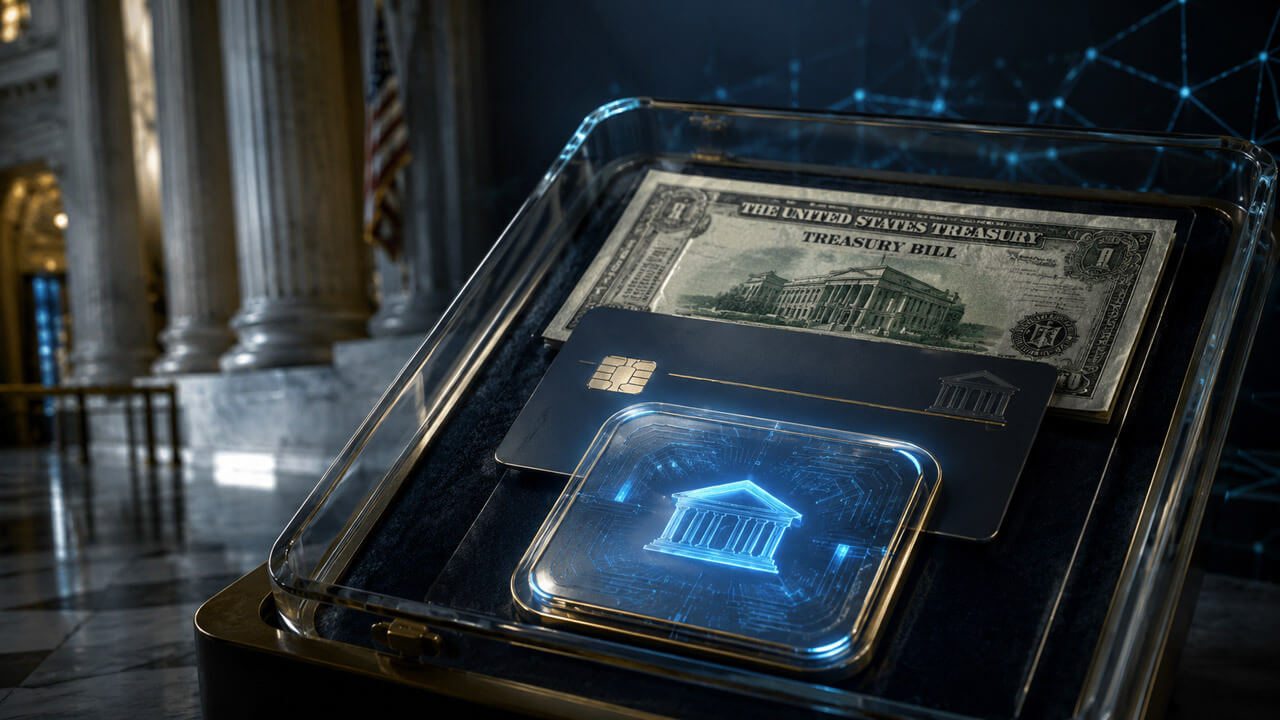
A massive $407 million Treasury fund is signaling a paradigm shift as Wall Street constructs the critical collateral layer missing from the crypto ecosystem. The rise of tokenized sovereign debt is no longer just a theoretical concept, but a functional reality driven by tokenized government money funds and programmable transfer rails.
By integrating onchain ownership records with traditional government paper, institutional players are creating the liquidity backbone required for digital markets to scale. This strategic move to turn sovereign debt into usable digital collateral marks the definitive convergence of traditional finance and decentralized markets.
This is a summarized and adapted version by Artificial Intelligence. To read the complete original story, visit the official source.
Read Full Article at CryptoSlateSupport Jornal Bitcoin
Independent journalism, curated by AI, no clickbait. Keep the flame alive with any amount of BTC.
jonata@walletofsatoshi.comDaily Crypto Brief 📬
Subscribe to receive the curation of the most important Bitcoin and crypto news, summarized by AI. No spam.
Join more than 10,000 smart readers.
Related News

Crypto Crossroads: Pakistan Regulator Seeks Dialogue After Islamic Scholar Rules Against Crypto Payments
The regulatory push aims to ensure that blockchain technology, stablecoins, and tokenized real-world assets (RWAs) undergo a rigorous technical assessment alongside Shariah examination. By advocating for a multi-faceted approach, the PVARA hopes to protect citizens from financial fraud and exploitation while finding a legal pathway for digital asset integration within the country's unique economic framework.
The Fed Liquidity Signal That Predicted Bitcoin’s Top 8 Months Early
This liquidity insight provides vital context for the price action that saw Bitcoin hit $126,000 in October 2025 before crashing 30% by December. For traders navigating the volatility of the crypto market, monitoring Fed liquidity and T-bill issuance is becoming an essential strategy to forecast major trend reversals.
Grayscale Unveils 5 Crypto Networks Set to Lead the Equity Tokenization Wave
The research emphasizes that the long-term outlook for tokenization hinges on which ownership model ultimately dominates the market. As the industry moves through distinct phases of development, the interplay between these blockchain networks will dictate the efficiency and structure of the future digital securities landscape.
Ripple Swell 2026: The Massive Convergence of Traditional Finance and the XRP Ecosystem
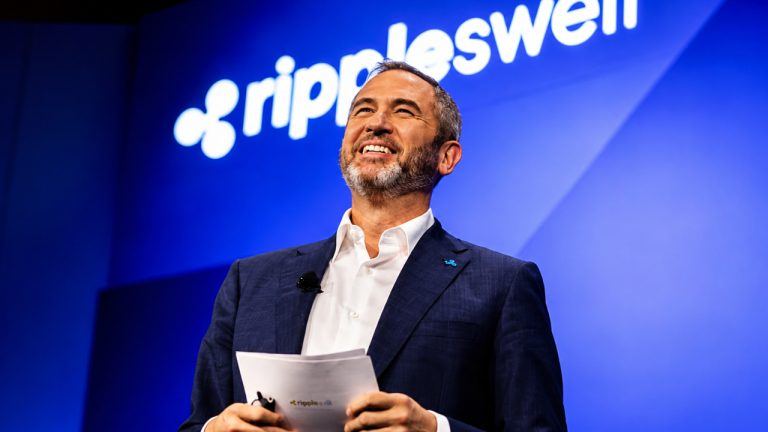
As the event scales up, the implications for the XRP ecosystem are profound. By fostering direct dialogue between institutional players and blockchain pioneers, Ripple Swell 2026 aims to solidify the bridge between legacy banking systems and the future of decentralized digital assets.

Innovation Bottleneck: Why Regulation is Stalling Real-World Asset Tokenization in Brazil
This regulatory gap creates a disconnect between technical capability and legal feasibility, stifling the growth potential of Brazil's digital economy. As real-world asset (RWA) tokenization gains global momentum, Brazil faces the critical challenge of balancing legal certainty with the need to foster technological innovation within the crypto ecosystem.

Anthropic Dominates: Polymarket Odds Project Massive Win in AI Model Race
This surge in AI dominance coincides with a massive hardware expansion, as a key AI-linked memory-chip supplier debuted on Wall Street, raising $26.5 billion. With DRAM and high-bandwidth memory (HBM) shortages projected to last until 2030, the race for AI supremacy is increasingly becoming a battle for semiconductor supply chains.
