Ethereum's Stand: Lubin Defends Layer 1 Fees Amid Rising Competition from Robinhood Chain

Vitalik Buterin (Lubin) has issued a strategic defense of Ethereum Layer 1 fees, directly addressing the growing debate surrounding the emergence of competitors like the Robinhood Chain. This stance highlights a commitment to Ethereum's long-term growth and network integrity, prioritizing a robust foundation over the race to the bottom in transaction costs.
This defense is set to reshape market sentiment and the competitive dynamics within the blockchain space. By doubling down on the current fee structure, Lubin is signaling that Ethereum's value proposition lies in its security and decentralization, challenging the narrative that low-cost chains are the sole drivers of mass adoption.
The move comes at a critical juncture for the crypto ecosystem, where the competition between Layer 1 networks and scaling solutions is reaching a fever pitch. Lubin's position not only impacts market sentiment but also recalibrates the competitive dynamics of the entire blockchain industry.
This is a summarized and adapted version by Artificial Intelligence. To read the complete original story, visit the official source.
Read Full Article at Crypto BriefingSupport Jornal Bitcoin
Independent journalism, curated by AI, no clickbait. Keep the flame alive with any amount of BTC.
jonata@walletofsatoshi.comDaily Crypto Brief 📬
Subscribe to receive the curation of the most important Bitcoin and crypto news, summarized by AI. No spam.
Join more than 10,000 smart readers.
Related News

Polymarket Odds Explode: 93.5% Chance of July Fed Hold as CPI Cools Inflation Fears
This development provides a crucial tailwind for the crypto market and risk assets. As the CPI eases pressure on the Federal Reserve to tighten monetary policy, the market is pivoting toward expectations of a more dovish stance, potentially reshaping liquidity flows in the coming months.
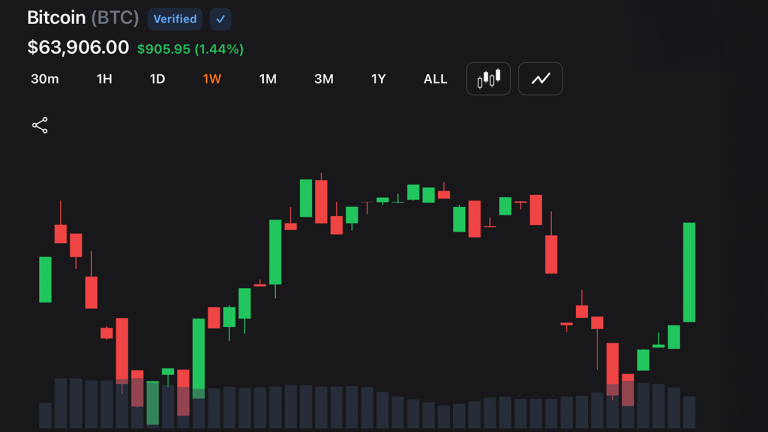
Cool CPI Print Ignites Market Rebound: Bitcoin, Gold, and Stocks Rip Higher
Despite the geopolitical tension stemming from the naval blockade of Iranian ports and strikes near the Strait of Hormuz, the macroeconomic relief is taking center stage. Investors are reacting to the cooling inflation by pivoting back into risk assets and hedges, creating a high-volatility environment where crypto and precious metals are leading the charge.

Dormant 2018 Bitcoin Whale Awakens: $188 Million Transfer Sparks Market Alert
This sudden activity from long-term holders raises significant questions regarding potential market volatility. As analysts track this unlabeled address, the movement of such a substantial amount of BTC could signal a major profit-taking event or a strategic shift by one of the market's oldest players.

Forget 24/7 Liquidity: Fidelity Reveals the Real Reason Pension Funds Want Tokenization
By leveraging tokenization, pension funds and massive financial entities can streamline capital allocation and enhance oversight. This strategic shift indicates that the integration of digital assets into traditional finance will be driven by the need for superior treasury management and optimized asset control rather than mere market accessibility.

Israel's Lebanon Withdrawal: Could Lower Geopolitical Risk Fuel a Crypto Rally?
A de-escalation in the Middle East may shift investor sentiment from defensive postures to aggressive growth. As geopolitical risk premiums subside, we could see a surge in capital flowing into speculative assets, providing much-needed momentum for the broader crypto ecosystem.
ETF Bloodbath: BlackRock and Fidelity Drive $425M Exodus from Bitcoin Funds
The broader market felt the chill, with Ether funds losing $15.41 million and Solana and XRP products seeing zero trading activity. According to Glassnode, the current ETF trading volume sits 78% below its historical peak, highlighting a significant liquidity drought and a subdued trading environment for digital assets.
