Payment Giants Unite: Visa, Mastercard, and Ripple Back Coinbase's x402 Protocol

The digital payment landscape is shifting as the x402 protocol gains massive institutional momentum. Originally built by Coinbase and released as an open-source standard, x402 has secured backing from industry titans including Visa, Mastercard, and Ripple, marking a new era for blockchain-based settlements.
Data reveals a staggering scale of operations, with the protocol settling roughly $24 million across 75 million payments last month. As agent payments average just 32 cents, the widespread adoption of x402 is set to redefine transaction efficiency and micro-payment infrastructure globally.
The x402 protocol, an open-source innovation developed by Coinbase, is rapidly becoming a cornerstone of the financial sector. Forty companies now govern the protocol, which has garnered significant backing from industry leaders such as Visa, Mastercard, and Ripple. In the past month alone, the network settled approximately $24 million across 75 million individual payments.
This surge in activity highlights the protocol's ability to handle high-frequency, low-value transactions, with agent payments averaging just 32 cents. The combination of Coinbase's architecture and the support of global payment giants positions x402 as a vital infrastructure for the future of decentralized finance.
This is a summarized and adapted version by Artificial Intelligence. To read the complete original story, visit the official source.
Read Full Article at CoinDeskSupport Jornal Bitcoin
Independent journalism, curated by AI, no clickbait. Keep the flame alive with any amount of BTC.
jonata@walletofsatoshi.comDaily Crypto Brief 📬
Subscribe to receive the curation of the most important Bitcoin and crypto news, summarized by AI. No spam.
Join more than 10,000 smart readers.
Related News
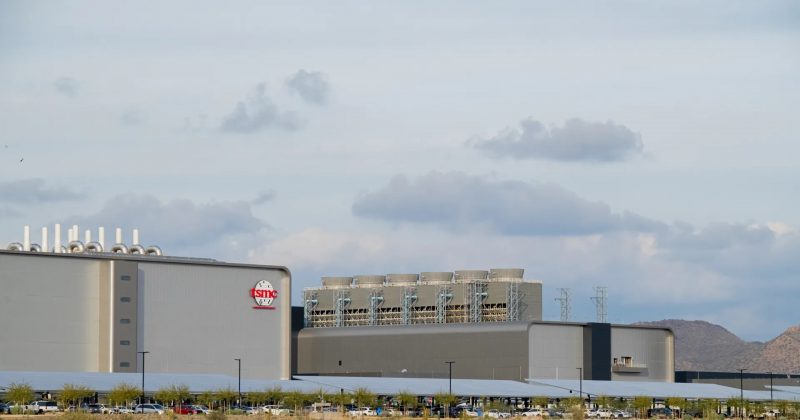
Semiconductor Giant: TSMC Boosts US Investment Plan to a Massive $265 Billion
This massive investment could reshape global semiconductor supply chains, effectively reducing geopolitical risks that have long threatened the tech industry. As hardware demand surges, this expansion ensures a more resilient flow of critical components necessary for everything from AI to the high-performance computing required by the crypto ecosystem.

Polymarket Surge: Messi Odds Skyrocket to 41% for 2026 Ballon d’Or
The rapid climb in betting probability underscores the increasing liquidity and engagement within the crypto-prediction ecosystem. As users leverage blockchain technology to hedge or speculate on global events, platforms like Polymarket are becoming essential hubs for high-volatility sports markets and decentralized finance integration.

Polymarket Odds Explode: Messi Hits 90% Probability for 2026 World Cup Golden Ball
This bullish sentiment follows recent match analyses where Messi's tactical brilliance was on full display, specifically his ability to deliver game-changing assists under pressure. As the intersection of sports betting and blockchain technology deepens, the massive liquidity and engagement seen on platforms like Polymarket are setting new benchmarks for how the world anticipates major milestones.

Nvidia Strikes Strategic Deal with Japanese Robotics Firms to Supercharge AI
The implications of this partnership are vast, with the potential to revolutionize healthcare, manufacturing, and critical infrastructure. By merging Japanese engineering excellence with Nvidia's AI prowess, the industry is bracing for a massive leap in intelligent automation and global technological integration.

Saylor’s $55 Billion Bitcoin Bet Sinks $9.9 Billion Underwater: Why He Is Hoarding $3 Billion in Cash
This tactical shift is designed to provide a buffer against crypto market volatility. By pairing a massive BTC stockpile with significant liquidity, Saylor aims to navigate the bear market and strengthen the company's financial resilience amidst fluctuating digital asset prices.
Red Alert: CryptoQuant Warns of Massive Deleveraging Risk as Exchange Leverage Hits Extremes
This excessive leverage heightens the probability of rapid market downturns, potentially triggering a cascade of liquidations. For investors, this means that even a minor price correction could lead to significant losses as the market forcedly flushes out over-leveraged positions.
