Solving the 'Day-One Dropout': Virtuals Protocol Unveils Hyperboost to Fix Token Engagement

Virtuals Protocol has officially introduced Hyperboost, a targeted mechanism designed to tackle the industry-wide 'day-one dropout' problem. By implementing a sophisticated dual-incentive model, the protocol aims to stabilize token engagement and prevent the immediate liquidity drains typical of new crypto launches.
While the initiative offers a potential lifeline for sustained activity, market analysts remain cautious about its long-term efficacy. The primary concern is whether Hyperboost will foster genuine interest or simply act as a temporary buffer that delays inevitable trading drop-offs.
Virtuals Protocol has introduced Hyperboost to solve crypto’s notorious day-one dropout problem, addressing the rapid loss of momentum seen in new token launches. The protocol's dual-incentive model is engineered to sustain token engagement and provide a more stable environment for early adopters.
However, the strategy is not without its critics. While Hyperboost could effectively maintain activity levels, there are concerns that it might merely delay trading drop-offs rather than cultivating the genuine, long-term interest required for a project's lasting success.
This is a summarized and adapted version by Artificial Intelligence. To read the complete original story, visit the official source.
Read Full Article at Crypto BriefingSupport Jornal Bitcoin
Independent journalism, curated by AI, no clickbait. Keep the flame alive with any amount of BTC.
jonata@walletofsatoshi.comDaily Crypto Brief 📬
Subscribe to receive the curation of the most important Bitcoin and crypto news, summarized by AI. No spam.
Join more than 10,000 smart readers.
Related News
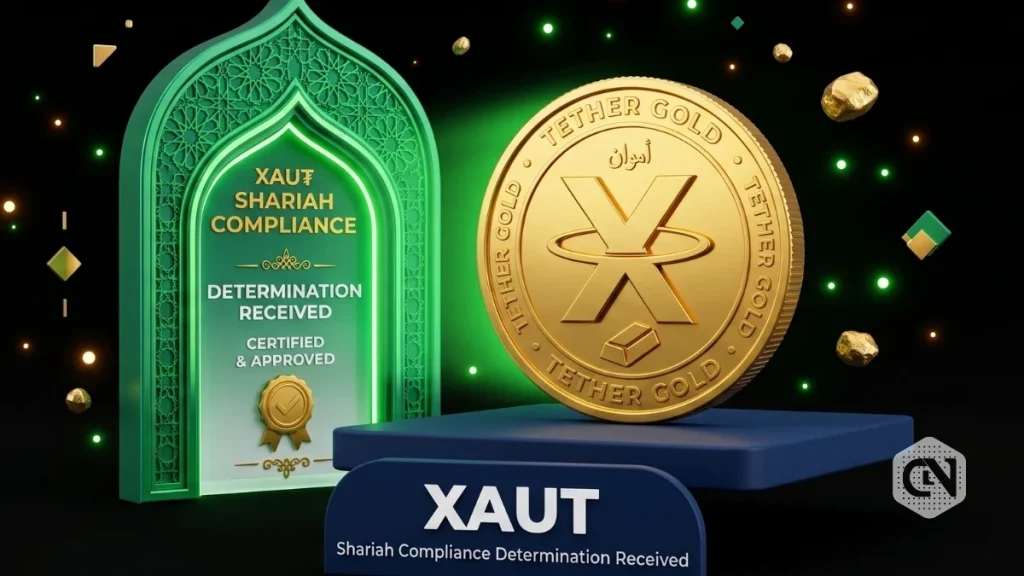
Tether Breaks Barriers: Gold-Backed XAU₮ Achieves Shariah Compliance Status
By securing this status, Tether is unlocking unprecedented liquidity and institutional interest from a demographic that demands ethical and compliant digital assets. This expansion of digital gold reach signifies a major shift in the stablecoin landscape, proving that crypto-assets can meet the most rigorous religious and financial regulatory frameworks worldwide.

Crypto Winter Bites: Uphold Slashes 17% of Global Workforce
Management clarified that these layoffs are part of a calculated strategic shift aimed at bolstering their fast-growing enterprise business. By pivoting resources toward institutional-grade services, Uphold intends to navigate the current market downturn and secure long-term scalability.

Chicharito Joins Atlético Dallas: A Massive Miss for Fan Token Adoption?
This development highlights the massive potential for sports franchises to leverage digital assets to deepen community ties. By overlooking fan tokens, the club may be missing a critical opportunity to drive engagement and unlock new revenue streams within the Web3 ecosystem.
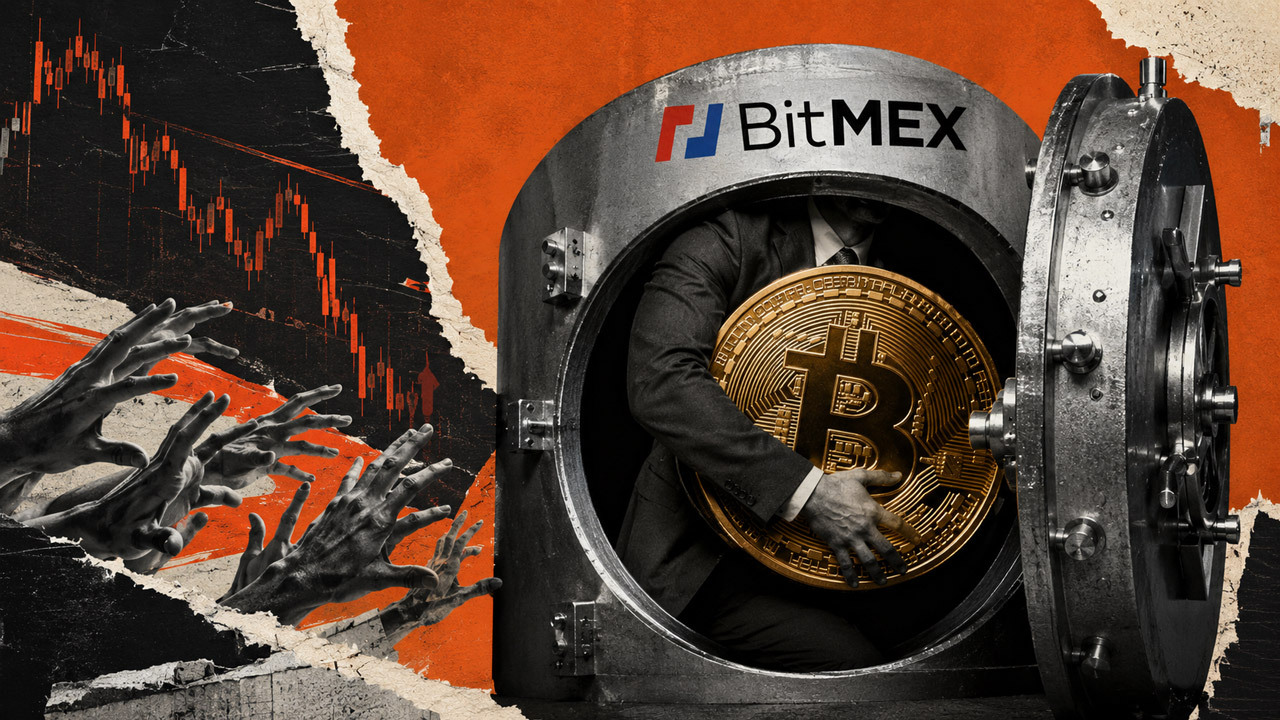
BitMEX Scandal: Lawsuit Alleges Seizure of 622 Bitcoins via Server Freezes and Insider Trading
This development strikes at the heart of exchange accountability and the fundamental risks of centralized trading platforms. Although BitMEX has dismissed the lawsuit as baseless, the allegations of insider trading and data exploitation could trigger intense regulatory scrutiny and reshape how users perceive the security of their crypto holdings.

Market Reversal: Bitcoin ETFs Bleed Nearly $500 Million in Massive Outflow
This sudden shift in sentiment was largely driven by activity within BlackRock’s iShares Bitcoin Trust. The significant outflow highlights a cooling of risk appetite among institutional players, marking a pivot from the recent period of consistent capital inflows into the crypto market.
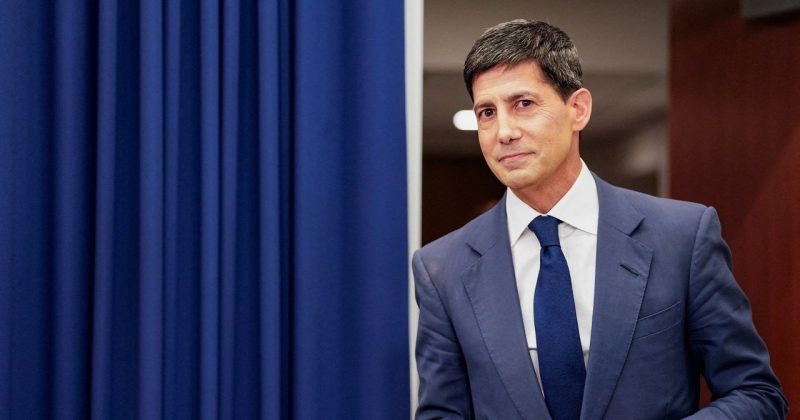
Fed Pivot? New Chair Warsh Signals Potential Rate Hike Amid Inflation Fears
This hawkish pivot is expected to recalibrate market expectations and could lead to significant volatility across all asset classes. For the crypto market, the implications are profound, as changes in interest rates directly influence liquidity and the appetite for risk-on assets like Bitcoin.
