VCT China Stage 2 Kicks Off: Why Esports is Still Sidestepping Crypto Integration

The launch of VCT China Stage 2 underscores a growing divide between competitive gaming and the digital asset sector. As the high-stakes tournament begins, the esports industry maintains a cautious stance on crypto integration, prioritizing operational stability and brand control over rapid technological adoption.
This strategic avoidance could lead to a significant missed opportunity for fan engagement and ecosystem growth. By sidestepping blockchain-based solutions, the esports industry may inadvertently limit its ability to innovate and tap into the transformative economic models offered by the crypto space.
The kickoff of VCT China Stage 2 highlights a persistent trend in the gaming industry: the avoidance of digital assets. As the tournament progresses, it becomes clear that esports continues to sidestep crypto integration, favoring a conservative approach centered on stability and control. While this mitigates immediate risk, it potentially limits future innovation and the depth of fan engagement through decentralized technologies.
This is a summarized and adapted version by Artificial Intelligence. To read the complete original story, visit the official source.
Read Full Article at Crypto BriefingSupport Jornal Bitcoin
Independent journalism, curated by AI, no clickbait. Keep the flame alive with any amount of BTC.
jonata@walletofsatoshi.comDaily Crypto Brief 📬
Subscribe to receive the curation of the most important Bitcoin and crypto news, summarized by AI. No spam.
Join more than 10,000 smart readers.
Related News

Bitcoin Surges Toward $64,000 as Chip Rally and Yen Strength Fuel Gains
Remarkably, this 4.2% gain over the last seven days comes despite significant global headwinds, including oil shocks, a bond selloff, and heightened geopolitical tensions involving U.S. strikes on Iran. The ability of Bitcoin to maintain this trajectory amidst such macro volatility underscores its growing resilience in the current financial landscape.
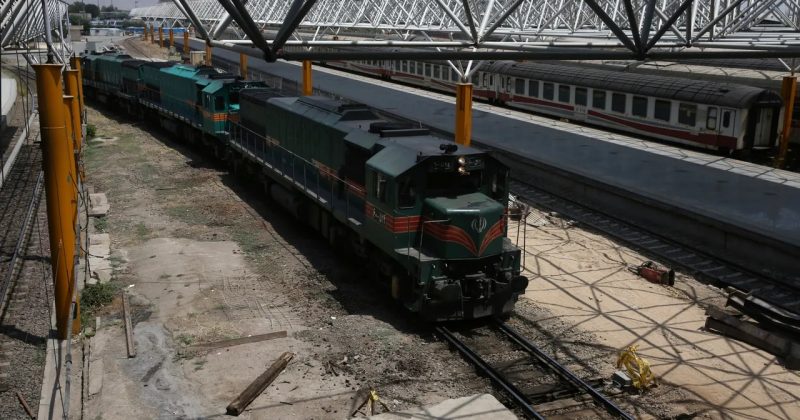
US Strike on Iranian Bridge: Global Trade Corridors and Crypto Risk Sentiment Under Pressure
Beyond the immediate physical damage, the disruption of vital logistics corridors threatens to ripple through global economies. For the crypto market, such geopolitical friction often triggers a shift in capital flows, potentially driving investors toward safe havens or causing sudden liquidity shifts in major digital assets.

Japan's Producer Prices Surge: Why Crypto Traders Should Brace for Volatility
The core risk involves the potential unwinding of the yen carry trade, a mechanism that could trigger massive volatility across global crypto markets. As interest rate hikes become a more tangible threat, the resulting capital shifts could lead to sudden liquidity crunches and sharp price fluctuations in the digital asset space.

Meme Token Frenzy: France's World Cup Success Ignites Crypto Speculation Around Mbappé and Dembélé
As fans flock to capitalize on on-field victories, the intersection of sports culture and crypto-speculation is becoming increasingly pronounced. This trend is reshaping fan engagement, turning athletic milestones into high-stakes opportunities within the volatile meme coin ecosystem.

Polymarket Odds Crash to 61.5% as Hormuz Traffic Normalization Looms
This shift is compounded by major diplomatic breakthroughs, including Washington's potential move to lift Syria's 'state sponsor of terrorism' designation. Following a high-stakes meeting between Trump and President Ahmed al-Sharaa at a NATO summit in Turkey, the global landscape is bracing for a significant realignment.

Nasdaq Comeback: AVAX One Reclaims Compliance Following Reverse Stock Split
This regulatory recovery provides a significant boost to the firm's institutional credibility within the broader crypto landscape. By stabilizing its share structure, AVAX One is better positioned to navigate the complexities of the Avalanche ecosystem and leverage the growing demand for the AVAX token.
