Crypto Briefing

JD Vance: Gulf oil flows to return to pre-conflict levels

August 8, 202611:52 AM
JD Vance: Gulf oil flows to return to pre-conflict levels

Senator JD Vance anticipates a normalization of Gulf oil flows, with the Strait of Hormuz poised to reopen and stabilize global energy markets. This critical development directly impacts oil prices and cryptocurrencies, which often move in opposite directions to traditional assets during times of geopolitical uncertainty.

The reopening of the Strait of Hormuz represents a potential turning point for global energy security, though lingering risks and unresolved protocols may hinder full recovery. Cryptocurrency investors are closely watching developments in the Middle East, as stabilization of traditional energy markets could influence capital flow dynamics to digital assets like Bitcoin and Ethereum.

This is a summarized and adapted version by Artificial Intelligence. To read the complete original story, visit the official source.

Read Full Article at Crypto Briefing
QR Code Lightning

Support Jornal Bitcoin

Independent journalism, curated by AI, no clickbait. Keep the flame alive with any amount of BTC.

Wallet of Satoshi
jonata@walletofsatoshi.com

Daily Crypto Brief 📬

Subscribe to receive the curation of the most important Bitcoin and crypto news, summarized by AI. No spam.

Join more than 10,000 smart readers.

Related News

Ethereum & Solana Shake Up Token Supply: The Numbers Are Shocking

Crypto Briefing

Ethereum & Solana Shake Up Token Supply: The Numbers Are Shocking

Ethereum and Solana are fundamentally rethinking their token supply mechanisms, with changes that could reshape their entire economic models and staking landscapes. These new supply policies are sending shockwaves through the crypto community, as analysts predict significant impacts on long-term token scarcity and validator incentives. These strategic adjustments come at a critical time for both blockchains as they compete for dominance in the DeFi and NFT ecosystems. The supply modifications could potentially increase the value of existing tokens, benefiting long-term holders, while also raising questions about centralization and economic sustainability.
US Spot Bitcoin ETFs See $1B Inflows, Best Week Since April

CoinTelegraph★ Featured

US Spot Bitcoin ETFs See $1B Inflows, Best Week Since April

US spot Bitcoin ETFs attracted approximately $1 billion in net inflows this week, marking their strongest performance since April and third-largest week since October, according to Bloomberg ETF analyst Eric Balchunas. This significant capital influx signals renewed institutional appetite for Bitcoin exposure after months of inconsistent trading volumes. The recovery in fund flows comes amid persistent uncertainty surrounding digital asset regulation and security concerns with crypto self-custody solutions. Balchunas referred to the period since October as Bitcoin's 'silent IPO,' suggesting institutional demand continues to form the foundation of market growth despite regulatory hurdles and security challenges that remain top concerns for many market participants.
BTCPay Server Founder Devastated as Hack Drains User Bitcoin Funds
Livecoins

BTCPay Server Founder Devastated as Hack Drains User Bitcoin Funds

The founder of BTCPay Server, a Bitcoin payment platform, has expressed public devastation following a security breach last Friday (7) that drained user funds from the service. This incident marks the worst bug since BTCPay's creation, directly impacting Bitcoin users and digital wallet security. The security vulnerability exposes significant risks within the Bitcoin ecosystem, highlighting the importance of robust protection measures in digital payment platforms. The incident may have lasting consequences for user trust in BTCPay Server and the broader Bitcoin market, raising questions about governance in decentralized projects and developer responsibilities.
Bitcoin, XRP, Solana, Tron Crush Ethereum and Cardano: Investors Lose 12.5% Since 2022

CryptoSlate★ Featured

Bitcoin, XRP, Solana, Tron Crush Ethereum and Cardano: Investors Lose 12.5% Since 2022

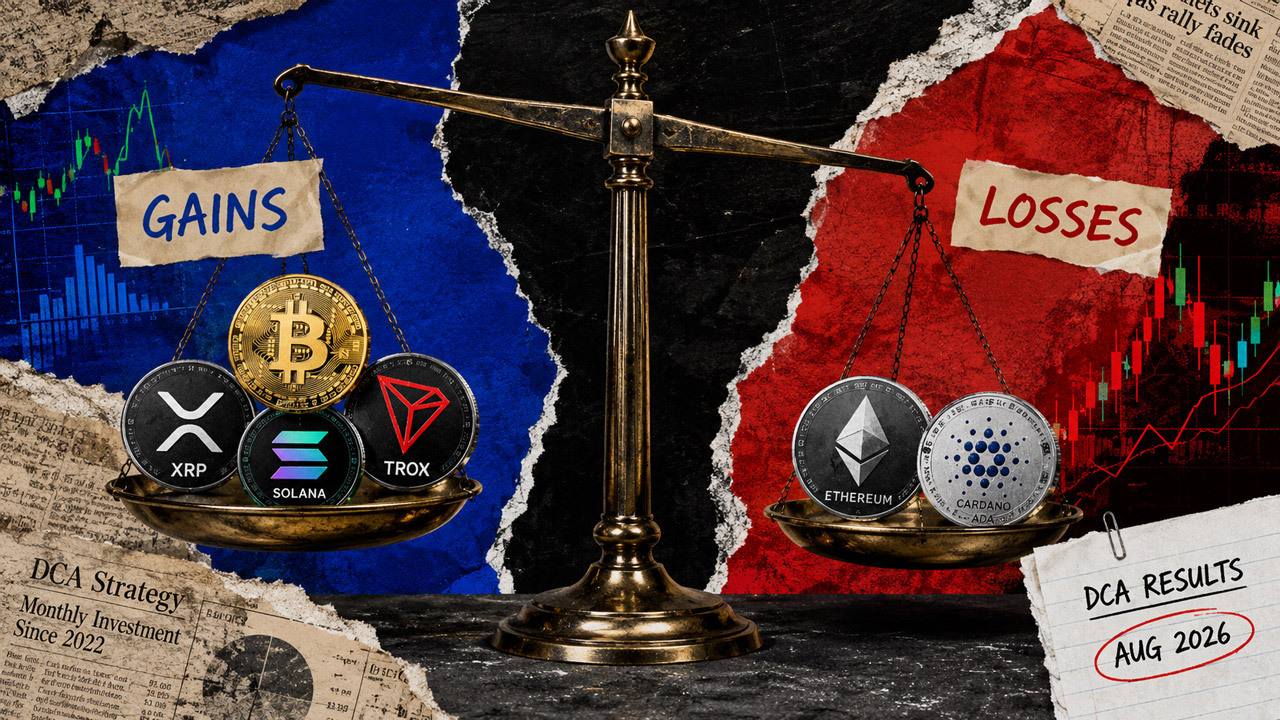
Recent data reveals a stunning reversal in the crypto market: while Bitcoin, XRP, Solana, and Tron consistently maintain superior performance, Ethereum and Cardano are facing losses for investors who apply monthly investments since 2022. An investor injecting $100 monthly into Ethereum from January 2022 through August 2026 would have lost 12.5% of total capital despite contributing $5,600. This trend represents a significant challenge to the 'buy the dip' narrative that has historically driven the crypto market. The underperformance of Ethereum and Cardano contrasts with the resilience demonstrated by other cryptocurrencies, forcing investors to rethink their capital allocation strategies in the volatile crypto universe.
Alphabet's $205B AI Investment Sparks Nvidia, Broadcom Rally
Crypto Briefing★ Featured

Alphabet's $205B AI Investment Sparks Nvidia, Broadcom Rally

Alphabet has announced a record capital expenditure increase for 2026, allocating between $195 billion and $205 billion to accelerate its artificial intelligence strategy. This strategic move positions the company as a leader in the tech race, with a clear focus on AI infrastructure and advanced processing capabilities. The massive AI investment by Alphabet represents a watershed moment for the semiconductor market, with Nvidia and Broadcom stocks potentially benefiting significantly. This clear commitment to AI technology from one of the world's largest tech giants is expected to further drive demand for specialized chips and infrastructure solutions, creating new opportunities for cryptocurrency and blockchain companies operating in the decentralized AI ecosystem.
Bitcoin's ECX Hard Fork Splits Into 3 Launches Through October
Bitcoin.com

Bitcoin's ECX Hard Fork Splits Into 3 Launches Through October

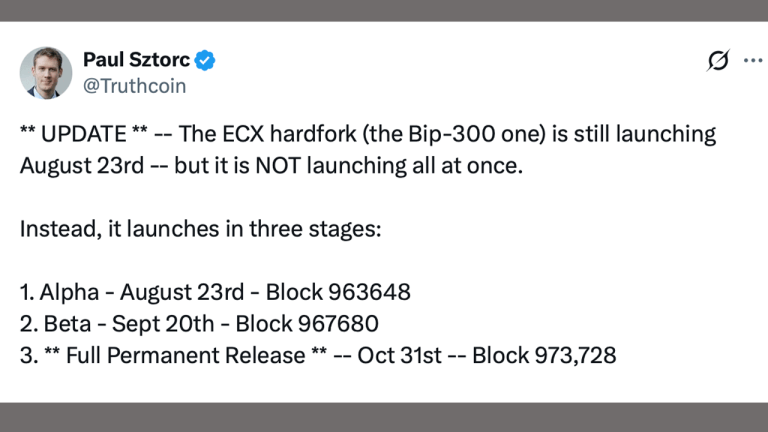
Bitcoin's ECX hard fork, originally scheduled for August 23, will now launch in three distinct stages spanning over two months, according to developer Paul Sztorc. This strategic shift in the implementation timeline for the Drivechain proposal and BIP 300 could significantly impact the Bitcoin ecosystem. In an announcement made on August 7, Sztorc detailed that the phased approach will allow for a more controlled and tested implementation of the new technology. The decision to split the launch into multiple phases represents a cautious approach to integrating new features into the Bitcoin network, allowing for progressive testing and adjustments. With the extended timeline now stretching into October, market participants have more time to prepare, while the Bitcoin community evaluates the potential benefits and risks of this technological innovation.
Jornal Bitcoin Logo