Digital Oil: USDT Trading Volume in Venezuela Now Rivals Crude Exports
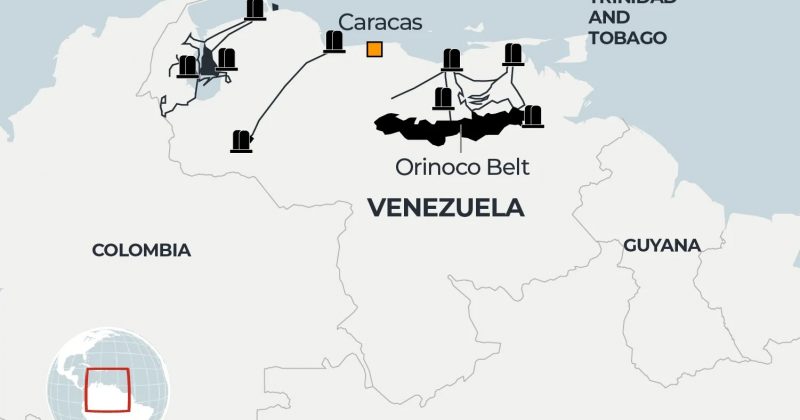
In a seismic shift for the Venezuelan economy, USDT trading volume has surged to hit 75% of the nation's monthly oil export value. This trend highlights a critical pivot toward stablecoins as a primary liquidity tool for a state navigating intense international sanctions.
The increasing reliance on Tether allows the sanctioned petrostate to settle crude sales through digital assets, effectively bypassing traditional financial bottlenecks. This evolution underscores the growing role of USDT in global commodity trade and its capacity to function as a workaround in geopolitically constrained markets.
USDT trading in Venezuela has hit 75% of the country's monthly oil exports as the sanctioned petrostate increasingly settles crude sales through Tether's stablecoin. This development marks a significant milestone in the integration of crypto assets into the settlement of large-scale energy commodities.
This is a summarized and adapted version by Artificial Intelligence. To read the complete original story, visit the official source.
Read Full Article at Crypto BriefingSupport Jornal Bitcoin
Independent journalism, curated by AI, no clickbait. Keep the flame alive with any amount of BTC.
jonata@walletofsatoshi.comDaily Crypto Brief 📬
Subscribe to receive the curation of the most important Bitcoin and crypto news, summarized by AI. No spam.
Join more than 10,000 smart readers.
Related News
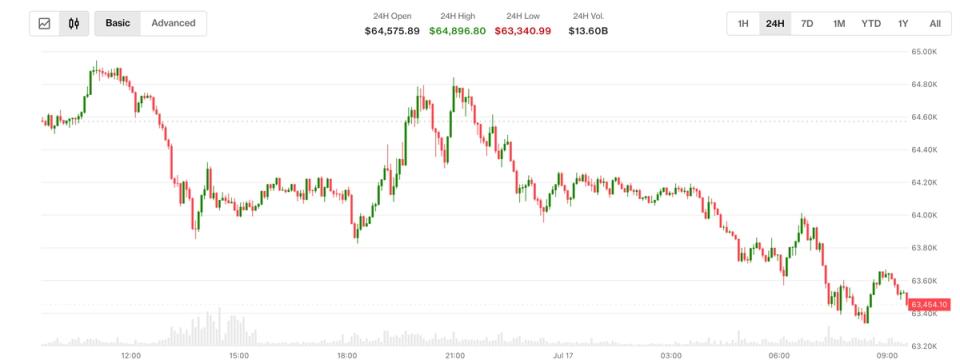
Bitcoin Drops Below $64,000 as U.S. Strikes on Iran and Trump's China Comments Fuel Panic
Adding to the volatility, recent comments from Donald Trump regarding China have stoked fears of renewed U.S.-China frictions. As investors brace for potential trade wars or diplomatic fallout, the uncertainty is driving a flight from volatile assets, leaving Bitcoin and other digital assets struggling to maintain support levels.

Iran's Power Crisis Puts $7.8B Crypto Ecosystem at Risk
As energy stability falters, the impact on the global Bitcoin mining landscape could be significant. This intersection of geopolitical conflict and energy scarcity highlights the growing vulnerability of digital asset infrastructure to state-level kinetic warfare and power grid instability.
Crash to $30K or Jump to $100K? 3 AIs Reveal Bitcoin's Likely Fate in 2026
This technological speculation underscores the intense volatility of the crypto market and the growing reliance on predictive algorithms. While the outcomes vary in magnitude, the unanimous consensus among the models provides a crucial signal for investors tracking the long-term trajectory of BTC and its market dominance.
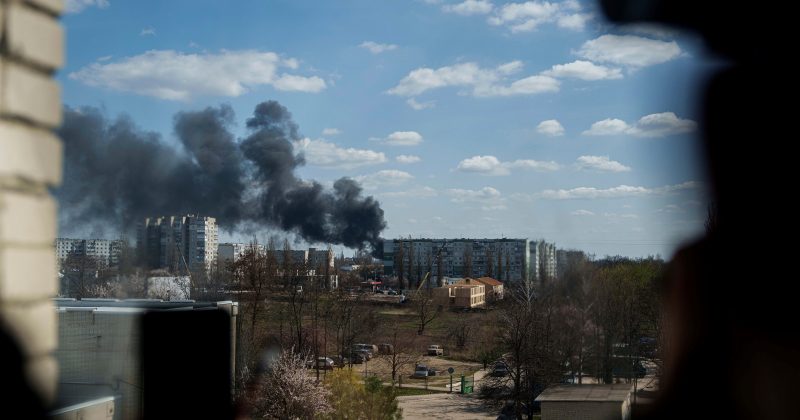
Russia Strikes Sumy with Guided Bombs, Targeting Civilian Infrastructure
As the conflict evolves, strategic forecasting remains volatile. Current data points to a niche 10.5% probability of Ukraine recapturing Crimea by December 31, 2026, a timeline that analysts suggest could fundamentally reshape the macro-economic landscape and the long-term stability of digital assets.

Bitcoin ETF Collapse: What Happens to Your Assets if a Sponsor or Custodian Fails?
As institutional adoption scales through giants like BlackRock's IBIT, the legal distinction between fund assets and corporate liabilities becomes paramount. Understanding these structural safeguards is essential for any investor navigating the intersection of traditional finance and the Bitcoin ecosystem to mitigate potential contagion risks.

The Great Divide: What the First Half of 2026 Revealed About Trader Success
As the macroeconomic landscape defied traditional analyst predictions, data shows that success was not a matter of luck, but of adaptability. The consequences of this market divide are profound, redefining the requirements for being a resilient investor in an increasingly sophisticated and ruthless cryptocurrency landscape.
