Geopolitical Flashpoint: US Strikes Tanker Attempting to Breach Iran Blockade

The global geopolitical landscape has been shaken by reports of US strikes against a tanker that attempted to breach the Iranian blockade. This direct military confrontation signals a heightened risk of regional escalation, forcing investors to reassess the stability of energy corridors and global trade routes.
As the standoff between the US and Iran intensifies, market sentiment suggests a 45% probability that the current blockade regime could conclude by August 31, 2026. The impact of these military strikes on market volatility and the broader economic landscape remains a critical point of focus for analysts.
In a significant escalation of regional tensions, US forces have reportedly struck a tanker that attempted to breach the blockade enforced by Iran. The incident marks a dangerous shift in the maritime standoff, as the vessel's attempt to bypass naval restrictions led to direct military engagement.
Data suggests a 45% likelihood that the blockade situation will reach a resolution by August 31, 2026. However, the immediate impact of these strikes continues to drive uncertainty in global markets, as the world watches to see if this confrontation will trigger a wider conflict.
This is a summarized and adapted version by Artificial Intelligence. To read the complete original story, visit the official source.
Read Full Article at Crypto BriefingSupport Jornal Bitcoin
Independent journalism, curated by AI, no clickbait. Keep the flame alive with any amount of BTC.
jonata@walletofsatoshi.comDaily Crypto Brief 📬
Subscribe to receive the curation of the most important Bitcoin and crypto news, summarized by AI. No spam.
Join more than 10,000 smart readers.
Related News

Yemen Conflict Escalates: Airstrikes Target Houthi Sites in Marib and Al-Jawf
As military actions against Israel show signs of persistence through mid-2026, the broader implications for global security are profound. Market participants should monitor how this escalation in the Yemen conflict influences liquidity and volatility in high-risk asset classes.
Middle East Escalation: Saudi Military Strikes Houthi Targets Following Red Sea Shipping Attacks
This escalation carries profound implications for global trade routes and market volatility. With predictive models suggesting a 6.5% chance of continued Houthi military action against Israel through July 2026, the intersection of Middle East geopolitics and global economic security remains a critical focal point for analysts.
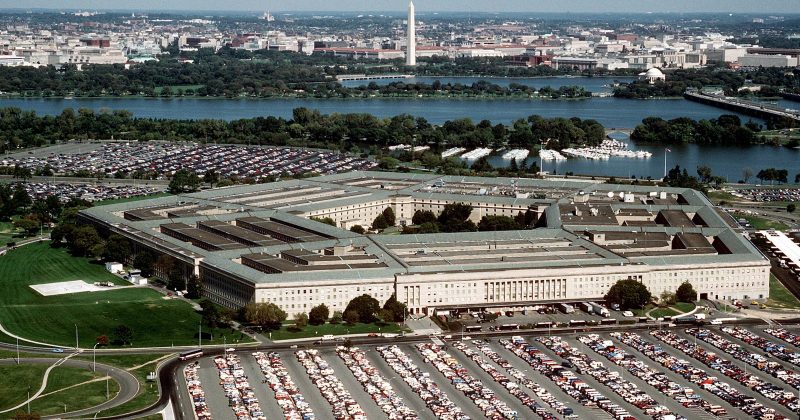
Pentagon Cover-up: NYT Exposes Concealed Iranian Attacks on US Troops in Jordan
As geopolitical tensions escalate, the suppression of such kinetic events could have profound implications for global stability. Investors and analysts are closely monitoring how these hidden conflicts might trigger market volatility and drive demand for decentralized assets during periods of heightened geopolitical risk.
Ukrainian Drone Strike Hits Russian Tourist Bases in Zaporozhye Amid Escalating Conflict
Beyond the immediate casualties, the strategic landscape is shifting, with recent data suggesting a 9.5% probability of Ukraine recapturing Crimea by December 31, 2026. The combination of drone strikes in Zaporozhye and long-term territorial projections keeps the global community on high alert regarding the conflict's trajectory.

Crypto Boom: Industry to Inject $55 Billion into US Economy and Create Hundreds of Thousands of Jobs
Beyond the direct capital injection, the report emphasizes a massive labor market expansion, predicting the creation of hundreds of thousands of new jobs. This trend highlights how the crypto industry is evolving from a niche market into a significant driver of employment and industrial growth across the country.

Legal Shield: Crypto.com-Affiliated Exchange Sues Washington Over Prediction Markets
This legal maneuver comes as a direct response to the increasing crackdown on prediction platforms, citing the recent injunction against Kalshi as a major threat. By invoking CFTC precedents, the exchange is fighting to establish that federal oversight should supersede state authority in the rapidly evolving digital derivatives landscape.
