Geopolitical Shockwave: US Strikes Iran’s Darkhovin Nuclear Plant, Violating Ceasefire
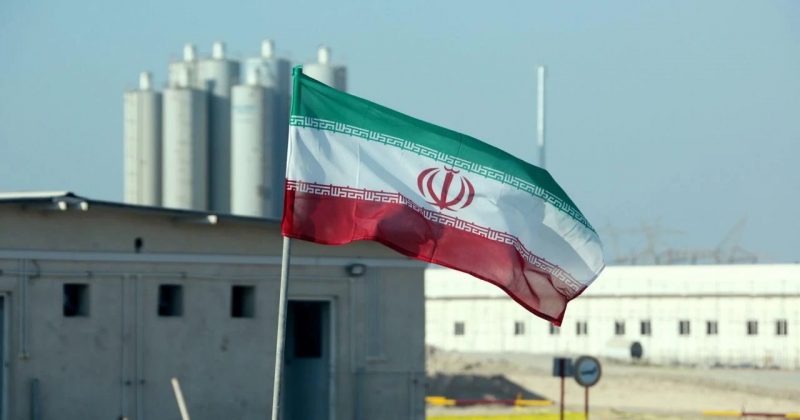
In a move that drastically shifts the global risk landscape, the United States has targeted Iran's Darkhovin nuclear plant, directly violating the existing ceasefire agreement. This high-stakes incident heightens uncertainty across global financial and geopolitical markets, threatening stability in the Middle East.
The military escalation comes at a pivotal moment for international diplomacy, with a final nuclear deal deadline set for August 13, 2026. This breach of the ceasefire could trigger severe volatility in safe-haven assets and significantly impact the risk sentiment for crypto investors and global commodity markets.
The United States has targeted Iran's Darkhovin nuclear plant, an action that constitutes a violation of the current ceasefire agreement. This development marks a significant escalation in regional tensions. While the target for a final nuclear deal remains August 13, 2026, this military strike complicates the diplomatic path forward and increases the likelihood of broader conflict.
This is a summarized and adapted version by Artificial Intelligence. To read the complete original story, visit the official source.
Read Full Article at Crypto BriefingSupport Jornal Bitcoin
Independent journalism, curated by AI, no clickbait. Keep the flame alive with any amount of BTC.
jonata@walletofsatoshi.comDaily Crypto Brief 📬
Subscribe to receive the curation of the most important Bitcoin and crypto news, summarized by AI. No spam.
Join more than 10,000 smart readers.
Related News
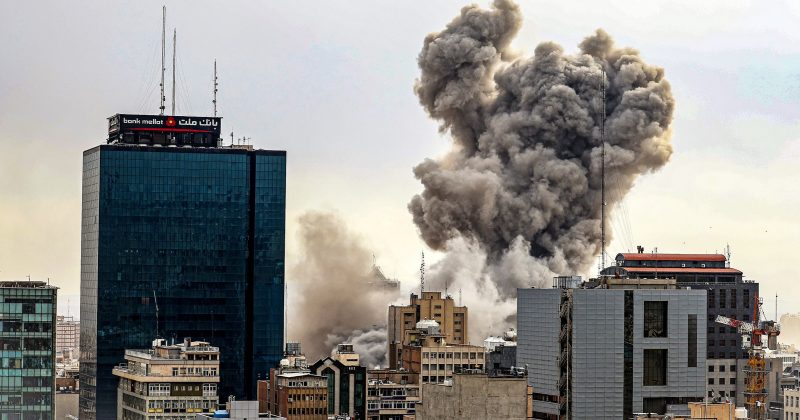
Geopolitical Escalation: Iran Strikes U.S. Targets with Precision Amid 2026 Nuclear Deadline
As the conflict intensifies, the diplomatic clock is ticking toward a critical deadline for a final nuclear deal, projected for August 13, 2026. The outcome of these negotiations will serve as a primary driver for global economic stability and market volatility in the near future.

Brent Crude Surges 14% as US-Iran Tensions Threaten Global Oil Supply
As supply chains face significant interruptions, market forecasts suggest a bullish trend that could push Brent to new all-time highs by December 31. Investors are closely monitoring these developments, as a projected 11.5% increase could signal a prolonged period of energy volatility and economic shifts.

Geopolitical Alert: Iran’s Interior Minister Visits Pakistan Amid Escalating U.S. Tensions
This strategic engagement aims to fortify regional ties at a time when geopolitical instability could trigger significant volatility in digital asset markets. As diplomatic maneuvers continue, the potential impact on global liquidity and risk appetite remains a primary concern for institutional investors navigating the current landscape.
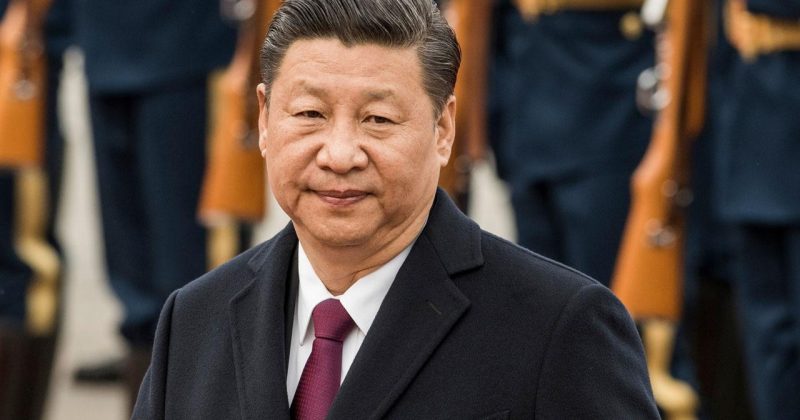
Geopolitical Shift: China and US Discuss Potential Xi Jinping Visit to the United States
Market sentiment indicators suggest a massive 92.5% probability that Xi Jinping will visit the United States before 2027. Such a visit would not only reshape bilateral trade relations but also serve as a major catalyst for global risk appetite, influencing everything from institutional capital flows to the broader macroeconomic stability of the international financial system.

Market Chaos: Oil Surge and AI Selloff Drag Bitcoin Below $64,000
As the chip sector faces a significant downturn, the resulting contagion is impacting the broader crypto market. This correlation highlights how Bitcoin remains sensitive to macro shifts, specifically the interplay between energy costs and the cooling sentiment in the artificial intelligence and semiconductor industries.

Middle East Escalation: UK Navy Vessel Hit by Projectile, Crew Forced to Abandon Ship
As a direct consequence, the probability of a closure in the Bab el-Mandeb Strait has risen to 24.5% by September 30. Investors should monitor this situation closely, as disruptions in this strategic chokepoint could trigger broader economic instability and market volatility across global sectors.
