Regulatory Chaos Ending? US Senate Approves Landmark Crypto Oversight Act
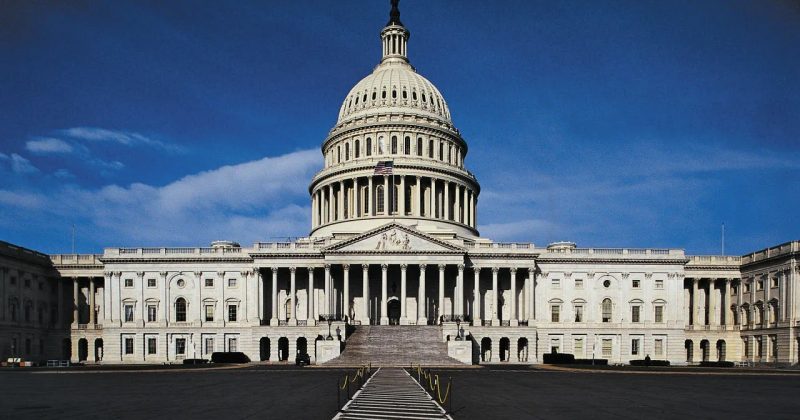
The Senate Banking Committee has officially moved to stabilize the digital asset landscape by approving the CLARITY Act with a 15-9 vote. This pivotal legislation aims to resolve the ongoing jurisdictional battle by splitting oversight responsibilities between the CFTC and the SEC, providing the legal framework the industry has long demanded.
This legislative shift marks a turning point for institutional adoption and market stability. The immediate market reaction was evident as Bitcoin briefly surged following the news, proving that clear rules of engagement are highly valued by traders and large-scale investors looking to navigate the crypto space with confidence.
Washington is moving toward a clearer rulebook for digital assets. The Senate Banking Committee approved the CLARITY Act in a 15-9 vote, effectively splitting crypto oversight between the CFTC and the SEC. The news triggered immediate volatility, with Bitcoin briefly surging above key levels as investors reacted to the prospect of a more defined regulatory environment for the crypto industry.
This is a summarized and adapted version by Artificial Intelligence. To read the complete original story, visit the official source.
Read Full Article at Crypto BriefingSupport Jornal Bitcoin
Independent journalism, curated by AI, no clickbait. Keep the flame alive with any amount of BTC.
jonata@walletofsatoshi.comDaily Crypto Brief 📬
Subscribe to receive the curation of the most important Bitcoin and crypto news, summarized by AI. No spam.
Join more than 10,000 smart readers.
Related News
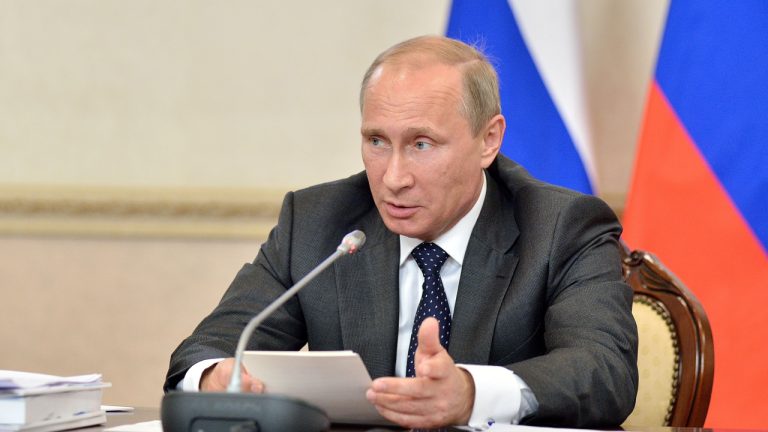
Russia's Crypto Revolution: Landmark Bill Heads to Putin's Desk
Despite the progress, the bill maintains a strict boundary by prohibiting the use of digital currency for everyday payments. This regulatory approach aims to integrate digital rights into the national economy while ensuring that the central bank retains control over the traditional monetary supply, creating a controlled environment for crypto adoption.

Geopolitical Shockwave: US Weighs 20% Toll on Strait of Hormuz Amid Iran Tensions
The proposed toll, which could see implementation by July 2026, poses a significant risk to supply chains and commodity pricing. As the standoff between the US and Iran intensifies, investors are closely watching for signs of increased volatility in energy markets and traditional financial assets, which often spills over into the crypto market.

Champions League: The Growing Digital Divide Between Football's Crypto Haves and Have-Nots
This emerging divide between football's digital 'haves' and 'have-nots' suggests that future competitiveness will be tied to technological adoption. As Web3 and digital economies become more central to sports management, the gap in financial and digital resources threatens to permanently alter the competitive landscape of global football.

Bitcoin's Crucial Test: Will the $68,000 Breakout End the Crypto 'Summer Slumber'?
This technical hurdle is significant because it represents a zone where recent buyers may look to exit their positions. Whether Bitcoin can absorb this selling pressure or if it will succumb to a deeper correction will dictate the trajectory of the entire digital asset market in the coming weeks.

Crypto Chaos: Movement Labs Files for Chapter 11 Bankruptcy Amid MOVE Token Turmoil
The bankruptcy filing follows months of mounting instability that has shaken the project's foundation. As the industry watches closely, the fallout from this collapse highlights the growing risks associated with rapid token deployments and the critical importance of robust governance frameworks in decentralized ecosystems.
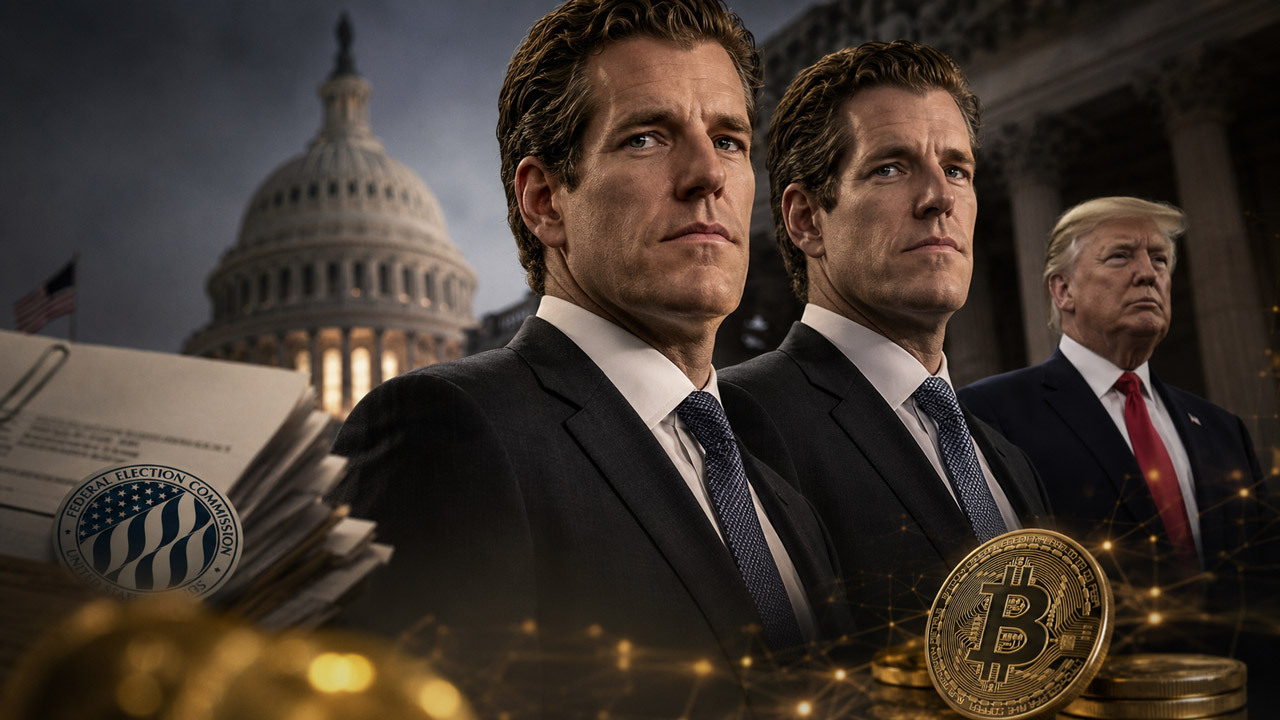
Winklevoss Twins' $10M Trump Donation: Political Play or Data Misinterpretation?
Crucially, a closer look at the FEC filings suggests the headline may be misleading. The data indicates that Gemini is listed because it liquidated the same Bitcoin used in the transaction, rather than the exchange making a fresh $10 million donation. This distinction is vital for understanding the true nature of the exchange's involvement in political financing.
