US Navy Short on Destroyers as Israel Protection Concerns Grow Amid Regional Tensions
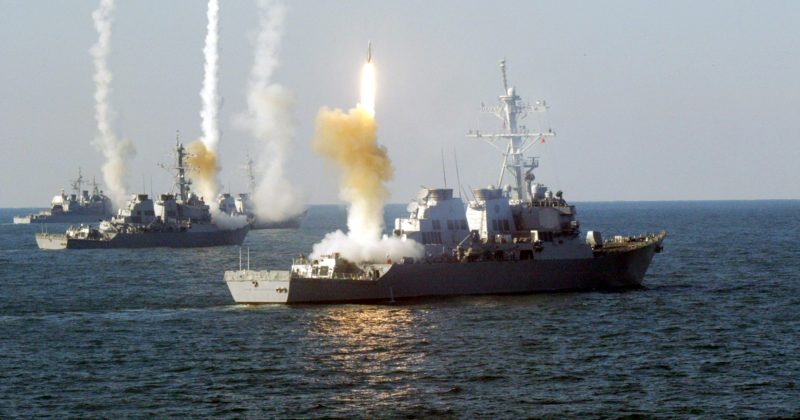
The US Navy is critically short on destroyers, compromising its ability to protect Israel amid escalating regional tensions in the Middle East. This strategic vulnerability exposes limitations in American naval power at a time of increasing instability in the Persian Gulf and around Israel.
The naval resource shortage presents a significant challenge for US strategic military operations in the Middle East, potentially affecting regional stability and security alliances. The situation highlights the urgent need for reassessment of defense priorities and fleet investment, as analysts closely watch the potential consequences for Israel's security and American presence in the region.
This is a summarized and adapted version by Artificial Intelligence. To read the complete original story, visit the official source.
Read Full Article at Crypto BriefingSupport Jornal Bitcoin
Independent journalism, curated by AI, no clickbait. Keep the flame alive with any amount of BTC.
jonata@walletofsatoshi.comDaily Crypto Brief 📬
Subscribe to receive the curation of the most important Bitcoin and crypto news, summarized by AI. No spam.
Join more than 10,000 smart readers.
Related News
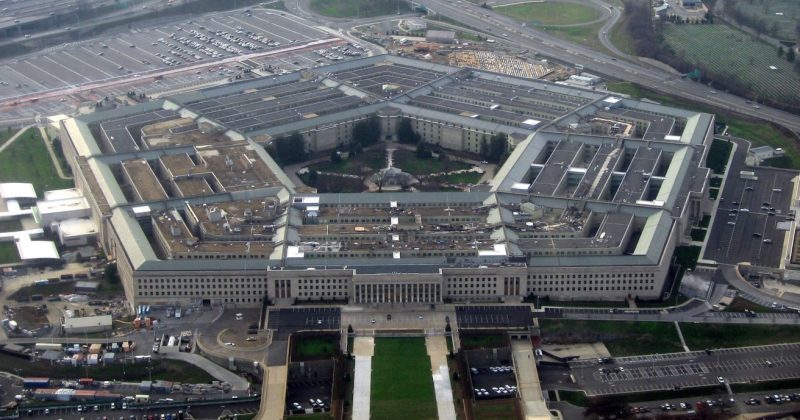
Pentagon warns of naval shortage threatening Israel defense, escalating market risks
The escalating tensions in the region, exacerbated by naval limitations, could trigger increased defense spending by the US and its allies, leading to strategic realignments and impacting both cryptocurrency and traditional asset markets. Investors and analysts are on high alert as geopolitical instability typically drives demand for safe-haven assets like Bitcoin and gold.

Indian Oil Corp ramps up spot oil buys as Middle East chaos grows
The increase in spot purchasing by Indian Oil Corp comes at a time of rising instability in the Middle East, where regional conflicts could abruptly disrupt oil flow. While seeking alternative sources may protect the company from specific interruptions, intensified competition for limited supplies in the global market could drive costs higher for all oil importers. This strategy demonstrates the complex dilemma faced by major consuming nations: balancing national energy security against global economic impacts in a volatile and interconnected market.

Russia launches massive attack on Ukraine with 35 missiles and 185 drones: Zelensky

Israel Strike on Beirut HMX Stockpile Fuels Regional Tensions
The incident occurs at a delicate moment for international relations, as negotiations over Iran's nuclear program already face significant challenges. Analysts warn that the military action could trigger a new wave of regional instability, with potential repercussions on global markets and oil prices. The international community is closely monitoring developments as security forces increase vigilance in strategic areas.

Israel's UN Ambassador Shuts Down Palestinian Statehood After October 7

Security Experts Sound Alarm: Anthropic and OpenAI Breaches Pose National Security Threat
These concerns are forcing a regulatory reevaluation that could significantly increase operational costs and delay market entry for AI firms. For investors and users, this signals a more regulated and potentially more expensive landscape for AI adoption, as companies navigate the complex balance between innovation and security in an increasingly geopolitically charged environment where AI capabilities are becoming national security priorities.
