Privacy Alert: US Lawmakers Push for Facial Age Verification in Online Betting
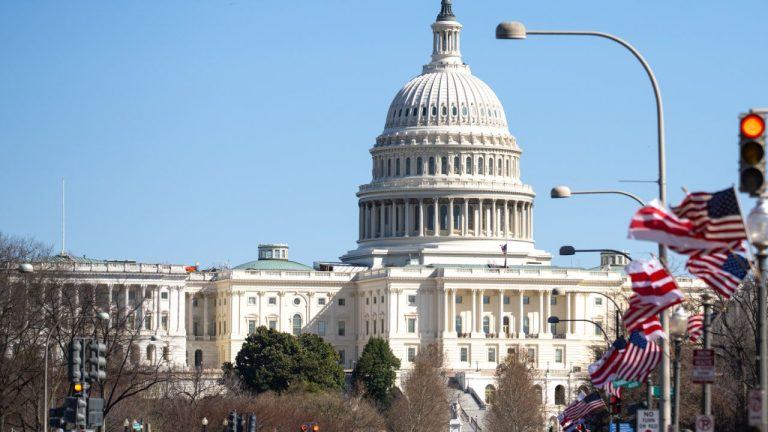
A bipartisan group of U.S. lawmakers is pushing a controversial proposal that would force online sportsbooks and prediction markets to implement facial scanning technology. This mandate aims to estimate user age via biometric analysis before any betting or trading activity is permitted on these platforms.
While the proposal claims that no biometric information or identities will be retained, the absence of a published full text has sparked concerns regarding enforcement and accuracy. This move could significantly impact the privacy landscape for prediction markets and decentralized trading environments if the regulatory framework is strictly applied.
A bipartisan group of U.S. lawmakers has proposed a mandate requiring online sportsbooks and prediction markets to scan users' faces to estimate their age before allowing them to bet or trade. The initiative seeks to tighten age-gating protocols across digital gambling sectors.
Although the proposal promises not to retain identities or biometric data, the lack of a published full text leaves critical questions unanswered. Specifically, experts are questioning the requirements for enforcement, the technological accuracy of the scans, and the legal avenues for appeal should a user be incorrectly flagged.
This is a summarized and adapted version by Artificial Intelligence. To read the complete original story, visit the official source.
Read Full Article at Bitcoin.comSupport Jornal Bitcoin
Independent journalism, curated by AI, no clickbait. Keep the flame alive with any amount of BTC.
jonata@walletofsatoshi.comDaily Crypto Brief 📬
Subscribe to receive the curation of the most important Bitcoin and crypto news, summarized by AI. No spam.
Join more than 10,000 smart readers.
Related News

World Cup Fever: Spain's Success Ignites Surge in Sports Crypto Tokens and Prediction Markets
While the immediate impact on market volume is undeniable, the long-term viability of these assets remains a subject of debate. The industry must now prove that sports tokens can move beyond event-driven hype to establish a sustainable ecosystem within the broader crypto landscape.

France's World Cup Exit: How the Semifinal Defeat Saved Sportsbook Profits
Beyond traditional gambling, the upset also closed out massive positions in multibillion-dollar crypto-based prediction markets. While prediction market exchanges operate differently than traditional bookmakers—not profiting from upsets in the same direct manner—the sheer volume of billions traded highlights the massive intersection between global sports and decentralized finance.

Crypto Meets Esports: Polymarket Bettors Target Sentinels vs Cloud9 VCT Americas Showdown
The rapid rise of these prediction markets could fundamentally reshape traditional betting landscapes by introducing on-chain transparency. However, this shift is also expected to prompt significant regulatory scrutiny as authorities grapple with the implications of decentralized gambling in the gaming sector.

Trump Teleprompter Operator Allegedly Made $100K Betting on Speech-Linked Kalshi Markets
The suspicious trading activity was flagged by Kalshi's internal surveillance systems and subsequently referred to the Commodity Futures Trading Commission (CFTC). This case highlights the growing scrutiny over 'Mentions' markets, where users bet on specific words or topics, and underscores the legal risks surrounding information asymmetry in prediction markets.

The CLARITY Act: A Make-or-Break Moment for Crypto Market Structure
Despite the positive momentum, significant hurdles remain as unresolved ethics issues threaten to derail the legislative intent. There is a growing concern that self-serving policymaking could undermine the bill, turning a tool for stability into a mechanism for private interests, which would pose a severe risk to the broader crypto ecosystem.
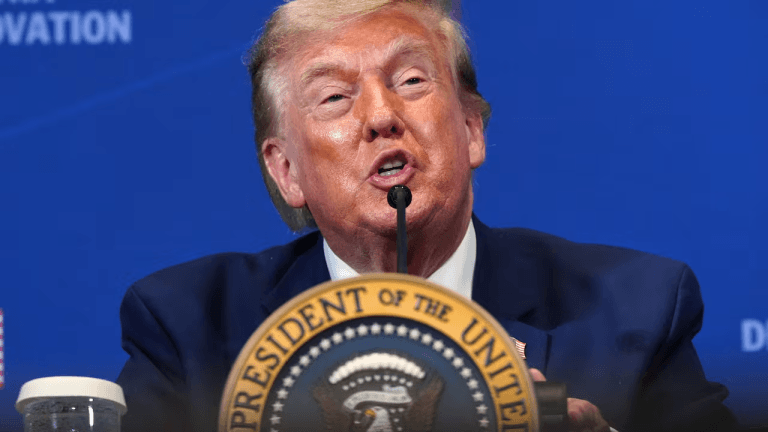
Trump Teleprompter Operator Faces Trading Ban After Alleged $100K Kalshi Windfall
This developing story highlights the growing risks associated with prediction markets and the potential for information asymmetry. As regulators scrutinize the use of non-public data for profit, the fallout could lead to strict trading bans and increased oversight for platforms like Kalshi, impacting how political events are wagered upon.
