Trade War Escalation: US Weighs New EU Tariffs, Threatening Global Tech and Crypto Stability

The US government is weighing the imposition of additional tariffs on European Union goods in retaliation to heavy fines levied against tech giants. With 25 lawmakers pushing for formal Section 301 investigations, the looming trade conflict threatens to disrupt established transatlantic economic relations.
Beyond traditional commodities, this geopolitical friction carries significant implications for the digital economy. The potential for increased trade barriers and regulatory retaliation could reshape the landscape for crypto assets, introducing new layers of volatility and shifting the global technological governance framework.
The US government is considering additional tariffs on European Union goods as a response to recent tech-related fines imposed by EU regulators. A coalition of 25 lawmakers is actively pushing for Section 301 investigations, a move that could fundamentally reshape international trade dynamics.
This escalating tension between the US and the EU poses a direct threat to the tech sector and carries indirect but significant risks for the crypto market. As trade wars intensify, the resulting regulatory shifts and market uncertainty could force a massive realignment within the global digital asset ecosystem.
This is a summarized and adapted version by Artificial Intelligence. To read the complete original story, visit the official source.
Read Full Article at Crypto BriefingSupport Jornal Bitcoin
Independent journalism, curated by AI, no clickbait. Keep the flame alive with any amount of BTC.
jonata@walletofsatoshi.comDaily Crypto Brief 📬
Subscribe to receive the curation of the most important Bitcoin and crypto news, summarized by AI. No spam.
Join more than 10,000 smart readers.
Related News

Samsung Wallet to Support Stablecoins: Massive USDC Integration Teased
While specific technical details remain scarce, the potential integration of USDC into Samsung's hardware ecosystem could bridge the gap between traditional finance and decentralized assets. This development positions Samsung as a key player in the future of mobile-based digital asset management.
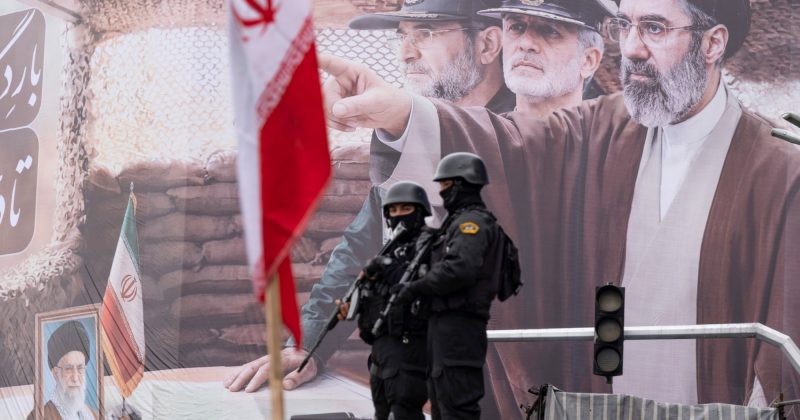
Geopolitical Escalation: US Threatens to Destroy IRGC Revenue Facilities Amid Iran Tensions
Amidst the military threats, speculative reports suggest a potential US-Iran deal in 2026 that could involve funding for Iranian reconstruction, currently sitting at a 29% probability. The interplay between direct military threats and long-term diplomatic maneuvering keeps the global financial community on edge regarding sudden geopolitical volatility.

Geopolitical Shockwave: US Military Strikes LPG Tanker Suspected of Carrying Iranian Gas
As the situation unfolds, the focus shifts to the Strait of Hormuz, where traffic normalization is projected at 21.5% by September 30. This volatility in energy logistics serves as a significant macro catalyst, potentially impacting global markets and driving shifts in risk appetite across both commodity and crypto sectors.
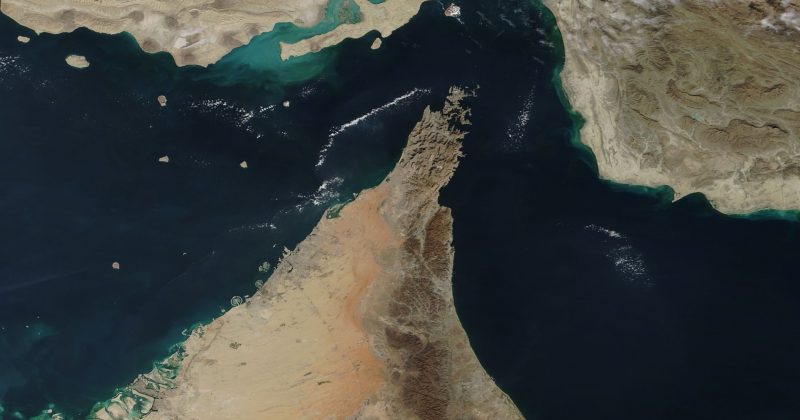
Iran Defies Trump, Maintains Hardline Stance on Strait of Hormuz
The implications of this standoff extend far beyond regional politics, posing significant risks to global energy supplies and market stability. As tensions simmer, the potential for maritime blockades remains a critical variable for macro traders and crypto investors looking to hedge against sudden geopolitical shocks and volatility.
Why Bitcoin Dipped Below $64K Today: The Political Catalyst Shaking the Market
The primary driver behind this market instability is the influence of the POTUS, whose recent actions and statements have once again rattled investor sentiment. As Bitcoin searches for a new floor, market participants are closely watching how political shifts in Washington continue to dictate the trajectory of the crypto market.
Geopolitical Alert: Iran Warns US of 'Painful' Consequences Amid Escalating Tensions
Adding complexity to the situation, reports indicate a 29% approval rate for the proposed Iran reconstruction funding deal slated for 2026. As tensions rise, the interplay between international diplomacy and economic stability remains a key driver for macro-economic shifts and investor sentiment regarding high-risk assets.
