US Debt Hits $39 Trillion: Why This Is Bitcoin's Strongest Case Ever
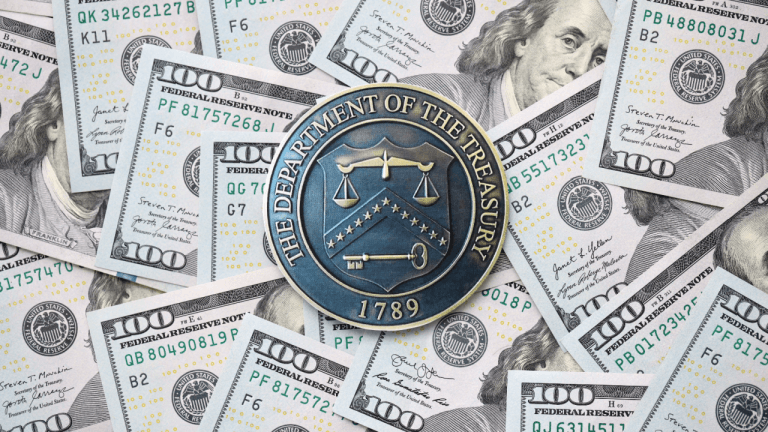
The United States' gross national debt has surged past $39 trillion, marking a critical inflection point for the global economy. As fiscal deficits expand, Bitcoin is increasingly viewed as the ultimate hedge against sovereign debt instability and fiat debasement.
With public debt projected to hit $56 trillion by 2036, Senator Cynthia Lummis is championing the BITCOIN Act to integrate digital assets into the Treasury's reserves. This legislative push highlights how the escalating US debt crisis is becoming the most compelling catalyst for Bitcoin adoption and institutional integration.
U.S. gross national debt crossed the $39 trillion threshold in mid-March, with debt held by the public standing at over $31 trillion. The outlook remains grim, as the Congressional Budget Office projects a $1.9 trillion deficit for fiscal year 2026, with public debt expected to climb to $56 trillion by 2036.
In response to this mounting fiscal pressure, Senator Cynthia Lummis is pitching the proposed BITCOIN Act. The legislation aims to authorize the Treasury to hold Bitcoin, leveraging the asset's scarcity to counter the long-term implications of the United States' expanding national debt.
This is a summarized and adapted version by Artificial Intelligence. To read the complete original story, visit the official source.
Read Full Article at Bitcoin.comSupport Jornal Bitcoin
Independent journalism, curated by AI, no clickbait. Keep the flame alive with any amount of BTC.
jonata@walletofsatoshi.comDaily Crypto Brief 📬
Subscribe to receive the curation of the most important Bitcoin and crypto news, summarized by AI. No spam.
Join more than 10,000 smart readers.
Related News
Polymarket Prices 99.8% Odds of BTC Surpassing $54K by July 15 Amid BIP-110 Controversy
However, this optimism is shadowed by the technical debate surrounding the controversial BIP-110 proposal. As the plan to restrict arbitrary Bitcoin data nears an early-August deadline and miner signaling remains near zero, the network faces a critical juncture regarding data availability and miner influence.

Bitcoin Defies Chaos: BTC Holds Steady as War-Driven Selloff Devastates Global Markets
This divergence highlights a growing trend where Bitcoin acts independently of traditional risk-off assets. As the global selloff hits conventional commodities and equities, Bitcoin's ability to maintain its price level suggests it is increasingly being viewed through a lens distinct from the immediate panic affecting legacy financial markets.

Market Alert: 4 Critical Factors Set to Shake Crypto Markets This Week
Understanding these macroeconomic shifts is vital for navigating the current landscape. As inflation metrics influence Federal Reserve policy expectations, the geopolitical instability in the Middle East adds a layer of risk that could either drive investors toward digital assets or spark a broader flight to safety, impacting Bitcoin and the wider crypto ecosystem.
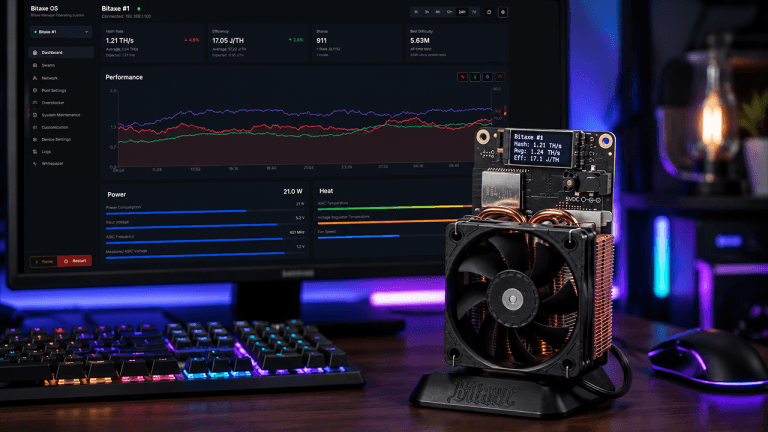
Bitcoin's $200,000 Jackpot: Solo Miner Hits Gold with a Tiny $150 Device
This massive win highlights the unpredictable nature of solo mining and the growing accessibility of specialized hardware. While the odds are astronomical, the success of this $150 device proves that even small-scale Bitcoin mining setups can occasionally disrupt the network and claim life-changing rewards.

Betting on a Surge: Polymarket Prices Bitcoin Odds at 99.95% to Top $54K by July 14
As traders brace for this potential breakout, the broader tech landscape shows significant capital movement. Understanding the correlation between crypto market sentiment and massive liquidity shifts in AI-driven sectors like CoreWeave is essential for navigating the current volatile market environment.

Bitcoin ETF Rebound: $197M Inflow Breaks 8-Week Outflow Streak
While the BlackRock iShares Bitcoin Trust spearheaded the recovery with $291.9 million in inflows, analysts warn against premature optimism. The end of the outflow streak suggests a potential recovery in institutional demand, yet seasonal trends in August and September, alongside stablecoin fluctuations, remain critical variables to watch.
