Uniswap Shake-up: Founder Proposes v4 Protocol Fees Across Multiple Networks

A major shift is coming to the DeFi landscape. Uniswap founder Hayden Adams has officially proposed expanding protocol fees across the upcoming Uniswap v4 and several network deployments, aiming to fortify the economic foundation of the industry's leading decentralized exchange.
By leveraging the modular capabilities of Uniswap v4, this proposal seeks to capture value more efficiently across diverse blockchain ecosystems. This strategic expansion could fundamentally alter how liquidity providers and governance participants interact with the protocol, setting a new standard for fee structures in the decentralized finance sector.
This is a summarized and adapted version by Artificial Intelligence. To read the complete original story, visit the official source.
Read Full Article at NewsBTCSupport Jornal Bitcoin
Independent journalism, curated by AI, no clickbait. Keep the flame alive with any amount of BTC.
jonata@walletofsatoshi.comDaily Crypto Brief 📬
Subscribe to receive the curation of the most important Bitcoin and crypto news, summarized by AI. No spam.
Join more than 10,000 smart readers.
Related News
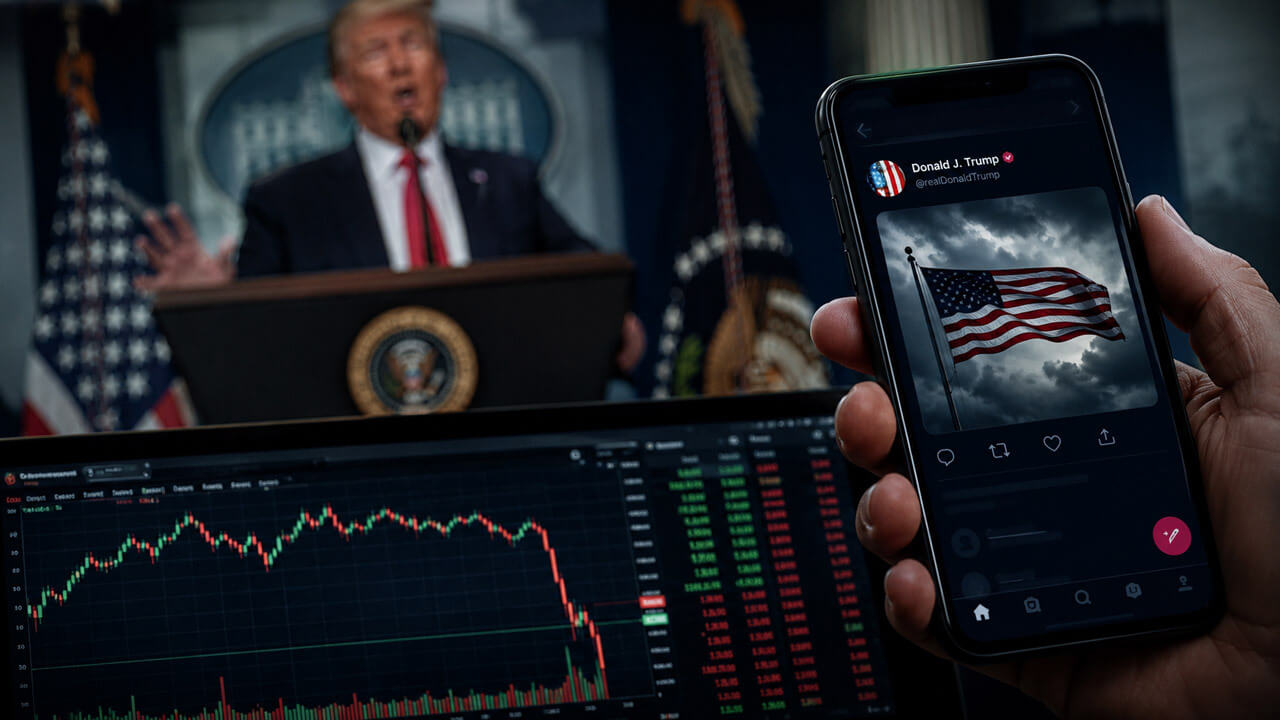
The Trump Feed: Trading Bots Are Outpacing Humans and Prediction Markets
This shift poses a significant threat to the stability of prediction markets and retail participation. As bots exploit the millisecond gap between a post going live and market reaction, the resulting volatility could leave prediction markets and manual traders struggling to keep up with an automated, lightning-fast sentiment cycle.
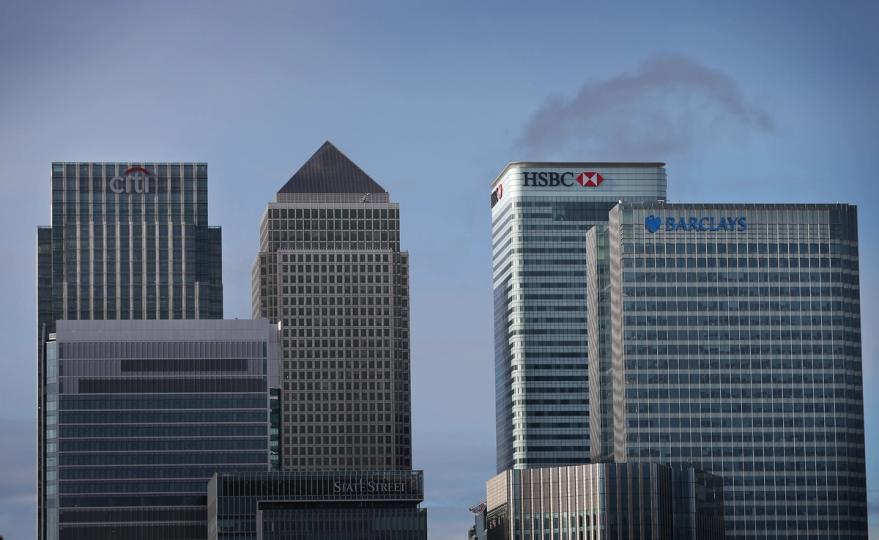
Wall Street's Big Bet: 84% of Financial Firms Now Prioritize Tokenization
This trend underscores a massive push toward hybrid markets, where digital and traditional assets coexist seamlessly. As Wall Street accelerates its tokenization efforts, the industry is bracing for a future defined by enhanced liquidity and the convergence of legacy systems with decentralized technology.

Geopolitical Clash: China Demands Protection for $1.6B Investment Following UK's British Steel Nationalization
This escalating tension highlights the growing risks surrounding foreign capital in strategic industries. The fallout from the British Steel nationalization could set a significant precedent for international trade relations, potentially chilling future cross-border investments between China and Western nations.

GCC Condemns Iranian Attacks on Bahrain, Kuwait, and Jordan, Citing War Crimes
As geopolitical tensions rise in the Middle East, the impact on digital asset markets remains a primary concern for institutional investors. The direct confrontation between Iran and Gulf states creates a high-risk environment, where sudden shifts in geopolitical stability often trigger massive liquidations and a flight to liquidity within the cryptocurrency ecosystem.

Middle East Escalation: Iran Strikes Saudi Arabia as Geopolitical Tensions Surge
Adding to the complexity, whispers of a potential US-Iran deal in 2026 involving Iran Reconstruction Funding are circulating. The interplay between active military conflict and long-term diplomatic restructuring creates a high-stakes environment for macro traders and digital asset investors alike.
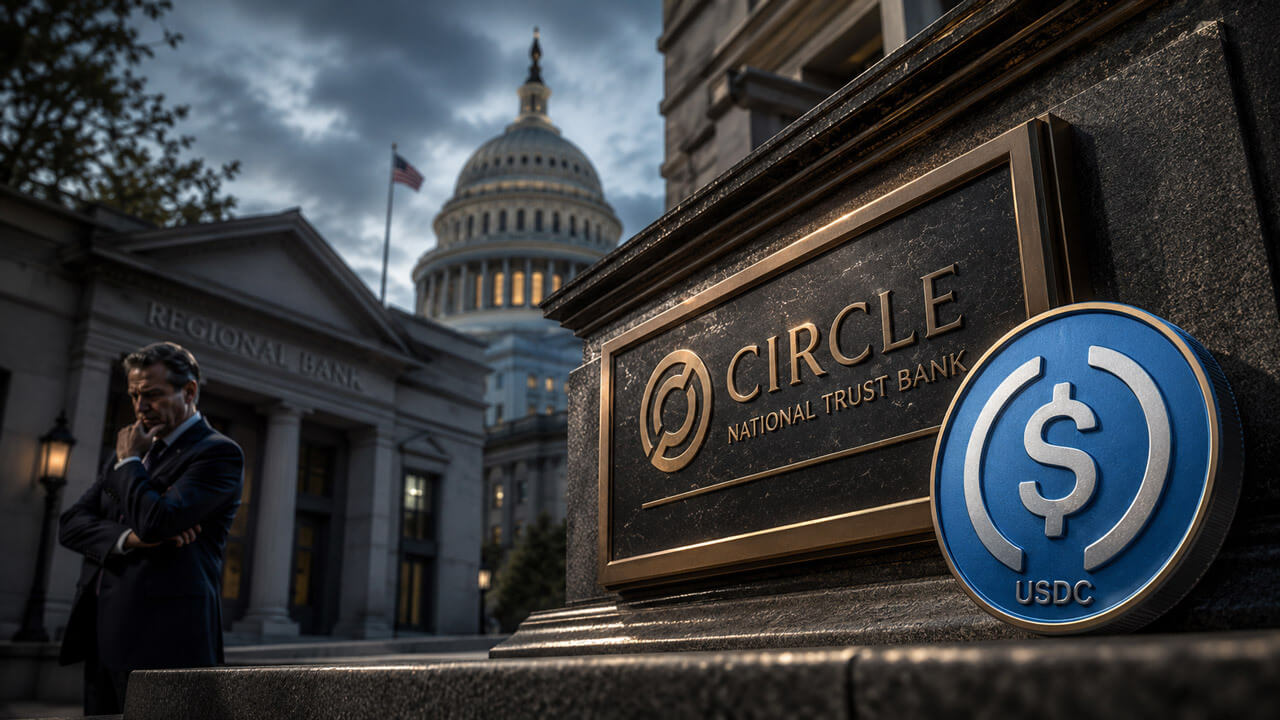
Circle Secures US Federal Bank Status Amid Warnings of $500 Billion Stablecoin Drain
Despite this regulatory victory, a shadow looms over the industry as lenders warn of a massive liquidity shift. Projections suggest that the rapid rise of stablecoins could drain as much as $500 billion from traditional banking systems, creating a tension between the growing legitimacy of digital currencies and the stability of conventional financial institutions.
