Privacy Revolution: Uniswap RFC Proposes Private Swaps via v4 Hooks and UniswapX

Uniswap is pushing the boundaries of decentralized finance with a new RFC exploring private swap execution. By leveraging the modular power of v4 Hooks and the streamlined UniswapX protocol, the proposal aims to shield user intent and minimize the footprint of malicious actors in the mempool.
This strategic move addresses the growing demand for privacy and MEV protection within the DeFi space. Integrating Uniswap v4 hooks with UniswapX could fundamentally change how liquidity is accessed, offering a more secure and discreet trading environment for all participants.
A new Request for Comments (RFC) from Uniswap is making waves in the DeFi community, proposing a method for private swap execution. The technical blueprint involves utilizing the highly customizable v4 Hooks alongside the UniswapX execution layer to facilitate trades that are shielded from public view during the initial stages of execution.
By obscuring trade details, Uniswap aims to combat the pervasive issue of MEV (Maximal Extractable Value), specifically front-running and sandwich attacks. This convergence of Uniswap v4's programmability and UniswapX's intent-based architecture marks a major milestone in the quest for a more professional and private decentralized exchange experience.
This is a summarized and adapted version by Artificial Intelligence. To read the complete original story, visit the official source.
Read Full Article at BitcoinistSupport Jornal Bitcoin
Independent journalism, curated by AI, no clickbait. Keep the flame alive with any amount of BTC.
jonata@walletofsatoshi.comDaily Crypto Brief 📬
Subscribe to receive the curation of the most important Bitcoin and crypto news, summarized by AI. No spam.
Join more than 10,000 smart readers.
Related News
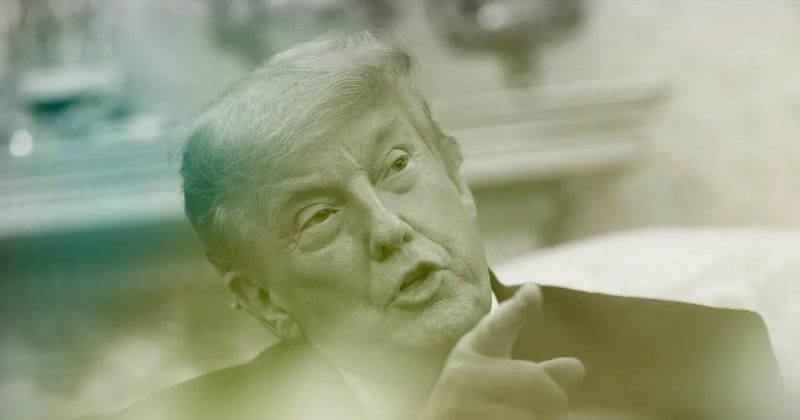
Trump Defies Supreme Court with New 15% Tariffs: Bitcoin Volatility Explodes
The crypto market felt the immediate impact of this news, as Bitcoin experienced a rapid surge followed by a sharp reversal. As investors navigate this new era of trade warfare, the volatility of Bitcoin remains a key indicator of how digital assets react to sudden shifts in US executive power and international trade regulations.

Liquidity Boost: Frax Community Explores Morpho Integration for bdUSD and frxUSD
By exploring this partnership, Frax seeks to deepen market depth and provide better capital efficiency for its users. The successful deployment of bdUSD and frxUSD within Morpho could significantly increase the utility and stability of these assets in the broader DeFi landscape.

EigenLayer Alert: ELIP-018 Proposal Introduces Irreversible Exit Route for Restakers
This move could fundamentally alter the liquidity dynamics and risk profiles within the restaking landscape. By enforcing an irreversible exit mechanism, EigenLayer aims to prevent cascading failures, but the decision raises significant concerns regarding capital flexibility and the long-term implications for restaker autonomy.

The $12B Survivors: 10 Altcoins Still Standing After a Brutal 97% Crash
Beyond the price action, the core concern shifts to network sustainability and economic viability. As these altcoins struggle to bridge the gap—requiring anywhere from 21x to over 300x growth—investors are scrutinizing whether user transaction fees are sufficient to fund the ongoing operations of these decentralized infrastructures.

Fidelity Joins Massive Push for Senate Passage of CLARITY Act
This legislative push, supported by industry heavyweights like Coinbase and the Blockchain Association, aims to establish a definitive market structure. By advocating for this digital asset legislation, these institutions are seeking the legal certainty required to integrate crypto more deeply into the traditional financial ecosystem.

Big Tech Triggers Massive US Corporate Bond Surge to Fuel AI Expansion
This unprecedented capital deployment is reshaping the landscape of US corporate bond sales at a record pace. As these tech giants secure massive liquidity, the integration of AI investments into traditional debt markets signals a fundamental shift in how global infrastructure and technological supremacy are financed.
