Uniswap Fee Switch Activation: UNI Token Burn Mechanics Back in Spotlight
Uniswap governance has activated the protocol fee switch on v4 liquidity pools, pushing protocol revenue higher and directing collected fees toward the UNI token. This strategic move refocuses attention on UNI burn mechanics and their potential impact on the DeFi ecosystem's tokenomics. The activation marks a significant inflection point for the Uniswap ecosystem, potentially increasing demand and intrinsic value of the UNI token. With higher protocol revenue, the team now has more resources for development and expansion, while token holders may benefit directly through burn mechanisms that reduce circulating supply and create scarcity.
This is a summarized and adapted version by Artificial Intelligence. To read the complete original story, visit the official source.
Read Full Article at NewsBTCSupport Jornal Bitcoin
Independent journalism, curated by AI, no clickbait. Keep the flame alive with any amount of BTC.
jonata@walletofsatoshi.comDaily Crypto Brief 📬
Subscribe to receive the curation of the most important Bitcoin and crypto news, summarized by AI. No spam.
Join more than 10,000 smart readers.
Related News

CLARITY Act Push Hits 1 Million With Just 7 Days Before Senate Recess
This massive advocacy initiative comes at a critical juncture for cryptocurrency regulation in the United States. With increasing regulatory scrutiny and the approaching recess, the CLARITY Act represents a crucial opportunity to establish clear legal frameworks for the crypto industry. The one-million-contact count demonstrates the growing political power of the crypto community and its determination to shape the future of digital regulation.

AI Music Giant Suno Loses German Copyright Battle: Must License Music for Training
The German case reflects a growing trend of creator protection in Europe, where music rights holders are increasingly assertive in safeguarding their content from unauthorized use by AI platforms. This decision could accelerate the creation of specific AI regulations within the European Union, directly impacting companies like Suno, Udio, and others that rely on vast musical datasets to train their algorithms, potentially increasing operational costs and fundamentally altering the business model of the generative music industry.
Ripio Game-Changer: Zero-Cost Stablecoins Hit Latin American Market
The integration with Celo's low-cost infrastructure enables real-world use cases for stablecoins, potentially accelerating mass adoption in countries with high inflation and limited banking access. By removing transaction barriers, Ripio is addressing a critical pain point for both retail and institutional users in one of the world's most promising crypto markets.
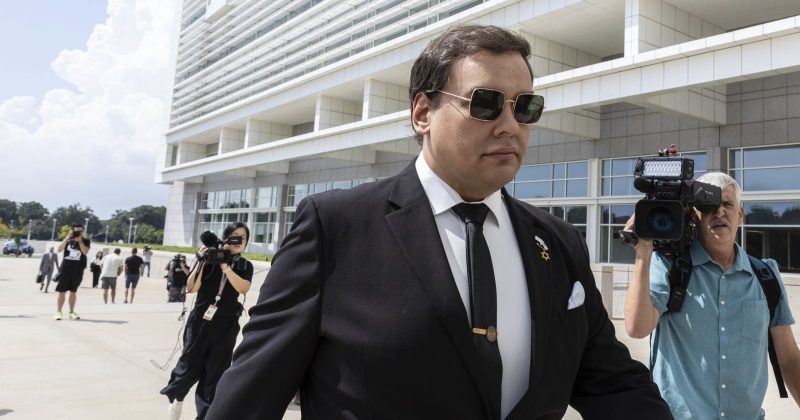
CFTC Slams George Santos with $35,000 Fine for Prediction Market Manipulation
The CFTC's action sends a clear message about regulatory oversight, even in ecosystems that traditionally operate with less government supervision. For investors and market operators, this development underscores the importance of understanding the regulatory implications of their activities, regardless of the platform used. As prediction markets gain popularity and become more integrated into the traditional financial ecosystem, regulation is expected to continue evolving, potentially resulting in increased oversight and compliance for sector participants.
XRP Holds Strong Above $1.04 As Whale Activity Cools On Binance

ENS Labs Backs Down on Treasury Control After Delegate Revolt
This development represents a pivotal moment for the ENS ecosystem, highlighting the growing influence of delegates in DeFi project governance. The reversal demonstrates the community's power in shaping protocol futures, while the debate between decentralization and operational efficiency continues to be central to DAO evolution. The case sets a significant precedent for other projects facing similar governance dilemmas.
