Geopolitical Flashpoint: Trump Threatens Iran's Power Grid as Tehran Vows Retaliation
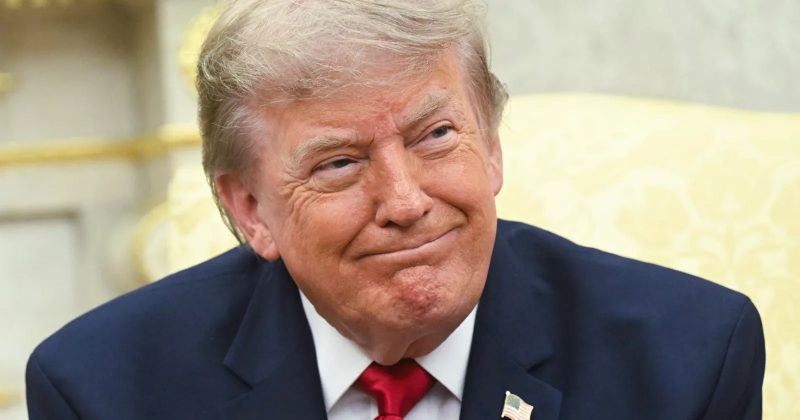
Global stability is on edge as Donald Trump issues a direct threat against Iran's critical power grid infrastructure. This aggressive stance has triggered an immediate vow of retaliation from Tehran, significantly increasing the risk of regional escalation and market volatility.
Amidst the rising tensions, reports suggest a complex diplomatic backdrop involving a potential US-Iran reconstruction funding deal slated for 2026. As the threat of conflict looms, investors are closely monitoring how this geopolitical instability will influence global energy security and the broader crypto market.
Tensions between the United States and Iran have reached a boiling point following threats from Donald Trump to target the Iranian power grid. Tehran has responded swiftly, vowing a heavy retaliation against any strike on its national infrastructure.
Amidst the diplomatic friction, details have emerged regarding a potential US-Iran deal involving reconstruction funding projected for 2026, currently seeing a 28% support rate. The global community remains on high alert as this confrontation threatens to disrupt international energy stability and financial markets.
This is a summarized and adapted version by Artificial Intelligence. To read the complete original story, visit the official source.
Read Full Article at Crypto BriefingSupport Jornal Bitcoin
Independent journalism, curated by AI, no clickbait. Keep the flame alive with any amount of BTC.
jonata@walletofsatoshi.comDaily Crypto Brief 📬
Subscribe to receive the curation of the most important Bitcoin and crypto news, summarized by AI. No spam.
Join more than 10,000 smart readers.
Related News

US Crackdown: $130M Crypto Wallet Linked to Iran’s Revolutionary Guard Frozen
As the crackdown intensifies, the broader geopolitical landscape remains volatile. Market analysts are closely watching the intersection of crypto regulation and international diplomacy, especially with speculation regarding a potential final nuclear deal that could emerge by August 13, 2026, potentially shifting the global economic paradigm.
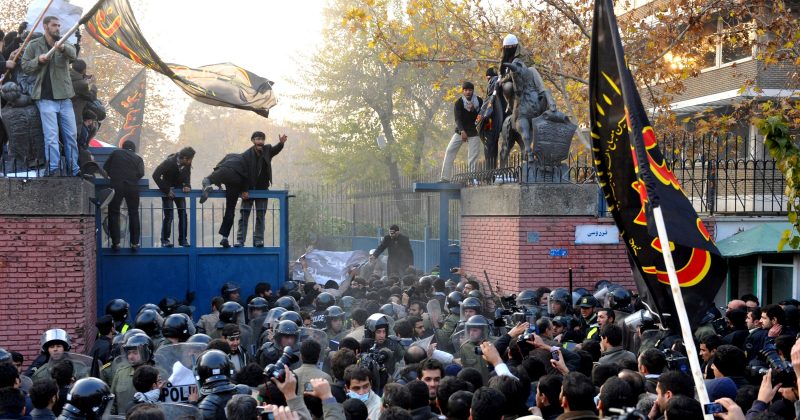
Geopolitical Crisis: UK Evacuates Personnel from Iran Amid Escalating Threats
Speculation regarding potential military action by a European nation by August 31 has added fuel to the fire, creating a sense of imminent confrontation. As these tensions mount, the global community remains on edge, watching for signs of military intervention that could reshape regional security and market sentiment.

Middle East Escalation: Iranian Strikes Hit US Military Sites, Fueling Global Conflict Fears
As the conflict intensifies, the ripple effects are expected to hit global markets, potentially driving volatility in traditional finance and the crypto market. Investors are closely watching for signs of further military action that could trigger a broader systemic crisis.
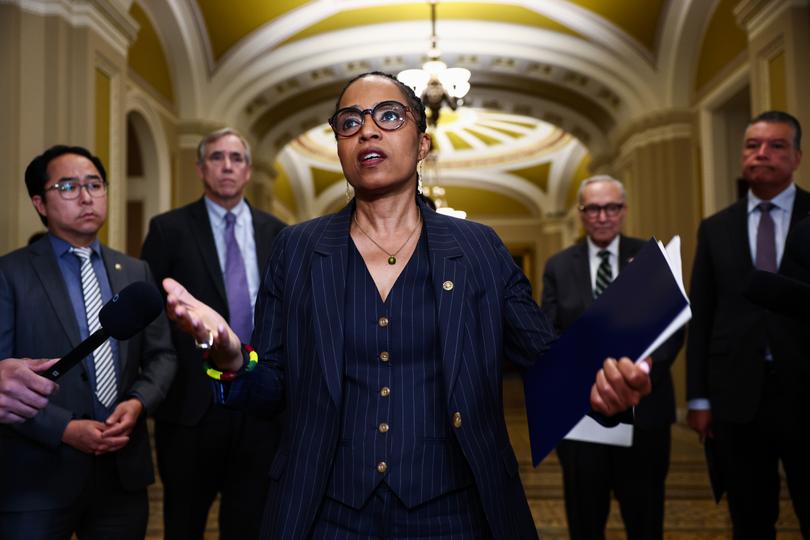
Political Deadlock: Key Democrats Slam Crypto Clarity Act Over Ethical Gaps
This friction underscores the ongoing struggle to establish a unified regulatory framework for the digital asset industry. Without addressing these ethical loopholes, the bill faces a difficult path to passage, potentially delaying much-needed legal certainty for the global crypto ecosystem and blockchain innovators.
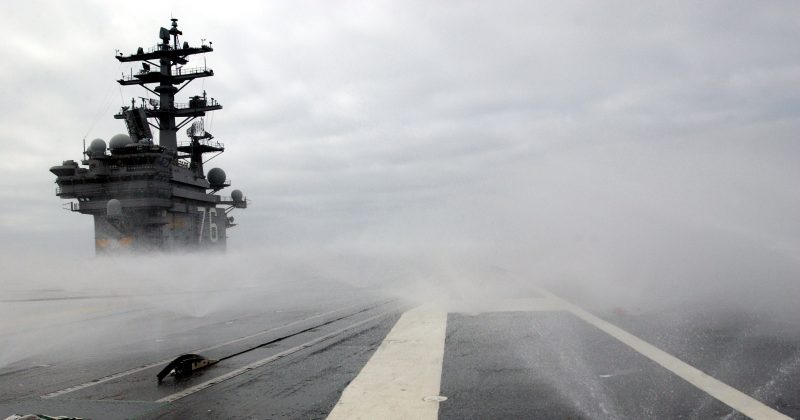
Middle East Alert: US Boosts Military Presence Amid Rising Iran Invasion Fears
Market analysts are closely monitoring the situation, noting a 28.5% probability of an invasion of Iran occurring before 2027. As geopolitical instability rises, the potential for sudden market shifts makes this a critical development for those tracking the intersection of global conflict and financial volatility.
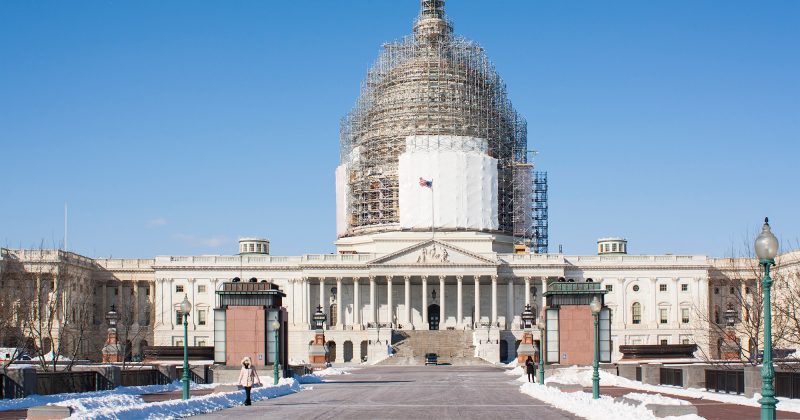
US House Passes $95B Budget: Massive Military Pivot Toward Iran Conflict and Trump Agenda
Beyond immediate defense, the budget hints at long-term geopolitical restructuring, including discussions on reconstruction funding for a potential US-Iran deal by 2026. As these fiscal decisions unfold, the intersection of high-stakes diplomacy and massive government spending is set to drive significant global market volatility and geopolitical shifts.
