Trump Targets Brazil's Payment Systems as Dollar-Linked Stablecoins Surge
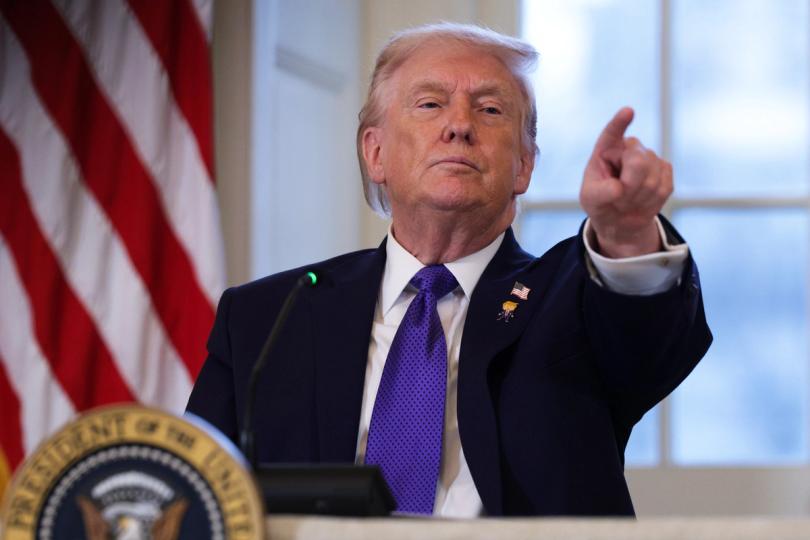
Washington is raising alarms over Brazil's push for non-dollar payment channels, viewing the rise of Pix and stablecoins as a strategic challenge to US dollar hegemony. The Trump administration's stance suggests that the shift toward alternative payment infrastructures could undermine traditional dollar-based global trade.
Despite these geopolitical tensions, the digital asset landscape in Brazil tells a different story. Dollar-linked stablecoins currently account for nearly 90% of all crypto transactions in the country, creating a complex dynamic where US-pegged assets are driving the very innovation that Washington views as a threat to its monetary dominance.
Washington is closely monitoring Brazil's evolving financial landscape. The United States views the promotion of non-dollar payment channels—specifically the Pix system and the rapid expansion of stablecoins—as a potential threat to the global dominance of dollar-based trade. The core concern is the potential erosion of the dollar's role in international settlements.
Yet, a massive irony exists within the data: while Washington eyes these developments with suspicion, dollar-linked stablecoins already comprise approximately 90% of Brazil's crypto transaction volume. This creates a unique tension where the tools of digital finance are simultaneously reinforcing and challenging the traditional financial order in one of the world's largest emerging markets.
This is a summarized and adapted version by Artificial Intelligence. To read the complete original story, visit the official source.
Read Full Article at CoinDeskSupport Jornal Bitcoin
Independent journalism, curated by AI, no clickbait. Keep the flame alive with any amount of BTC.
jonata@walletofsatoshi.comDaily Crypto Brief 📬
Subscribe to receive the curation of the most important Bitcoin and crypto news, summarized by AI. No spam.
Join more than 10,000 smart readers.
Related News
Privacy Revolution: Symbiosis Debuts Private USDT Swaps on TRON Network
By enabling these private USDT swaps, Symbiosis is adding a complex new layer to the ongoing stablecoin privacy debate. As users seek more control over their financial footprint, this integration on TRON positions Symbiosis as a key player in the evolution of privacy-preserving DeFi protocols.

Stablecoin Shakeup: $12 Billion Vanishes in 2 Months as Tether Remains Unfazed
While the broader stablecoin market sheds billions, Tether continues to show remarkable resilience, refusing to flinch amidst the sector-wide exodus. This divergence highlights a critical shift in market dynamics, where investors are pulling liquidity from various stablecoin assets while Tether maintains its dominant stronghold.

Banking is Obsolete? Crypto Leaders Predict a Future Without Traditional Accounts
This shift is already manifesting through massive crypto adoption in emerging markets. Data from Binance indicates that younger users are the primary drivers of this transition, pushing the global economy toward a decentralized future where traditional financial institutions are no longer the gatekeepers.
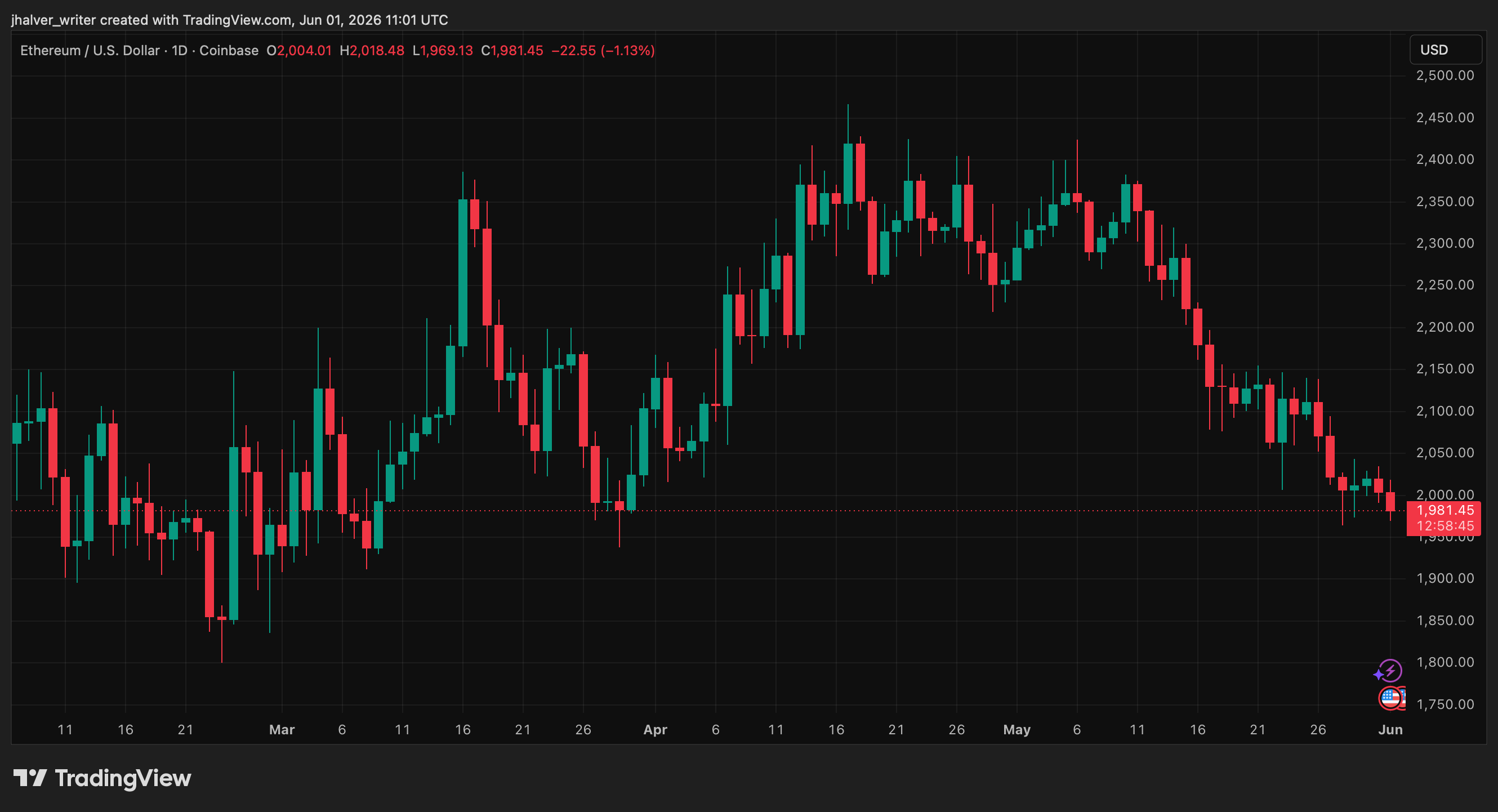
US Sanctions Freeze $131M in Iranian Central Bank Stablecoins on TRON Network
This crackdown underscores the increasing tension between blockchain anonymity and regulatory oversight. As authorities tighten their grip on digital assets, the ability of state-linked actors to utilize stablecoins for cross-border transfers is being severely challenged, setting a precedent for future enforcement actions against illicit crypto flows.
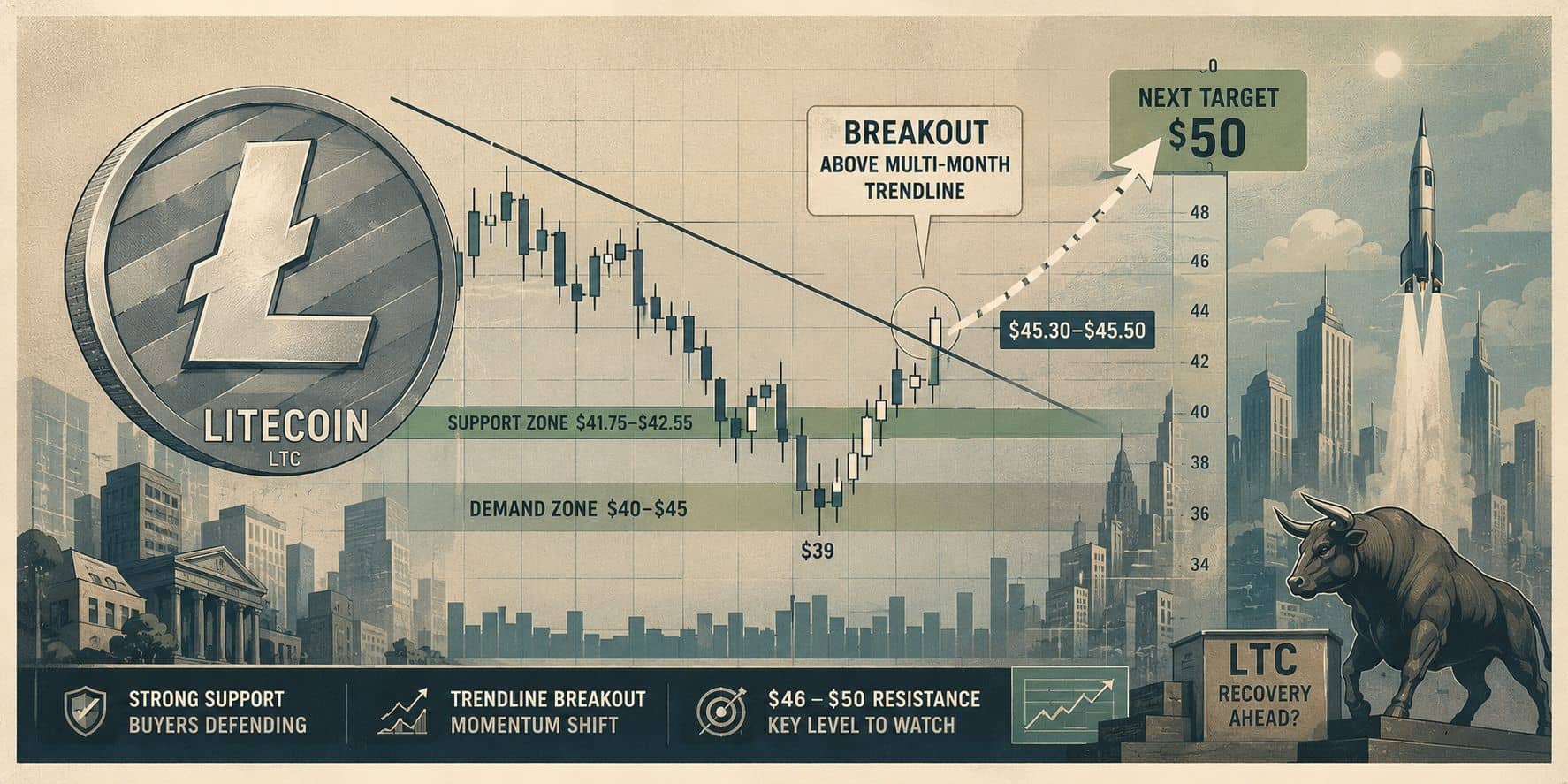
Litecoin (LTC) Breaks Multi-Month Trendline: Is a $50 Rally Imminent?
Traders are now closely monitoring the critical resistance zone between $46 and $50. If LTC maintains its momentum above these levels, the $50 target will move back into focus, potentially marking a major turning point for the cryptocurrency's price action.

Institutional Floodgates? Chainlink Executive Claims CLARITY Act Is the Key to Crypto Adoption
By establishing clear rules of engagement, the act aims to eliminate the ambiguity that currently keeps major financial players on the sidelines. This shift could fundamentally reshape the landscape for on-chain data and institutional crypto integration worldwide.
