Trump Sets 24-Day Deadline: Senate Under Pressure to Pass Crypto CLARITY Act
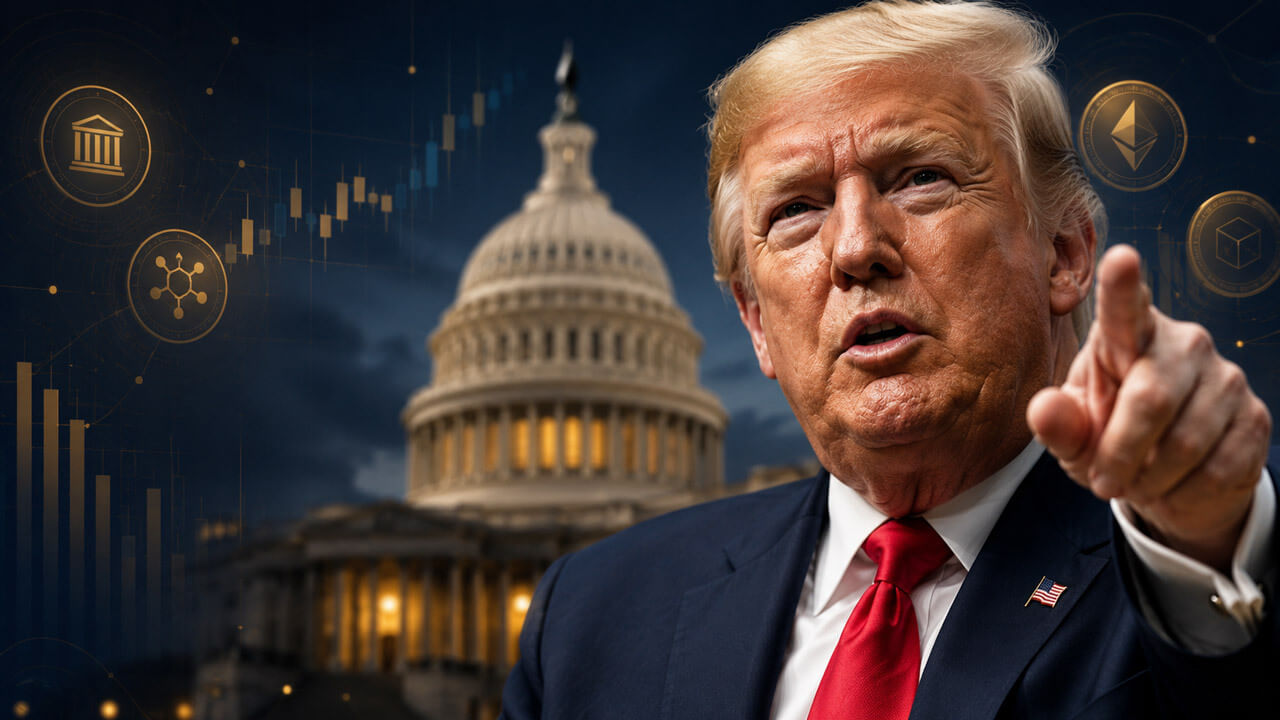
The White House is ramping up pressure on the Senate, imposing a strict 24-day countdown to secure the 60 votes required for the CLARITY Act. This legislative sprint aims to finalize a comprehensive crypto rulebook before the August recess, marking a high-stakes attempt to stabilize the digital asset landscape through definitive regulation.
By framing the CLARITY Act as a critical component of the geopolitical race against China, Trump is linking crypto regulation directly to national security and technological supremacy in AI. The outcome of this vote will determine whether the United States can establish a dominant regulatory framework to lead the global competition in cryptocurrency and artificial intelligence.
The White House is increasing pressure on the Senate to pass the CLARITY Act before lawmakers leave Washington for their August recess. On July 13, President Donald Trump urged the US Congress to approve the legislation, casting the measure as a vital instrument in the United States’ strategic competition with China over cryptocurrency and artificial intelligence. With only 24 days remaining, the Senate faces a daunting task to find the 60 votes needed to clear this landmark crypto rulebook.
This is a summarized and adapted version by Artificial Intelligence. To read the complete original story, visit the official source.
Read Full Article at CryptoSlateSupport Jornal Bitcoin
Independent journalism, curated by AI, no clickbait. Keep the flame alive with any amount of BTC.
jonata@walletofsatoshi.comDaily Crypto Brief 📬
Subscribe to receive the curation of the most important Bitcoin and crypto news, summarized by AI. No spam.
Join more than 10,000 smart readers.
Related News

US Labor Market Slowdown: ADP Miss Sparks Speculation on Crypto Rally
As the labor market loses steam, the narrative for monetary easing gains momentum. A potential pivot by the Fed to lower interest rates could provide a massive tailwind for non-yielding assets, potentially driving a significant surge in the cryptocurrency market.

Saylor's Pivot: MicroStrategy Hoards Cash as Bitcoin Market Chops
This strategic pause coincides with heightened macroeconomic tension, as rising oil prices and anticipation surrounding the upcoming CPI print create a volatile backdrop. Investors are closely monitoring whether this liquidity buildup is a tactical move to prepare for a dip or a response to shifting global economic indicators.

Interpol Crackdown Uncovers Massive $122M Crypto Wallet Linked to Global Romance Scams
Beyond the massive seizure, the operation resulted in thousands of arrests, signaling a major crackdown on cybercrime and illicit crypto movements. This development highlights the intensifying battle between international law enforcement and bad actors using cryptocurrency to facilitate large-scale financial fraud and money laundering.

Japan's Payment Giant JCB Partners with Circle to Deploy USDC for 40 Million Merchants
As Japan ramps up its efforts to integrate digital assets into everyday commerce, this collaboration aims to bridge the gap between traditional retail and blockchain technology. By leveraging USDC, JCB is positioning itself at the forefront of a massive shift toward more efficient, stable, and globalized payment solutions for millions of businesses.

Oil Price Surge: Trump's Threats on Strait of Hormuz Trigger Market Chaos
As uncertainty surrounds the global oil supply and pricing, the broader economic implications are profound. Investors are bracing for potential supply chain disruptions, which could fuel inflation and force a shift in asset allocation across both traditional commodities and the crypto market as traders seek safe havens.

Bitcoin Volatility Alert: 90-Minute Fed Shock Looms as CPI and Warsh Testimony Collide
Market analysts expect the headline CPI to cool to approximately 3.8% year-over-year, down from May's 4.2%. While this projected deceleration offers a potential tailwind for Bitcoin, the market remains hypersensitive to any deviation from these forecasts, as the Federal Reserve's next moves depend heavily on these inflation metrics.
