‘Don’t Let China Win’: Trump Urges Senate to Fast-Track Clarity Act
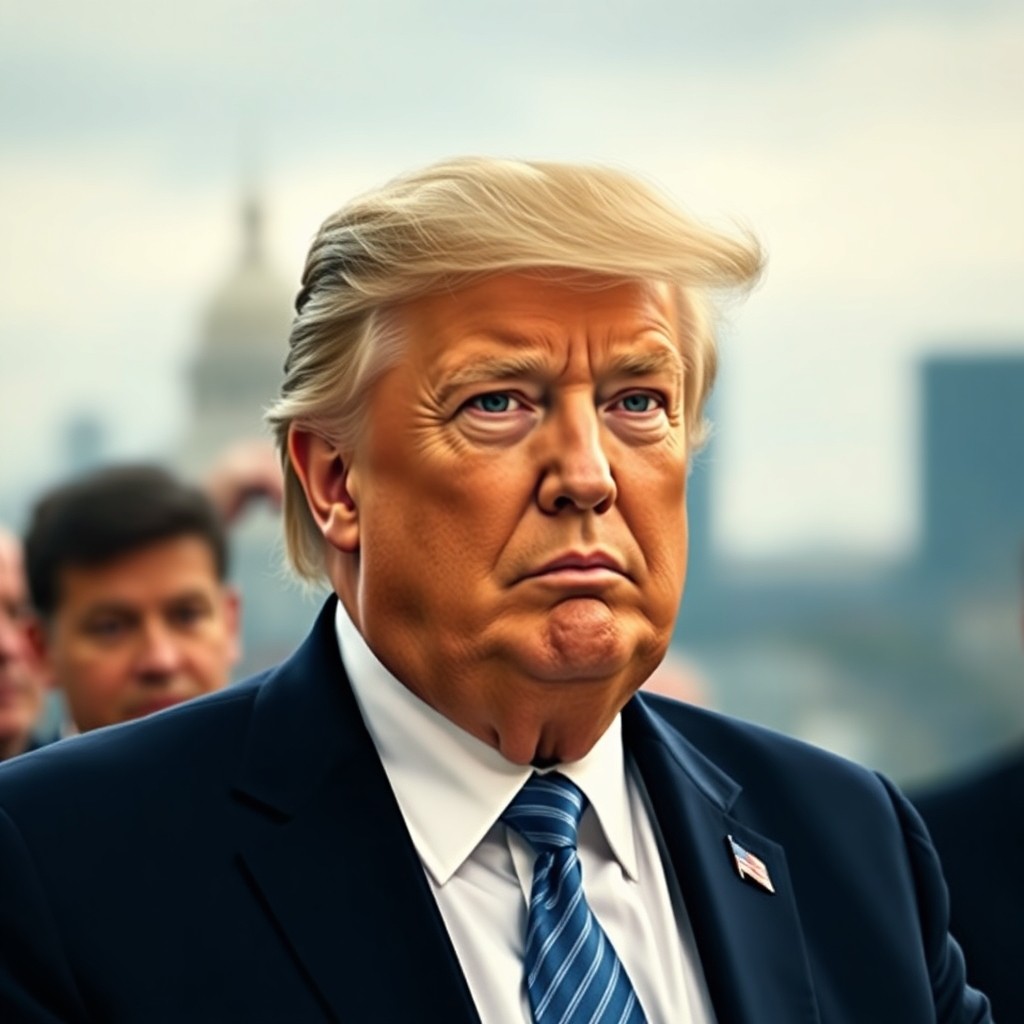
Donald Trump has issued a high-stakes directive to the U.S. Senate, urging the immediate passage of the Clarity Act before the upcoming August recess. Highlighting a narrowing legislative window, Trump’s rhetoric emphasizes the necessity of establishing a robust regulatory framework to prevent global competitors from seizing dominance in the digital asset space.
This push for the Clarity Act is framed as a critical defense against Chinese influence in the global financial landscape. By securing legislative certainty, proponents aim to solidify American leadership in blockchain technology and ensure that the United States remains the primary hub for crypto innovation and institutional adoption.
“Don’t Let China Win”: President Trump is pressing the Senate to pass the Clarity Act before the August recess as lawmakers face a narrowing window and unresolved political hurdles. The move is designed to ensure that the United States does not cede its technological edge to foreign adversaries.
The urgency surrounding the Clarity Act underscores the geopolitical battle for control over the future of finance. As the Senate navigates complex political obstacles, the push for regulatory clarity remains a pivotal factor in determining whether the U.S. can outpace China in the rapidly evolving cryptocurrency market.
This is a summarized and adapted version by Artificial Intelligence. To read the complete original story, visit the official source.
Read Full Article at Bitcoin MagazineSupport Jornal Bitcoin
Independent journalism, curated by AI, no clickbait. Keep the flame alive with any amount of BTC.
jonata@walletofsatoshi.comDaily Crypto Brief 📬
Subscribe to receive the curation of the most important Bitcoin and crypto news, summarized by AI. No spam.
Join more than 10,000 smart readers.
Related News

Beyond Exchanges: Why Prop Firms are Becoming the New Standard for Crypto Traders in 2026
As we approach 2026, these proprietary trading firms are being ranked alongside major exchanges as essential infrastructure. This evolution reflects a sophisticated demand for better capital management, forcing traders to learn how to identify the best prop firms to maintain a competitive edge in the digital asset market.

Explosions on Iran’s Kish Island: Escalating Conflict Could Trigger Regime Change
The fallout from these explosions may significantly increase the likelihood of a regime change in Iran before 2027. As geopolitical tensions rise, the ripple effects are expected to impact global markets, potentially driving investors toward decentralized assets as a hedge against systemic volatility.

The Future of Finance: Blockchain.RIO Unveils 13 Content Tracks to Shape Latin America's Digital Infrastructure
By focusing on the deep-seated shifts in digital finance, the event aims to bridge the gap between emerging technologies and institutional adoption. This gathering is a critical milestone for stakeholders looking to grasp how blockchain technology is reshaping the regional economy and setting new global standards for financial systems.
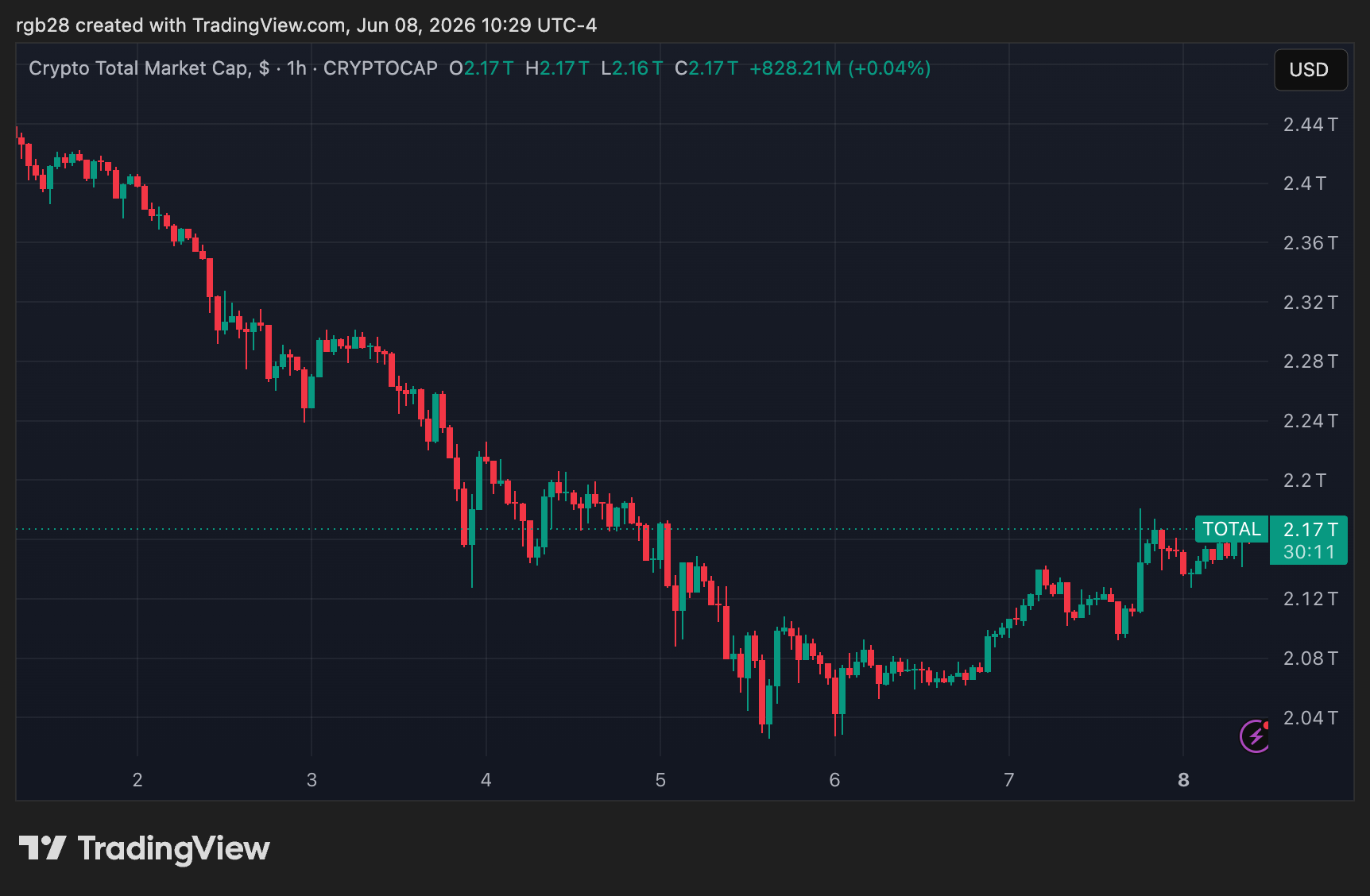
Washington's Clock: The CLARITY Act Debate and the High-Stakes Crypto Lobby Battle
This delay creates a critical window of uncertainty for the entire digital asset ecosystem. As lawmakers navigate their busy agendas, the industry remains on edge, waiting to see if the CLARITY Act will provide the much-needed regulatory framework or if political inertia will continue to stall crypto policy progress.
New Hampshire Doubles Down on Crypto: 'Blockchain Basic Laws' Officially Signed
Following recent discussions regarding Bitcoin reserves, this move signals a proactive approach to securing decentralized infrastructure. By specifically safeguarding mining and staking operations, the state is building a competitive moat to attract blockchain developers and institutional liquidity.
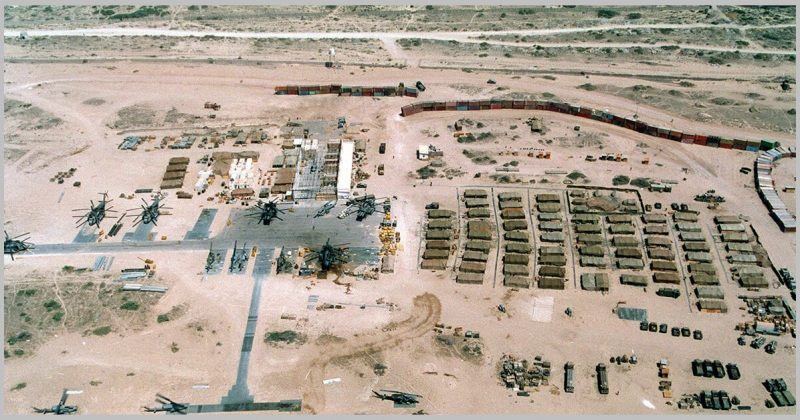
War Escalation: Iran Targets US Military in Kuwait with Drones and Cruise Missiles
Beyond the immediate tactical strikes, this escalation risks destabilizing the entire region and causing massive shocks to global oil markets. As the U.S. and its allies prepare for potential military responses, the ripple effects could trigger unprecedented volatility across international energy sectors and global financial stability.
