Hormuz Crisis: Trump and Netanyahu Weigh Ceasefire vs. Military Strike
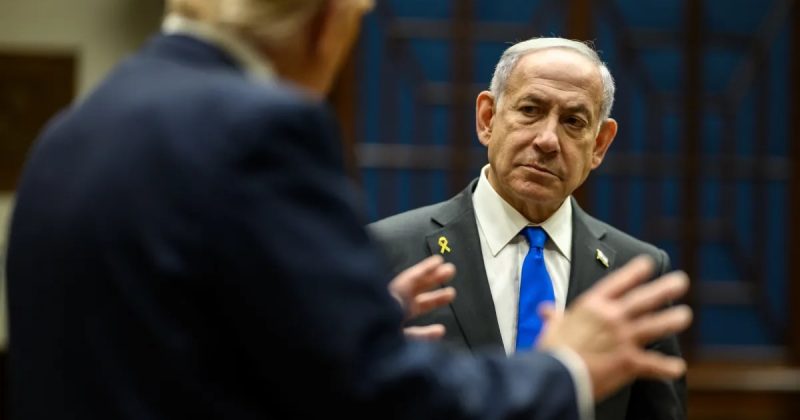
Global markets are on edge as Donald Trump and Benjamin Netanyahu weigh critical options to resolve the escalating Hormuz crisis. The leadership is currently debating a strategic 10-day ceasefire to prevent immediate escalation, though the threat of decisive military action remains a potent factor in their decision-making process.
Sentiment analysis shows a strong leaning toward diplomatic stability, with an 81% probability that a ceasefire could extend through July 25. The tension between Trump and Netanyahu's strategic choices will likely dictate the next phase of geopolitical volatility and its subsequent ripple effects across global financial markets.
Donald Trump and Benjamin Netanyahu are considering two divergent paths to manage the Hormuz crisis: a 10-day ceasefire or direct military intervention. Current projections suggest a high likelihood of a temporary reprieve, with 81% of indicators pointing toward a ceasefire lasting until July 25. As the situation evolves, the choice between de-escalation and military force remains the primary driver of global geopolitical uncertainty.
This is a summarized and adapted version by Artificial Intelligence. To read the complete original story, visit the official source.
Read Full Article at Crypto BriefingSupport Jornal Bitcoin
Independent journalism, curated by AI, no clickbait. Keep the flame alive with any amount of BTC.
jonata@walletofsatoshi.comDaily Crypto Brief 📬
Subscribe to receive the curation of the most important Bitcoin and crypto news, summarized by AI. No spam.
Join more than 10,000 smart readers.
Related News

Extreme Certainty: Polymarket Predicts 99.85% Chance Israel-Iran Ceasefire Holds
Despite this overwhelming confidence, new political headwinds are emerging on the horizon. Reports suggest the Netherlands is preparing to ban products from Israeli settlements starting September 22, a move that could introduce fresh diplomatic friction and potentially disrupt the stability currently being priced into the markets.
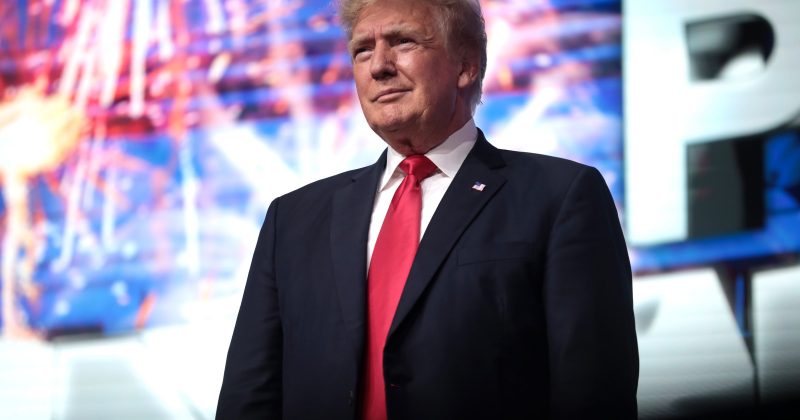
Trump Yields on Ethics Provision, Paving the Way for CLARITY Act Senate Vote
The CLARITY Act represents a pivotal moment for the industry, building on the momentum of its 2026 legislative history where it secured a 43% approval rate. As the Senate prepares for the vote, the focus shifts to how these new ethics standards will shape the future of crypto compliance and institutional adoption.
Crypto Breakthrough: Trump's Ethics Deal Could Trigger Vote on Landmark Clarity Act
This development is a critical milestone for institutional adoption, as the Clarity Act aims to establish clear guidelines to prevent conflicts of interest and provide a robust regulatory framework. The passage of this law could solidify the United States' position as the leading global hub for blockchain innovation and cryptocurrency growth.
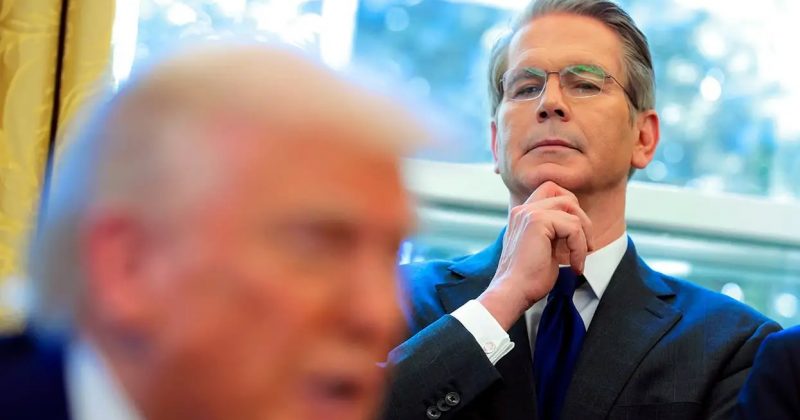
Tech War Escalates: US Threatens China Sanctions Over AI Model Theft
The fallout from these potential sanctions could have profound implications for both the AI sector and the broader crypto market. As the battle for technological supremacy intensifies, the intersection of cybersecurity, AI development, and digital assets is expected to face unprecedented regulatory and economic pressure.

Bitcoin Surges Past $66,000 Amid US-Iran Tensions: A Massive Test Lies Ahead
While the immediate breakout shows technical strength, the market is bracing for an even more significant test of its current levels. The interplay between institutional ETF demand and the reduction of available supply on major exchanges suggests a tightening market, yet investors must remain cautious as geopolitical volatility threatens to trigger sudden shifts in price action.

Clarity Odds Surge: Crypto Regulation Probability Jumps to 43% Amid Trump Ethics Rumors
Despite the momentum, the market remains in a state of 'wait and see' as no official bill text has surfaced and the reports remain unconfirmed. The impact of this volatility highlights how sensitive crypto market sentiment is to political developments and the potential for sudden regulatory clarity in the United States.
