Geopolitical Shockwave: Trump Weighs War with Iran, Sending Bitcoin into a Tailspin
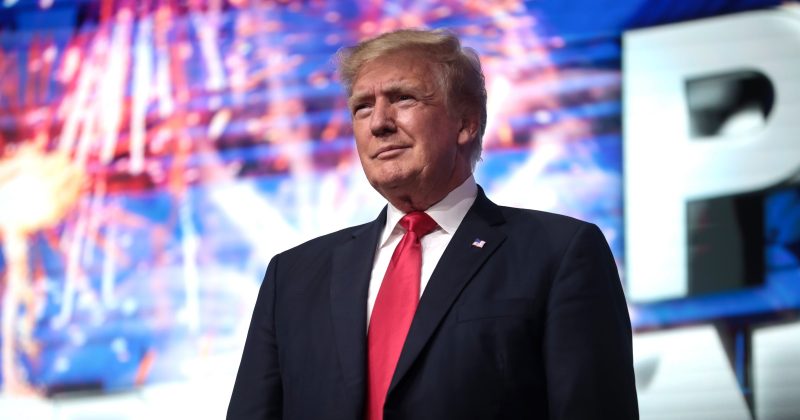
The crypto market is facing a massive liquidity shock as reports emerge that Donald Trump is considering resuming full-scale military operations against Iran. This sudden geopolitical escalation has rattled Bitcoin prices, triggering a sell-off as investors flee to safer assets amidst the rising uncertainty.
Beyond the immediate price action, the threat of conflict is driving crypto sanctions into overdrive, specifically targeting Iranian-linked exchanges such as Nobitex. This tightening of regulatory pressure highlights the growing intersection between global warfare and the digital asset landscape.
Donald Trump is reportedly considering the resumption of a full-scale war with Iran, a move that has sent Bitcoin prices tumbling and pushed crypto sanctions into overdrive. The potential for conflict has introduced significant volatility into the market. Furthermore, international pressure is mounting against Iranian exchanges, including Nobitex, as authorities intensify sanctions within the crypto ecosystem to curb regional influence.
This is a summarized and adapted version by Artificial Intelligence. To read the complete original story, visit the official source.
Read Full Article at Crypto BriefingSupport Jornal Bitcoin
Independent journalism, curated by AI, no clickbait. Keep the flame alive with any amount of BTC.
jonata@walletofsatoshi.comDaily Crypto Brief 📬
Subscribe to receive the curation of the most important Bitcoin and crypto news, summarized by AI. No spam.
Join more than 10,000 smart readers.
Related News
Chip Shortage Crisis: Top Democrat Blasts Trump Administration, Warning of Crypto Fallout
Beyond consumer electronics, the fallout from this semiconductor crisis carries significant implications for the crypto industry. As hardware availability fluctuates, the mining sector and decentralized infrastructure face increased operational risks and cost volatility, making chip policy a vital metric for digital asset stability.
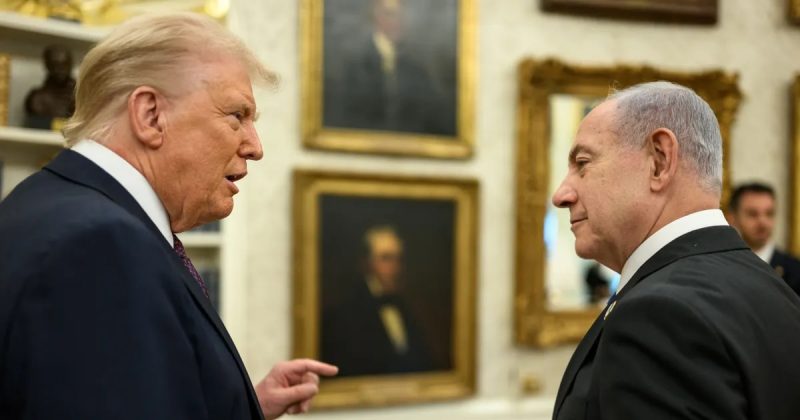
Geopolitical Shockwave: Netanyahu’s Iran Intelligence Briefing to Trump Threatens Crypto Stability
Following Bitcoin's recent struggles where it dipped between $63K and $70K amid June tensions, traders are bracing for impact. The intersection of Middle East instability and US political shifts creates a high-risk environment for digital assets, forcing investors to prepare for sudden market shifts.

Caspian Sea Escalation: Ukrainian Drone Strike Kills Sailor on Iran-Linked Vessel
The consequences of this strike extend far beyond the immediate casualty, posing significant threats to energy market stability and the crypto market. As geopolitical conflicts escalate, the potential for increased volatility in digital assets and traditional energy commodities remains a critical concern for global investors.
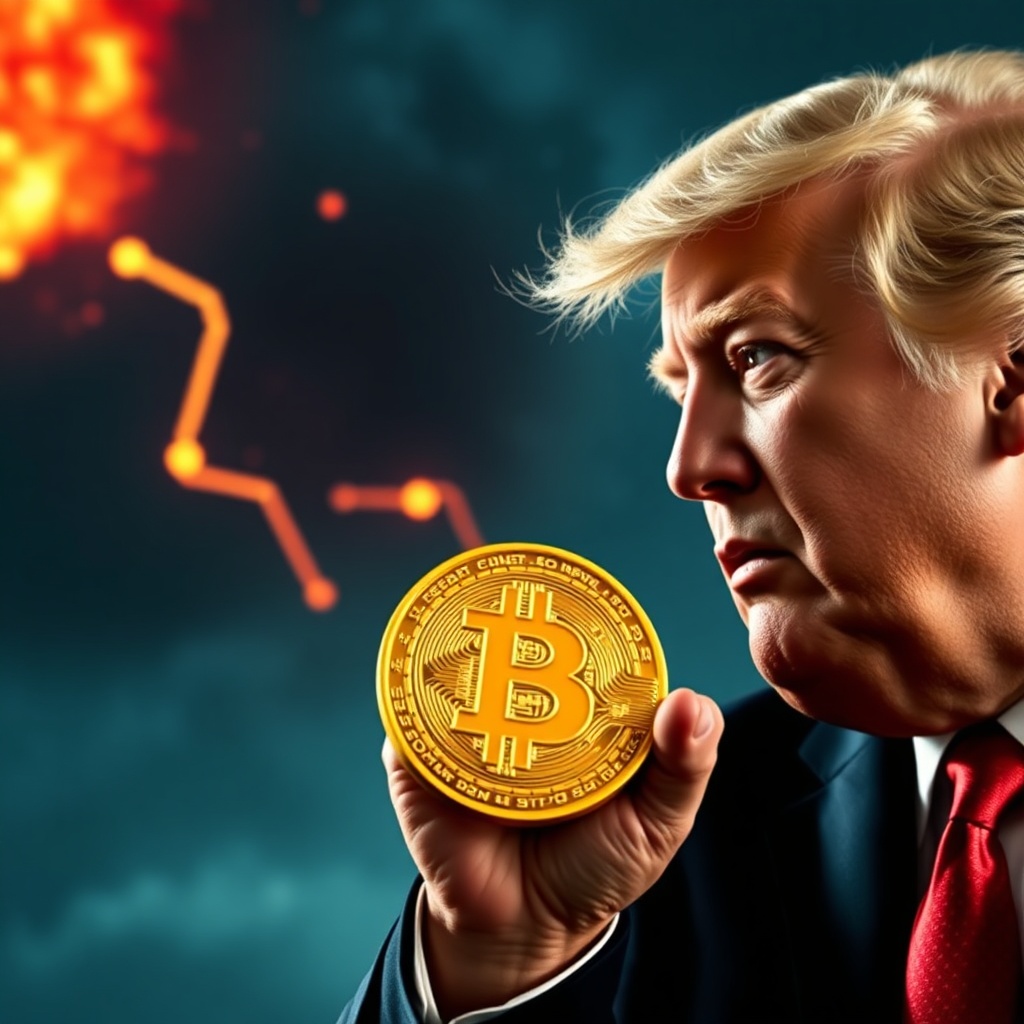
Trump Reportedly Halts Iran Attacks: How Will BTC React to the Geopolitical Shift?
While BTC has seen a marginal uptick following the news, historical data suggests that the most significant volatility often occurs during Monday morning trading sessions. Investors are now bracing for potential price swings as the market digests whether this de-escalation will trigger a bullish breakout or a period of consolidation.
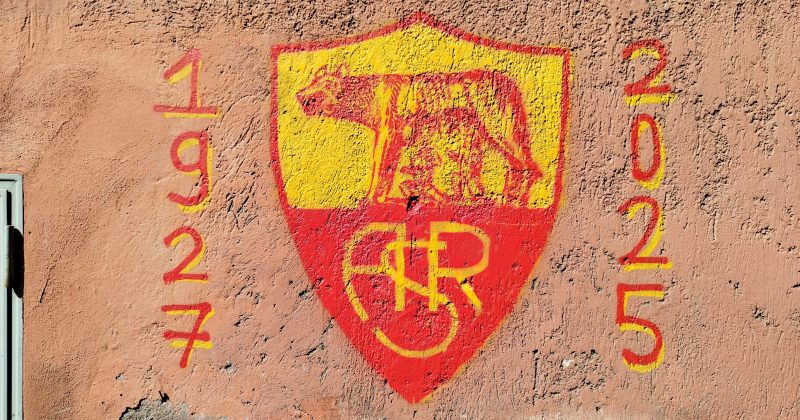
AS Roma's Santiago Castro Pursuit Could Trigger Fan Token Market Volatility
The pursuit of Castro is expected to ripple through the fan token markets, potentially driving increased engagement and speculative interest in ASR tokens. As the club strengthens its squad, the intersection of football transfers and crypto-asset demand highlights the growing influence of fan tokens in the modern sports landscape.
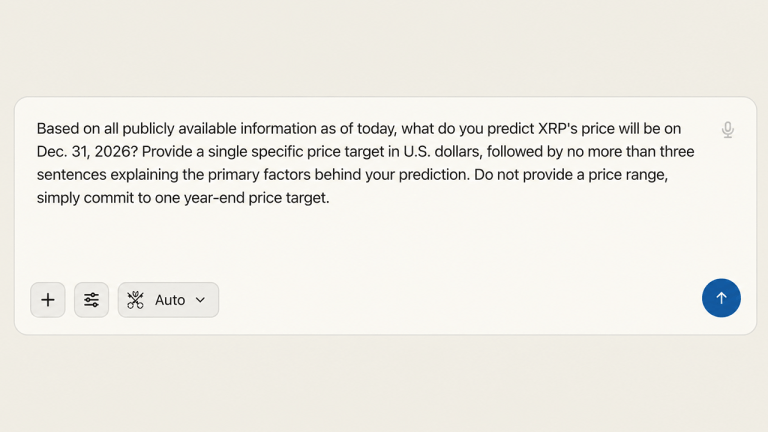
$1.32 to $3.75: Nine Top AI Models Predict XRP’s 2026 Finish, One Breaks Away
This predictive intelligence comes at a critical juncture of institutional adoption and evolving regulatory frameworks. As investors weigh bullish and bearish arguments, the convergence of artificial intelligence and digital asset analysis is becoming the primary tool for navigating the volatility expected in the XRP ecosystem through 2026.
