Trump Slaps 15% Tariff on Chinese Polysilicon, Escalating Global Trade War
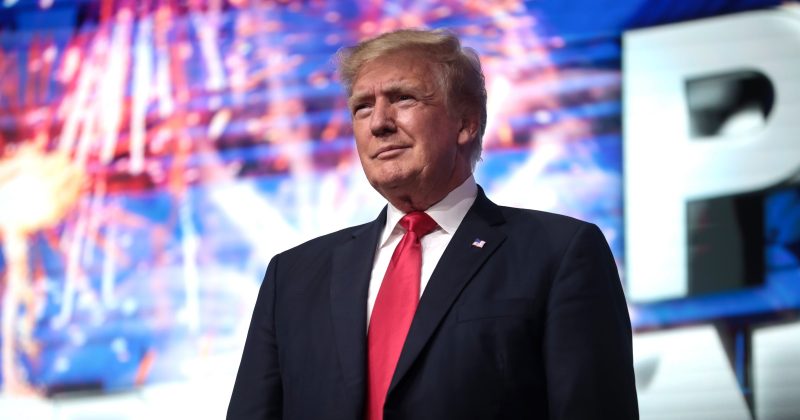
The Trump administration has just imposed a 15% tariff on polysilicon imports from China, a move set to escalate trade tensions between the world's two largest economies. This decision directly impacts global supply chains and carries significant consequences for the solar energy and cryptocurrency sectors, both of which rely on this essential material for producing solar panels and mining chips.
The imposition of this tariff comes at a time of increasing technological and economic competition between the US and China, with polysilicon being a strategic component for both nations. Analysts warn that this measure could trigger a chain reaction, with potential Chinese retaliation affecting other sectors, including cryptocurrency. The market has already reacted with volatility, reflecting investor concerns about the impact of this new round of global trade tensions.
Government sources indicate that this decision was motivated by concerns about Chinese state subsidies and what are considered unfair trade practices. However, experts warn that this measure could lead to a spiral of retaliation, with China possibly responding with its own tariffs on American products. The solar energy sector and the cryptocurrency market, both dependent on polysilicon, are bracing for potential cost increases and supply chain disruptions, which could affect product prices and availability in the short term.
This is a summarized and adapted version by Artificial Intelligence. To read the complete original story, visit the official source.
Read Full Article at Crypto BriefingSupport Jornal Bitcoin
Independent journalism, curated by AI, no clickbait. Keep the flame alive with any amount of BTC.
jonata@walletofsatoshi.comDaily Crypto Brief 📬
Subscribe to receive the curation of the most important Bitcoin and crypto news, summarized by AI. No spam.
Join more than 10,000 smart readers.
Related News

Putin Signs Landmark Crypto Law, Reshaping Global Finance
Trump Signals US Readiness for Action in Iran Amid 2026 Conflict
US and UK Unveil Game-Changing Digital Asset Plan to Revolutionize Global Finance
This plan marks a significant milestone in regulatory collaboration between the world's two largest economies, aiming to reduce cross-border frictions and create a more efficient and innovative financial ecosystem. The strategy not only seeks to integrate new regulatory frameworks but also positions the US and UK as global leaders in the responsible adoption of digital financial technologies, potentially accelerating innovation while maintaining system stability.

Oil Prices Slip as Iran-Oman Talks Boost Hopes for US-Iran Peace Deal
The possibility of a peace deal between the United States and Iran by 2026 represents a significant turning point for global geopolitics and financial markets. Investors are closely monitoring developments, as a normalization of relations could impact not only oil prices but also the cryptocurrency market, which has historically reacted to geopolitical uncertainties. The reduction of economic sanctions could open new investment opportunities and influence the global energy dynamic, with potential long-term consequences for the cryptocurrency sector.

Fed's Daly: Labor Market Not Driving Inflation Pressures
This Fed perspective on labor markets and inflation carries substantial consequences for Bitcoin and other digital assets, as traditional monetary policy is intrinsically linked to cryptocurrency market performance. Crypto investors and analysts are closely watching Fed signals, as any shift in rate policy could influence capital flows into or out of the crypto sector, affecting prices and volatility across the digital asset landscape.