Trump Demands Nations Pay US for Strait of Hormuz Defense: A Geopolitical Shift?
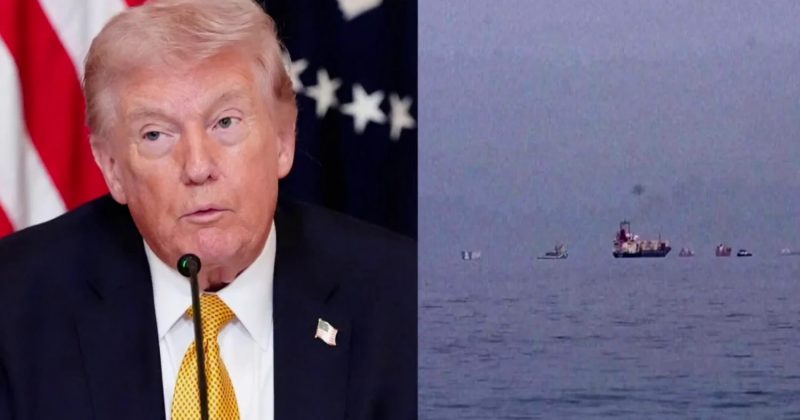
Donald Trump has issued a high-stakes geopolitical demand, insisting that nations pay the United States for military protection in the Strait of Hormuz. This aggressive stance signals a pivot toward a transactional foreign policy, potentially transforming maritime security into a paid service and challenging the traditional foundations of international defense.
This demand for payment threatens to strain long-standing alliances and force a massive shift in global military cost-sharing. The resulting geopolitical instability could disrupt critical trade routes and create significant ripple effects across global markets, including increased volatility in the crypto and commodity sectors.
This is a summarized and adapted version by Artificial Intelligence. To read the complete original story, visit the official source.
Read Full Article at Crypto BriefingSupport Jornal Bitcoin
Independent journalism, curated by AI, no clickbait. Keep the flame alive with any amount of BTC.
jonata@walletofsatoshi.comDaily Crypto Brief 📬
Subscribe to receive the curation of the most important Bitcoin and crypto news, summarized by AI. No spam.
Join more than 10,000 smart readers.
Related News

Geopolitical Shockwave: Trump Reinstates Iran Blockade and Demands Payment for Hormuz Protection
This escalation threatens to disrupt global oil markets and severely complicates any potential diplomatic resolutions. As tensions rise, the ripple effects on energy prices and international trade stability could trigger significant volatility across both traditional and digital asset markets.
Trump invokes Senator's death to fast-track landmark crypto legislation
The political landscape has shifted significantly, with the Republican majority in the Senate shrinking to a razor-thin 51-47 following Graham's death and the hospitalization of another senator. This weakened position means passing the crypto market structure bill may now require bipartisan cooperation, all within a narrow four-week legislative window before the August recess.
Energy Shock: Russia's Oil Output Plummets to 2.5-Year Low Amid Drone Strikes
The decline in Russia's oil output is expected to tighten global supply significantly, potentially driving oil prices higher in the near term. As geopolitical tensions escalate, the resulting impact on international energy markets could reshape commodity trading patterns and influence broader macroeconomic stability.

Is the Bitcoin Sell-Off Over? Why Profit Margins Are Drying Up for Sellers
Despite the geopolitical noise surrounding the U.S.-Iran escalation, Bitcoin is showing remarkable resilience. This stability is being bolstered by renewed spot ETF inflows, which are absorbing supply and providing a strong fundamental floor for the cryptocurrency's current price action.
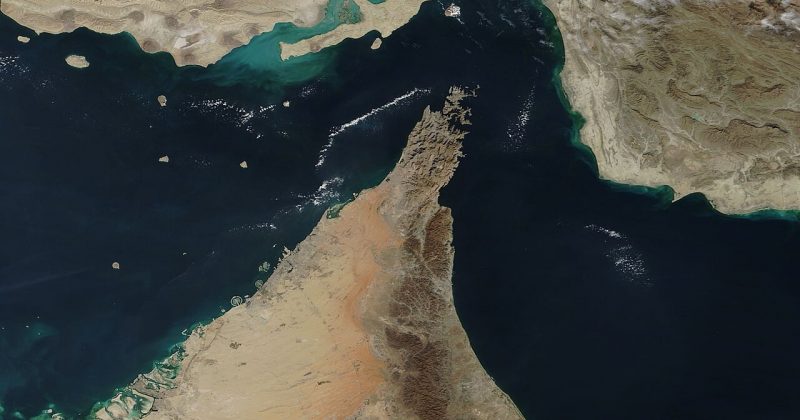
Geopolitical Alert: US Naval Blockade in Strait of Hormuz Delayed, Fueling Market Uncertainty
As geopolitical tensions continue to simmer, the potential for sudden escalation remains a primary concern for risk management. The impact on energy markets and broader economic stability could be profound, as the world waits to see if the blockade will proceed and disrupt one of the world's most vital maritime chokepoints.
Trump Escalates CLARITY Act Push to Stop China from Seizing Crypto Dominance
The stakes extend beyond digital assets, as the push for the CLARITY Act is deeply intertwined with the global race for artificial intelligence supremacy. This geopolitical maneuver signals that the battle for crypto dominance is now a central pillar of the broader struggle for technological and economic hegemony between the U.S. and China.
