Trump Targets Brazil's Payment Systems as Dollar-Linked Stablecoins Surge
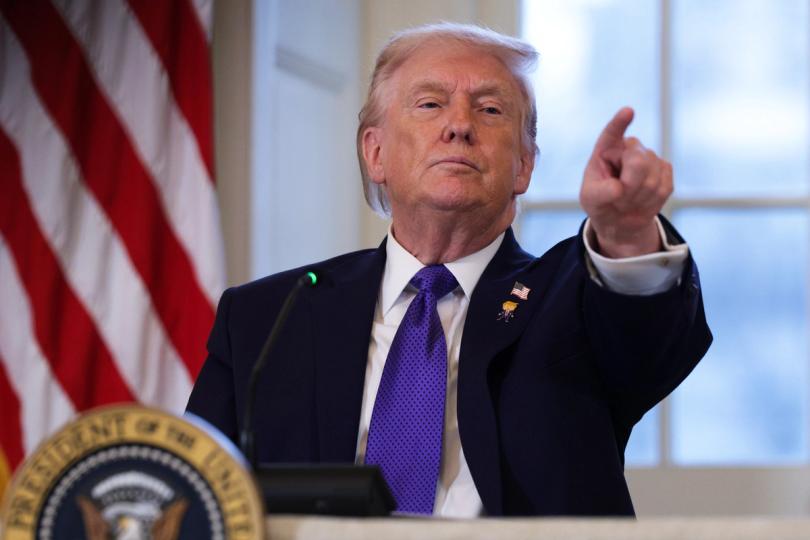
Washington is raising alarms over Brazil's push for non-dollar payment channels, viewing the rise of Pix and stablecoins as a strategic challenge to US dollar hegemony. The Trump administration's stance suggests that the shift toward alternative payment infrastructures could undermine traditional dollar-based global trade.
Despite these geopolitical tensions, the digital asset landscape in Brazil tells a different story. Dollar-linked stablecoins currently account for nearly 90% of all crypto transactions in the country, creating a complex dynamic where US-pegged assets are driving the very innovation that Washington views as a threat to its monetary dominance.
Washington is closely monitoring Brazil's evolving financial landscape. The United States views the promotion of non-dollar payment channels—specifically the Pix system and the rapid expansion of stablecoins—as a potential threat to the global dominance of dollar-based trade. The core concern is the potential erosion of the dollar's role in international settlements.
Yet, a massive irony exists within the data: while Washington eyes these developments with suspicion, dollar-linked stablecoins already comprise approximately 90% of Brazil's crypto transaction volume. This creates a unique tension where the tools of digital finance are simultaneously reinforcing and challenging the traditional financial order in one of the world's largest emerging markets.
This is a summarized and adapted version by Artificial Intelligence. To read the complete original story, visit the official source.
Read Full Article at CoinDeskSupport Jornal Bitcoin
Independent journalism, curated by AI, no clickbait. Keep the flame alive with any amount of BTC.
jonata@walletofsatoshi.comDaily Crypto Brief 📬
Subscribe to receive the curation of the most important Bitcoin and crypto news, summarized by AI. No spam.
Join more than 10,000 smart readers.
Related News
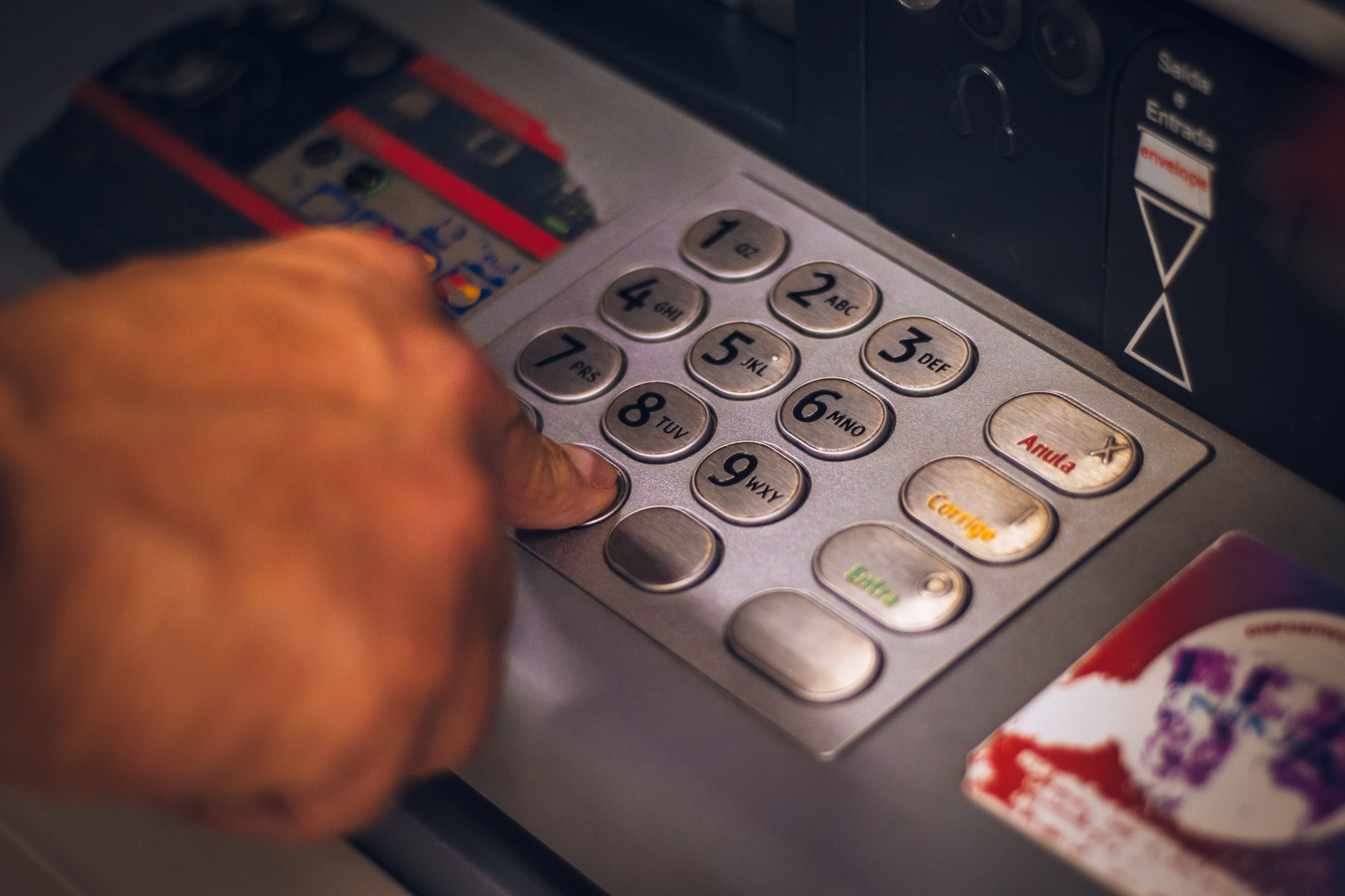
Trade War Alert: US Targets Brazil Over Pix Success as Dollar Stablecoins Dominate Payments
Despite these protectionist measures, the data is clear: roughly US$ 8 billion in dollar-pegged stablecoins are already circulating monthly in Brazil via blockchain technology. This massive influx of stablecoins highlights a growing disconnect between traditional state-led trade policies and the unstoppable momentum of global digital asset adoption.

Declan Rice’s World Cup Goal Ignites Surge in Sports-Linked Crypto Tokens
As the hype builds, market analysts are watching the direct correlation between athletic milestones and the valuation of Panini NFTs and athlete meme coins. This intersection of global sports glory and blockchain technology is creating a unique speculative window for crypto enthusiasts.
Market Giant: Foxbit Controls 41% of Brazil's Digital Dollar and Pivots to Financial Infrastructure
By rebranding Foxbit Business to Foxbit Infra, the company is launching a comprehensive financial infrastructure designed specifically for banks and fintechs. This strategic pivot aims to provide the essential backbone for institutional players looking to integrate digital assets and stablecoins into the traditional financial landscape.
Geopolitical Escalation: Iran Claims Attack on US Base in Jordan, Killing Two Service Members
With the odds of military action against Iran now climbing to 57%, the global landscape faces heightened uncertainty. This escalation in Middle East conflict serves as a critical driver for market volatility, potentially triggering shifts in investor sentiment across both traditional and crypto asset classes.
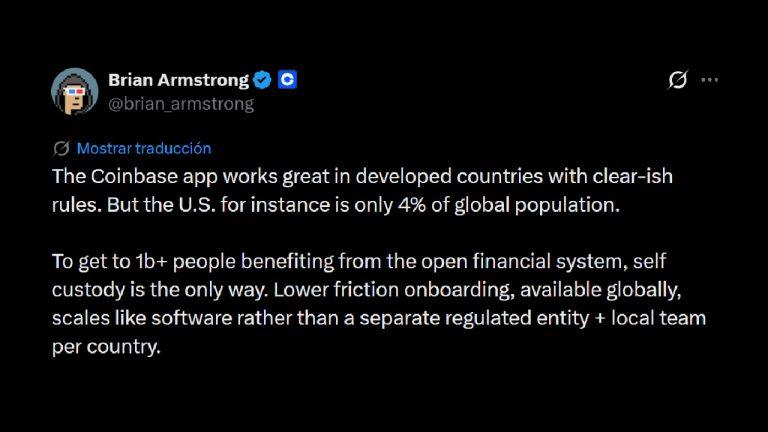
‘The Only Way’: Coinbase CEO Brian Armstrong Claims Self-Custody is Key to 1 Billion Users
Looking ahead, Armstrong identified 'agentic adoption' as a critical growth frontier that will rely heavily on self-custody frameworks. By streamlining market entry and ensuring user sovereignty, self-custody acts as the bridge between current niche usage and a future of global, decentralized financial integration.
Polymarket Bets 99.95% on BTC Staying Above $52K Despite Geopolitical Storms
However, the landscape is shifting as shipping risks in the Strait of Hormuz threaten global stability. With equity and oil markets closed for the weekend, thin liquidity could turn Bitcoin into the primary battleground for price swings, making it the first asset class to react to escalating geopolitical tensions.
